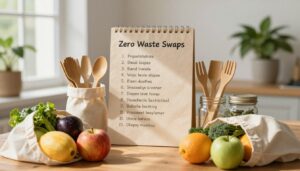

Did you know the average American family throws away nearly $3,000 worth of groceries each year? This huge financial loss hurts your wallet and the planet. Learning how to reduce food waste at home is a simple way to save money.
Small shifts in your daily kitchen routine can make a big difference. By focusing on reducing wasted food at home, you change your shopping and cooking habits. You’ll find that being a mindful consumer stretches your budget like never before.
This guide offers practical tips for better planning and creative use of leftovers. You can easily reduce your environmental impact while enjoying fresher, tastier meals. Let’s begin your journey to a more efficient and sustainable kitchen today.
Key Takeaways
- The average family loses $3,000 annually due to discarded groceries.
- Smart meal planning prevents unnecessary purchases and saves money.
- Repurposing leftovers turns possible trash into tasty new dishes.
- Conscious consumption lowers your overall household expenses significantly.
- Small habit changes lead to a smaller ecological footprint for your family.
Understanding the Impact of Food Waste
Learning about the hidden effects of food waste is key to a greener kitchen. When you see how your actions impact the planet, you’re more likely to use food waste prevention tips. Making small changes can make a big difference for your home and the planet.
The Environmental Consequences of Discarded Food
Many don’t know that food waste is the biggest part of landfill waste. When food rots in landfills, it releases methane. This gas traps heat more than carbon dioxide, contributing to global warming.
By using strategies for reducing food waste, you reduce landfill needs. Saving food lowers your carbon footprint. Every item you save saves water and energy used in production.
The Financial Burden of Wasted Groceries
Food waste also hurts your wallet. Families in the U.S. lose $1,365 to $2,275 yearly. This money could fund better experiences, savings, or quality food.
Tracking your spending shows you’re paying for uneaten food. Using food waste prevention tips keeps more money in your pocket. The table below shows how different waste types affect your wallet.
| Waste Category | Primary Cause | Estimated Annual Impact |
|---|---|---|
| Fresh Produce | Improper Storage | $600 – $900 |
| Prepared Meals | Over-portioning | $400 – $700 |
| Dairy and Meat | Expiration Confusion | $365 – $675 |
Using smart strategies for reducing food waste is more than saving money. It’s about being mindful of resources and your impact. By managing your kitchen, you turn a financial loss into a green habit.
How to Reduce Food Waste at Home Through Smart Planning
Reducing food waste starts before you go to the store. By managing your home better, you can save money and help the planet. Learning how to reduce food waste at home is easy with good organization.
Conducting a Kitchen Inventory Audit
Before shopping, know what’s in your kitchen. Reducing food waste in the kitchen starts with checking your supplies. Look for forgotten cans, half-used jars, and produce that’s about to go bad.
Group similar items to see what you have a lot of. This stops you from buying things you already have. You’ll be amazed at the meals you can make with what you already have.
Creating a Realistic Weekly Meal Plan
After checking your supplies, plan your meals for the week. Use up perishable items like greens and berries first. This strategic planning helps you eat food at its best.
Plan meals based on your schedule. If you’re busy on Tuesday, have a quick meal or use leftovers. This keeps your plan realistic and avoids wasted ingredients.
Building a Grocery List Based on What You Have
Good strategies for reducing food waste mean a careful shopping list. Only add items that fit your meal plans. Don’t buy too much unless you can use it all before it spoils.
Use a digital app or a simple notepad to stay on track. Sticking to your list avoids impulse buys that often go to waste. The table below shows how smart planning helps your kitchen.
| Planning Habit | Impact on Waste | Financial Benefit |
|---|---|---|
| Inventory Audit | High Reduction | Saves Money |
| Weekly Meal Plan | Prevents Spoilage | Lower Grocery Bill |
| Targeted List | Eliminates Impulse Buys | Optimized Budget |
Mastering Grocery Shopping Strategies
Changing how you shop is a key food waste prevention tip today. By improving your store approach, you control what comes home and stays fresh. These simple steps help reduce wasted food at home and save money.
Avoiding Impulse Buys at the Store
Sticking to your list is the best way to avoid waste. Without a plan, you might buy things you don’t need. Impulse purchases often lead to forgotten food and expired items.
Before checking out, check your cart. Make sure each item fits your meal plan. This habit helps cut down on food waste and keeps your money safe.
Buying Only What You Can Consume
Buying in bulk might seem smart, but it’s not always. If you can’t use it before it spoils, you’re wasting money. Buy what you can eat in a week.
Think about how long items last before buying. A big bag of spinach? Use it quickly. Smart shopping means choosing quality over quantity.
The Benefits of Shopping More Frequently
Shopping more often can help you manage your food better. Instead of one big trip, try smaller visits. This way, you get fresh ingredients as you need them, reducing waste.
| Strategy | Primary Benefit | Waste Impact |
|---|---|---|
| Weekly Bulk Shopping | Saves time | High risk of spoilage |
| Frequent Small Trips | Fresher ingredients | Low risk of spoilage |
| Strict List Adherence | Budget control | Minimal impulse waste |
By using these food waste prevention tips, you make your shopping better. Small changes lead to big savings and a cleaner home.
Proper Storage Techniques to Extend Shelf Life
Learning how to store food properly is key to minimizing food waste at home. It helps your groceries stay fresh longer. By taking good care of your ingredients, you avoid throwing away spoiled food. This simple change can make your groceries last longer.
Storing Fruits and Vegetables Correctly
Not all fruits and veggies like the same conditions. For example, fruits like apples and bananas shouldn’t be near leafy greens. This prevents them from getting too wet and wilting too fast.
Use bags or containers that let air in for your veggies. Keeping them organized helps your kitchen run smoothly. It’s a smart way to reduce food waste.
Using Airtight Containers for Dry Goods
Items like flour, rice, and pasta can get damp or attract pests. Using airtight containers keeps them fresh for a long time. Clear containers also help you see what you have, so you don’t buy too much.
- Label your containers with purchase dates to track freshness.
- Store dry goods in a cool, dark place away from the stove.
- Use glass or BPA-free plastic for long-term storage.
Managing Humidity and Temperature Zones
Your fridge isn’t one big space. It has different areas for different needs. Keep perishable foods at the right temperature. This keeps your fridge at 40°F or below.
Use the right drawer for your produce. High-humidity drawers are for veggies that wilt easily. Low-humidity drawers are for fruits that might rot if too wet. This way, your food stays fresh until you’re ready to eat it.
Organizing Your Refrigerator and Pantry
Keeping your pantry and fridge tidy is key to reducing food waste. Cluttered shelves make it hard to see what you have. This often leads to buying things you already own. A well-organized system ensures every ingredient has its place.
Implementing the First-In, First-Out Method
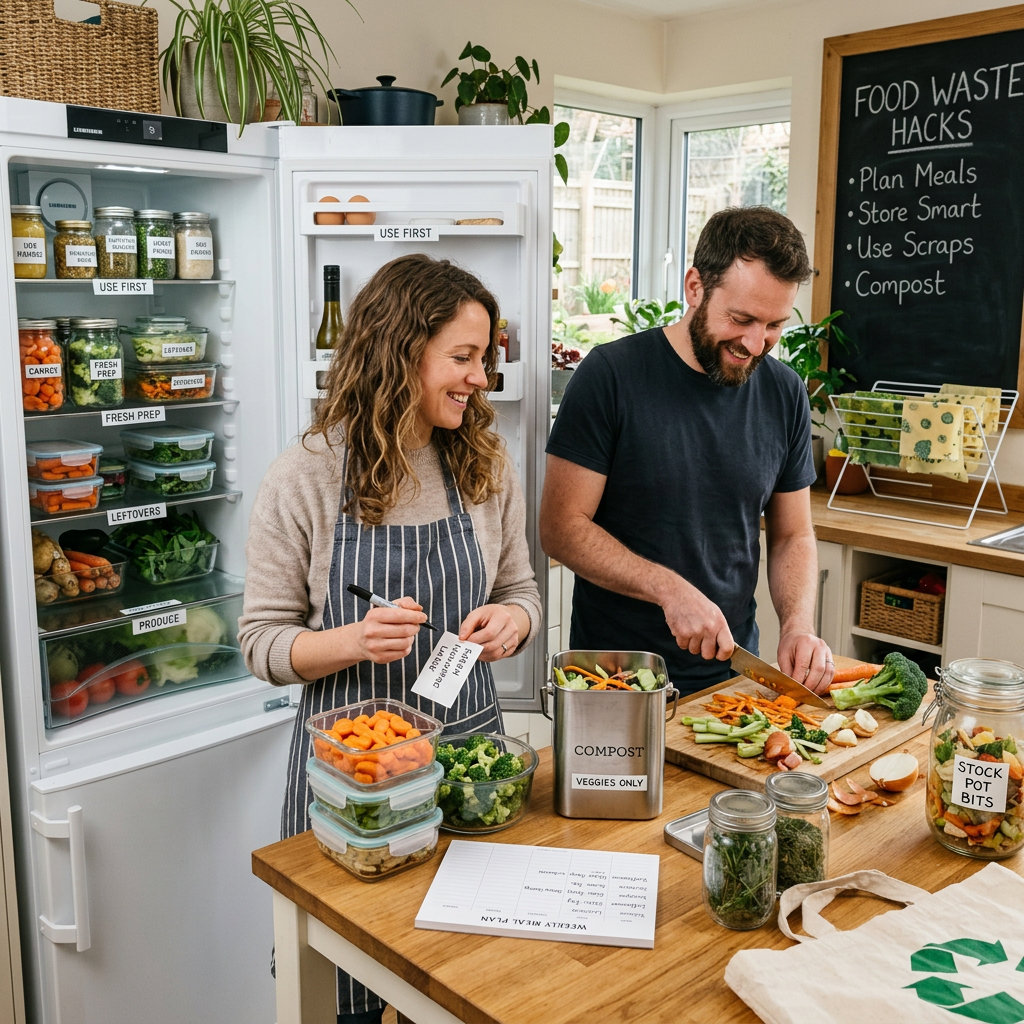
The First-In, First-Out (FIFO) method is simple yet effective. When you get back from the store, put new items behind older ones. This way, you use the oldest items first.
Using see-through storage containers helps too. Clear bins let you see what you have easily. This makes it easier to use food before it goes bad.
Keeping High-Risk Items at Eye Level
Some foods, like berries or leafy greens, spoil quickly. Store these items at eye level in your fridge. This keeps them in sight and reminds you to use them before they expire.
By following these tips for decreasing food waste, you’ll keep track of your food better. The table below shows how different storage zones affect your groceries’ life span.
| Storage Zone | Best Items to Store | Visibility Level |
|---|---|---|
| Eye Level | Leftovers, Perishables | High |
| Middle Shelves | Dairy, Eggs, Jars | Medium |
| Bottom Drawers | Produce, Root Veggies | Low |
| Pantry Shelves | Grains, Canned Goods | Medium |
Creative Ways to Use Leftovers
Turning yesterday’s dinner into a new meal is a great way to reduce food waste. Think of your fridge as a pantry full of possibilities, not a place for old containers. This approach can save you money and let you try new flavors.
Transforming Dinner into Next-Day Lunches
Large dinner portions can easily become tomorrow’s lunch. Make sure to eat leftovers within 3 to 4 days for the best taste and safety. If you can’t use them by the fourth day, freeze them to keep them fresh.
Repurposing Vegetable Scraps for Stocks and Broths
Don’t throw away onion skins, carrot peels, or celery ends. Store them in a freezer bag all week. Then, use them to make a nutrient-rich homemade stock that’s better than store-bought.
Turning Overripe Fruit into Smoothies and Baked Goods
Overripe fruit may look bad, but it’s actually sweeter. Blend soft bananas or berries into smoothies for a quick breakfast. Or, use them to sweeten muffins, breads, or pancakes, helping to reduce food waste at home.
| Ingredient | Repurposing Idea | Storage Tip |
|---|---|---|
| Roasted Vegetables | Add to frittatas or salads | Keep in airtight glass |
| Stale Bread | Make croutons or breadcrumbs | Store in a dry, cool place |
| Overripe Bananas | Bake into banana bread | Freeze peeled for smoothies |
| Cooked Rice | Create a quick fried rice | Refrigerate within two hours |
Understanding Expiration Dates and Food Safety
Learning to read food labels is a key food waste prevention tip. Many people throw away good food because they don’t understand the labels. By understanding these labels, you can save money and enjoy your food more.
Decoding Best-By vs. Use-By Labels
Most date labels are not set by the government for safety. A “best if used by” date is when the food tastes best. It doesn’t mean it’s bad after that day.
A “sell-by” date helps stores manage their stock. It’s a guide, not a hard rule. Knowing this helps reduce food waste in your kitchen.
| Label Type | Primary Meaning | Safety Implication |
|---|---|---|
| Best If Used By | Peak quality and flavor | Safe to consume after |
| Sell-By | Store inventory guidance | Safe to consume after |
| Use-By | Manufacturer quality limit | Follow for peak freshness |
Trusting Your Senses for Food Quality
When in doubt, trust your senses. Inspect the food for any signs of spoilage. Trusting your senses helps you decide what’s good to eat and what’s not.
Look for unusual smells, mold, or texture changes. If it looks, smells, and feels right, it’s probably safe. This simple trick can help you avoid wasting food.
Preserving Seasonal Produce for Future Use
Turning your extra produce into pantry staples is a great skill. When you have lots of fresh ingredients, you can reduce food waste at home. This way, you make sure your groceries are enjoyed, not thrown away.
“Preservation is the art of capturing the essence of the season to enjoy when the earth is resting.”
Freezing Fruits and Vegetables at Peak Freshness
Freezing is a top way to keep nutrients and flavor in your food. You can store ripe fruit in freezer-safe containers for later use in vibrant smoothies or muffins. Just wash, dry, and portion your produce before freezing to keep it fresh.
Vegetables also freeze well, even better if you blanch them first. Blanching stops enzymes that can cause color and texture loss. Once frozen, these veggies are ready for soups or stir-fries all winter long.
Simple Methods for Pickling and Fermenting
Want to try something new? Pickling and fermenting are tasty ways to use up extra cucumbers, carrots, or cabbage. You just need vinegar, salt, and water to start.
Fermentation adds probiotic goodness to your meals and keeps veggies fresh longer. Learning these simple preservation methods lets you manage your kitchen better. Your grocery budget will go further when you use every bit of your harvest.
Composting as a Final Solution for Scraps
Turning kitchen waste into soil is a rewarding way to reduce waste. It’s a key part of reducing food waste in the kitchen. Composting keeps organic scraps from landfills.
Setting Up a Small-Scale Indoor Compost Bin
You don’t need a big backyard for composting. There are small, odor-free bins for your kitchen. They keep pests away and smells down.
For those with yards, move scraps to a bigger pile or tumbler. This makes great fertilizer for plants. It’s a smart way to turn waste into something useful.
What You Can and Cannot Compost
Knowing what to compost is key for a healthy bin. A mix of “greens” and “browns” helps it break down well. Consistency keeps it odor-free and productive.
Here’s a guide for sorting scraps:
- What to Compost: Fruit and vegetable peels, coffee grounds, tea bags, and crushed eggshells.
- What to Avoid: Meat, dairy, oily foods, and pet waste. They attract pests and cause smells.
- Pro Tip: Chop larger scraps into smaller pieces to speed up decomposition.
By following these tips, your composting will be clean and successful. It’s a responsible step in managing your household waste.
Tracking Your Progress and Savings
Measuring your success is key to learning how to reduce food waste at home. By tracking your habits, you see how you’re saving money and helping the environment. This makes a daily task into a rewarding goal for your whole family.
Calculating Your Monthly Food Waste Reduction
In the U.S., people throw away about $750 a year in groceries. For a family of four, that’s $3,000 a year. By tracking what you throw away, you can spot where to improve.
Begin by logging what goes to the trash or compost. Over time, you’ll see patterns. This helps you fine-tune your strategies for reducing food waste. Seeing your waste decrease motivates you to keep up your sustainable lifestyle.
Reinvesting Your Savings into Quality Ingredients
When you see the money you save, you can spend it wisely. Many families use it for better, organic, or local food. This makes meals more enjoyable and supports sustainable food systems.
Using these strategies for reducing food waste means focusing on quality over quantity. You’re not wasting money on food that goes bad. Your budget now buys better nutrition for your family.
| Category | Typical Annual Loss | Potential Savings |
|---|---|---|
| Individual | $750 | $750 |
| Couple | $1,500 | $1,500 |
| Family of Four | $3,000 | $3,000 |
Knowing how to reduce food waste at home is more than saving money. It’s about being mindful of the food you eat every day. Celebrating your progress ensures these good habits stick for years.
Involving Your Family in Waste Reduction
Turning your kitchen into a green space is easier with family help. Together, you find easy ways to cut down on food waste. When everyone values pantry ingredients, the whole house becomes more mindful of what they eat.
Teaching Children About Food Sustainability
Teaching kids about food origins is key to lasting habits. When they see the hard work behind food, they feel more responsible. This makes them value their meals more.
Start by letting them help with simple tasks like checking expiration dates. These small actions teach them and build their character. As they grow, they’ll carry these values into their own homes.
Making Waste Reduction a Collaborative Household Goal
When everyone works together on waste reduction, your kitchen thrives. This shared goal makes everyone feel responsible for your groceries. By following these tips for decreasing food waste, your efforts will pay off over time.
Have a weekly family meeting to talk about progress and areas for improvement. Celebrating your savings can motivate you to keep up the good work. Use the table below to assign roles that keep your kitchen tidy and efficient.
| Family Member | Primary Responsibility | Expected Outcome |
|---|---|---|
| Children | Checking pantry dates | Reduced expired items |
| Partner | Managing leftovers | Fewer wasted meals |
| Organizer | Meal planning | Lower grocery costs |
| Whole Family | Compost sorting | Less landfill waste |
Conclusion
Your journey to a more efficient home begins with daily choices. By choosing smart habits, you control your grocery budget and protect the environment.
Consistency is key to reducing food waste at home. Small changes in pantry management and produce storage lead to big savings for your family.
You can make your kitchen a symbol of sustainability. Every meal planned and every scrap composted helps our planet.
Begin these strategies on your next trip to Whole Foods or the local farmers market. Your efforts to reduce food waste inspire your community.
Be proud of your progress toward a zero-waste lifestyle. Your actions have a significant impact, far beyond your kitchen.
FAQ
What is the most effective way to start how to reduce food waste at home?
Do you have any quick food waste prevention tips for busy families?
What are some easy ways to cut down on food waste without much effort?
Why is minimizing food waste at home so important for the environment?
What are the best strategies for reducing food waste during grocery shopping?
What are the best practices for food waste reduction regarding leftovers?
How can reducing wasted food at home help my household budget?
FAQ
What is the most effective way to start how to reduce food waste at home?
Start by doing a kitchen inventory audit. Knowing what you have before shopping helps avoid duplicates and ensures older items are used first.
Do you have any quick food waste prevention tips for busy families?
One quick tip is to prep produce as soon as you get home. Washing and chopping veggies immediately makes them easy to use during a busy week.
What are some easy ways to cut down on food waste without much effort?
Freezing food is an easy way to reduce waste. Freeze bread or meat before it spoils. Use reusable bags like Stasher for organized freezing.
Why is minimizing food waste at home so important for the environment?
Minimizing waste reduces methane from landfills. It also saves water and energy used in food production, packaging, and transport.
What are the best strategies for reducing food waste during grocery shopping?
Shop with a strict list and avoid buying too much perishable food. Opt for frozen options when unsure of immediate use.
What are the best practices for food waste reduction regarding leftovers?
Use a “Eat Me First” bin for leftovers and items nearing expiration. This keeps them visible and prioritizes their use.
How can reducing wasted food at home help my household budget?
Reducing waste can save over
FAQ
What is the most effective way to start how to reduce food waste at home?
Start by doing a kitchen inventory audit. Knowing what you have before shopping helps avoid duplicates and ensures older items are used first.
Do you have any quick food waste prevention tips for busy families?
One quick tip is to prep produce as soon as you get home. Washing and chopping veggies immediately makes them easy to use during a busy week.
What are some easy ways to cut down on food waste without much effort?
Freezing food is an easy way to reduce waste. Freeze bread or meat before it spoils. Use reusable bags like Stasher for organized freezing.
Why is minimizing food waste at home so important for the environment?
Minimizing waste reduces methane from landfills. It also saves water and energy used in food production, packaging, and transport.
What are the best strategies for reducing food waste during grocery shopping?
Shop with a strict list and avoid buying too much perishable food. Opt for frozen options when unsure of immediate use.
What are the best practices for food waste reduction regarding leftovers?
Use a “Eat Me First” bin for leftovers and items nearing expiration. This keeps them visible and prioritizes their use.
How can reducing wasted food at home help my household budget?
Reducing waste can save over $1,500 a year. By only buying what you need and using everything, you stop wasting money.
Can you provide tips for decreasing food waste for people living alone?
For singles, buying from bulk bins is helpful. This allows you to buy just what you need for a recipe, preventing excess.
,500 a year. By only buying what you need and using everything, you stop wasting money.
Can you provide tips for decreasing food waste for people living alone?
For singles, buying from bulk bins is helpful. This allows you to buy just what you need for a recipe, preventing excess.