
Starting an eco-friendly lifestyle can feel daunting. But remember, progress beats perfection. You don’t have to change everything at once. Start with small, meaningful habits to cut down on waste.
According to the EPA’s waste and recycling data, small everyday changes at home add up to significant environmental impact over time.
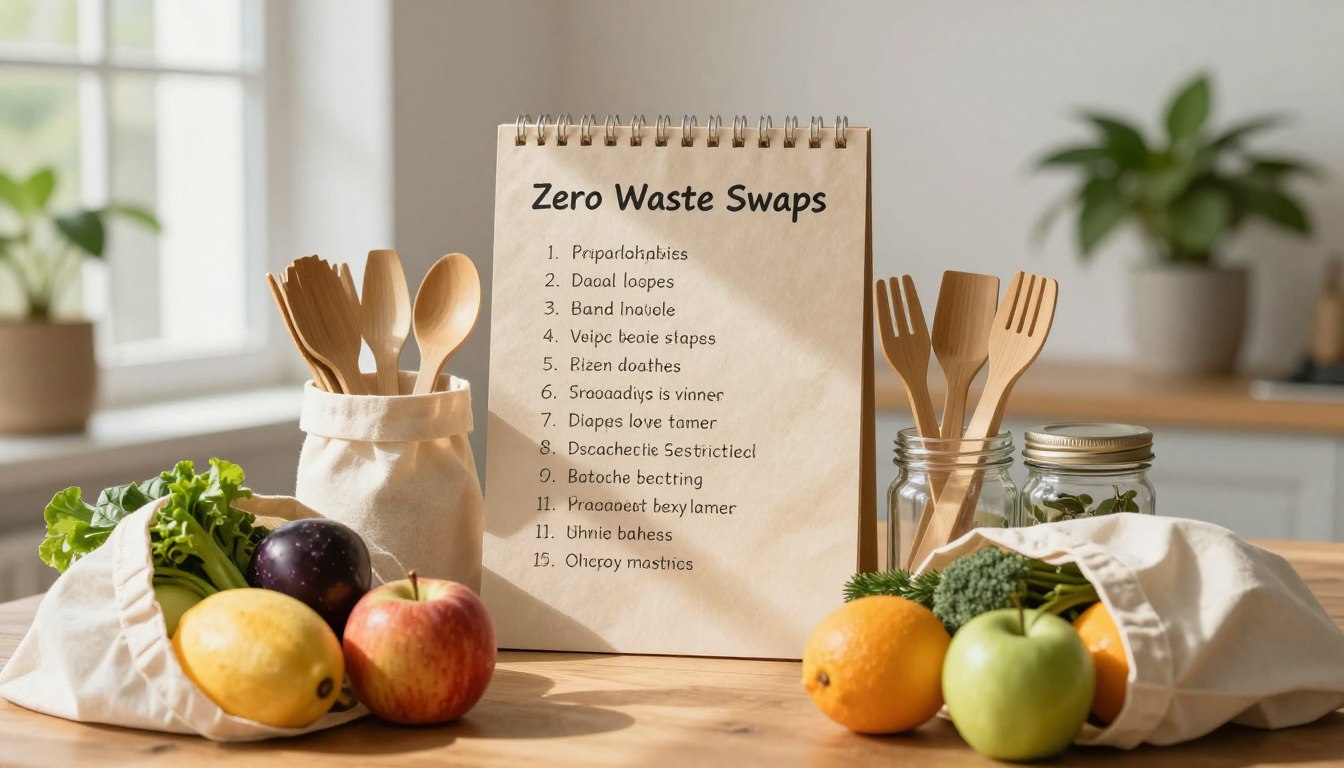
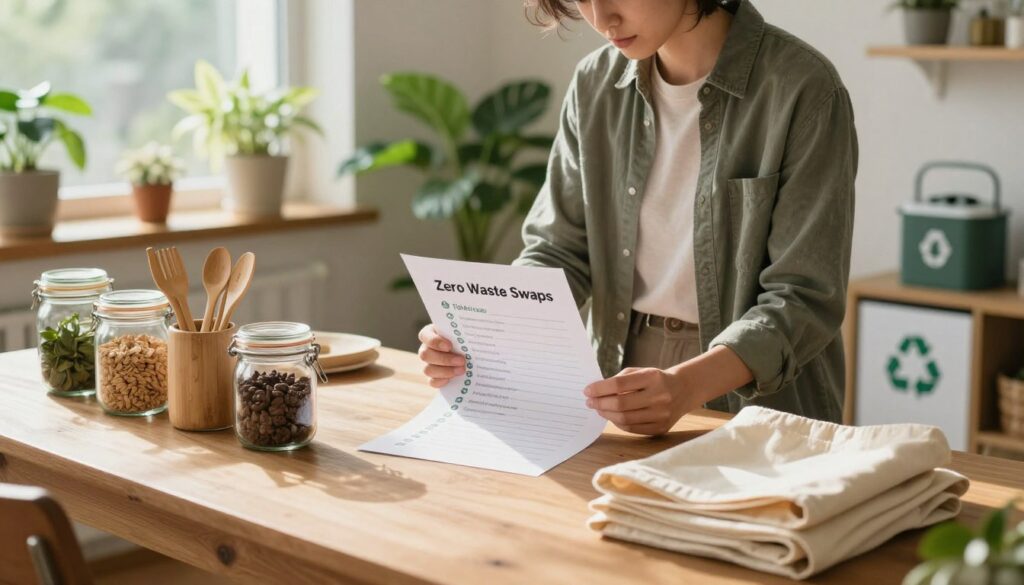
A zero waste swaps list can be your guide. It shows you simple swaps for everyday items. This way, you can change at your own pace.
Being mindful of what you buy helps the planet. It’s not about being perfect. A zero waste swaps list helps you make progress. See this journey as a step toward a greener future.
Key Takeaways
- Focus on personal progress, not immediate perfection.
- Choose daily habits that reduce your environmental impact.
- Use a guide to find simple, effective changes.
- Change at a pace that fits your lifestyle.
- Every small action helps make a big difference.
Understanding the Philosophy of Sustainable Living
The journey to a zero-waste lifestyle is about being mindful and resourceful. It’s based on five key principles: refusing what you don’t need, reducing what you use, reusing items, recycling properly, and rotting organic waste. This approach changes your mindset from convenience to intentional care for the planet.
Defining Your Personal Environmental Goals
Everyone’s lifestyle is different, so your path to sustainability should be too. You don’t have to change everything at once. Start by focusing on areas that matter to you, like reducing plastic or choosing ethical clothes.
Setting clear goals keeps you motivated. Focus on specific areas to track your progress and celebrate small wins. These eco-conscious swaps are the start of living more intentionally and sustainably, tailored to your needs.
The Impact of Small Daily Changes
It’s easy to think one person can’t make a difference, but your daily habits do. Choosing a sustainable option over a single-use item helps conserve resources. Over time, these small daily changes lead to a big reduction in pollution and waste.
By making eco-conscious swaps part of your daily life, you show that living sustainably is practical and fulfilling. Each choice to reuse or pick a plastic-free product tells the market you care about the planet. Your commitment to these eco-conscious swaps helps create a cleaner, more sustainable world for all.
How to Create Your Personalized Zero Waste Swaps List
Starting a sustainable home needs a clear plan that fits your life. Avoid buying things you don’t need. A zero waste swaps list guides you towards your environmental goals.
“The greatest threat to our planet is the belief that someone else will save it.”
Auditing Your Household Waste Streams
First, see what you throw away. Watch your trash and recycling for a week. This shows you what you often waste.
Researching Reliable Sustainable Product Replacements
After knowing your waste, find sustainable product replacements that fit your budget. Choose items that last long and are worth the money. Don’t replace everything at once. Focus on finding good alternatives for your daily needs.
Choose brands that make things ethically. Look for certifications or clear supply chains. This makes switching to zero waste product swaps easier and more fulfilling.
Categorizing Your Needs by Room and Frequency
Plan by room to avoid feeling overwhelmed. Sort your needs by how often you use them. This makes your zero waste swaps list easier to follow.
- Daily: Items like kitchen sponges or toothpaste.
- Weekly: Cleaning supplies or grocery storage bags.
- Monthly: Bulk pantry items or personal care refills.
Breaking down your zero waste product swaps helps you make steady progress. Remember, it’s about consistent improvement, not being perfect right away. Every small change helps make your home more sustainable.
Assessing Your Current Waste Habits
Looking into your trash bin is a good start to living sustainably. By seeing what you throw away, you can pick better waste-free substitutes for your life.
Identifying Single-Use Plastic Culprits
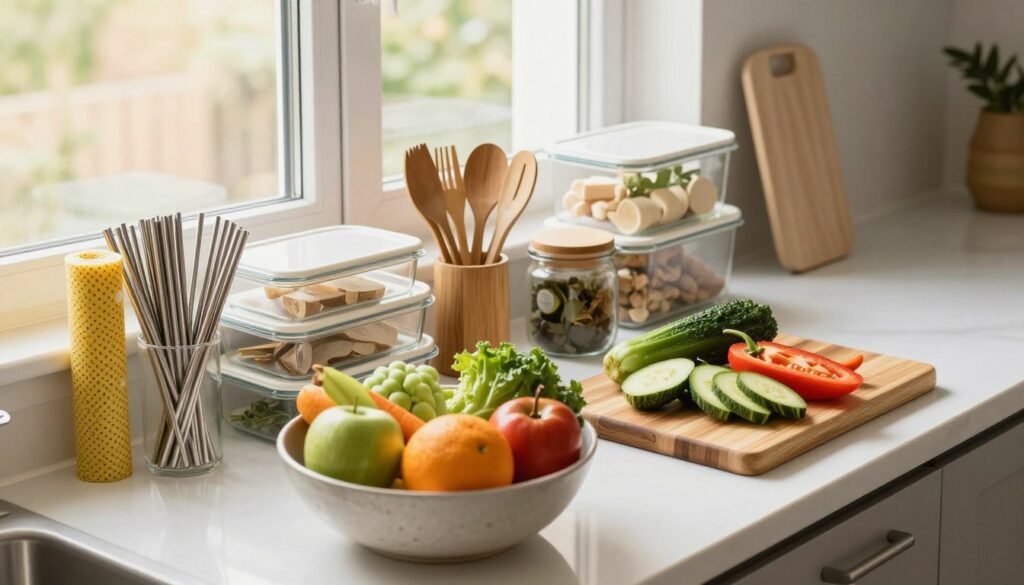
Many homes use items that go straight to the landfill after one use. These items are around us every day but often unnoticed.
Some common items include:
- Disposable plastic water bottles from the office or gym.
- Thin plastic produce bags used at the grocery store.
- Single-serve food packaging like snack wrappers or yogurt cups.
- Plastic straws and disposable cutlery from takeout orders.
Tracking Your Consumption Patterns
To change for good, you need to know your habits. Try logging what you use for a week to see how often you use disposable items.
This log will show you where waste-free substitutes can make a big difference. You might find you use five plastic bottles a day. This means a reusable bottle is a top priority.
Setting Realistic Milestones for Reduction
Don’t try to change everything at once. Sustainable living is a long-term effort, and small, measurable shifts are key to success.
Here are some easy goals to keep you going:
- Week 1: Swap your plastic water bottle for a stainless steel one.
- Week 2: Use your own reusable bags at the grocery store.
- Week 3: Buy bulk items to cut down on plastic packaging.
Reaching these goals will help you use more waste-free substitutes naturally. Every plastic item you avoid helps your home and the planet.
Prioritizing Your Eco-Friendly Alternatives
Before buying new things, think about what you already have. True sustainability starts with using what you already own, not buying more.
The Rule of Using What You Already Own
The best way to cut down on waste is to use up what you have first. This way, you avoid throwing things away and keep them out of landfills longer.
If you have bottles of soap or cleaning supplies that are half full, use them until they’re empty. Patience is a virtue in your journey to a greener lifestyle.
Focusing on High-Impact Swaps First
Not all changes are equal when it comes to helping the environment. Look for items you use a lot that waste a lot, like plastic wrap or disposable paper.
By focusing on these items, you can make eco-conscious swaps that make a big difference. Prioritizing these changes helps you see waste reduction results right away.
Evaluating Durability and Lifecycle
When it’s time to replace something, choose items that last a long time. Opt for durable materials like stainless steel, glass, or natural fibers. This way, your new item won’t become trash soon.
Always think about the whole life of your eco-friendly alternatives before buying. Buying quality items is wise for making sure your eco-conscious swaps last a long time.
Implementing Your Zero Waste Product Swaps
Looking at your zero waste swaps list might feel daunting. But, taking small steps is key. Change is a journey, not a race. Your commitment to the planet is about being consistent, not fast.
Focus on one area at a time. This way, your new habits are more likely to stick.
Transitioning Gradually to Avoid Overwhelm
It’s tempting to replace everything at once. But, this can lead to burnout and waste. Wait until you finish your current products before buying sustainable alternatives.
This mindful approach helps you avoid wasting good items for a new look.
“Sustainability is not about perfection; it is about making better choices every single day.”
Sourcing Environmentally Friendly Swaps Locally
When ready to buy, look for environmentally friendly swaps locally. Shopping at farmers’ markets, bulk stores, or independent shops cuts down on shipping carbon. It also supports your local economy and avoids online plastic packaging.
Proper Disposal of Replaced Items
When upgrading, handle your old items carefully. Tossing them in the trash defeats your purpose. See if they can be donated, repurposed, or recycled.
The table below helps you decide the best disposal for your items.
| Item Type | Best Disposal Method | Environmental Impact |
|---|---|---|
| Plastic Containers | Repurpose for storage | Low (Extends lifecycle) |
| Old Textiles | Donate or textile recycling | Medium (Prevents landfill) |
| Broken Electronics | Certified e-waste center | High (Prevents toxins) |
| Expired Chemicals | Hazardous waste facility | High (Protects water) |
By following these steps, you can make zero waste product swaps a part of your life. Every item you keep out of the landfill is a win for the environment. Be patient with yourself as you make this rewarding change.
Navigating Kitchen and Dining Sustainability
Using waste-free substitutes in your kitchen is a great way to cut down on single-use plastics. The kitchen is where most household waste comes from, making it a key place to start being eco-friendly. By making a few simple changes, you can greatly reduce your environmental footprint and keep your home tidy.
Replacing Paper Towels with Reusable Cloths
Paper towels contribute a lot to landfill waste, but they’re easy to swap out. Try using reusable cloths like cotton rags, microfiber towels, or cut-up old t-shirts. These options are better for the planet and can also save you money over time.
Have a special basket for dirty cloths and wash them with your laundry. You’ll see that these durable cloths work just as well as disposable ones for cleaning up spills and messes.
Switching to Glass and Stainless Steel Storage
Plastic containers can break down and leak chemicals into your food, then end up in the trash. Switching to glass jars or stainless steel containers is a healthier and more durable way to store food and pantry items. These materials are easy to clean, don’t hold onto smells, and can be recycled over and over again.
Begin by using glass jars from pasta sauce or pickles for storing dry goods like grains and beans. A few good stainless steel containers can also make packing lunches or storing bulk items easier. These waste-free substitutes help keep your kitchen tidy and your food fresh.
Composting Food Scraps Effectively
Food waste like vegetable peels and coffee grounds produces methane in landfills, a harmful greenhouse gas. Composting turns these scraps into soil for your garden or community projects. You don’t need a big backyard to start composting.
Many people in cities use small countertop compost bins or vermicomposting kits. If you don’t have space, look for local drop-off programs or community gardens that accept food scraps. By composting, you’re taking a meaningful step towards a more sustainable lifestyle.
Transforming Your Bathroom Routine with Plastic-Free Alternatives
Your bathroom is a great place to start living more sustainably. By checking the items you use daily, you can find ways to cut down on waste. Using eco-friendly alternatives in your routine can greatly reduce landfill waste.
Switching to Shampoo and Conditioner Bars
Changing your hair care products is a big step toward being more eco-friendly. Liquid shampoos come in big plastic bottles that waste space and pollute. Shampoo and conditioner bars, on the other hand, are packed with goodness and last longer.
These bars mean no more plastic bottles. They’re light, perfect for travel, and cut down on shipping pollution. You’ll also notice a cleaner shower without all the empty bottles.
Adopting Bamboo Toothbrushes and Refillable Floss
Switching to plastic-free alternatives in dental care is easy. Most toothbrushes are made from plastic that lasts forever in the environment. Bamboo toothbrushes have a biodegradable handle that can be composted.
Don’t forget about floss. Many flosses are nylon and come in plastic packets. Look for glass containers with silk or plant-based wax floss for a greener flossing routine.
Choosing Plastic-Free Personal Care Packaging
Look at other products in your bathroom too. Many brands now offer environmentally friendly swaps for lotions, deodorants, and soaps. These come in metal tins or cardboard tubes instead of plastic.
Choose products with minimal or compostable packaging. This supports companies that care about the planet. Every small change in your bathroom helps make a big difference in reducing waste.
Managing Sustainable Product Replacements on a Budget
Turning your home green doesn’t have to empty your wallet. Many think sustainable product replacements cost a lot, but smart choices can save you money. Simple steps can keep your home eco-friendly without breaking the bank.
DIY Solutions for Cleaning and Beauty
Many household items can be made from pantry staples. Making your own cleaners and beauty products lets you avoid pricey plastic-free alternatives. This way, you save money and control what’s in your products.
- Use white vinegar and water for an effective all-purpose surface cleaner.
- Mix baking soda with a little water to create a powerful scrubbing paste for sinks and tubs.
- Try simple oils like coconut or jojoba for natural skin hydration.
Buying in Bulk to Reduce Packaging Waste
Buying in bulk cuts down on waste and saves money. It reduces single-use plastic packaging. Many stores offer refill stations for your containers.
This is great for items like grains, beans, and spices. It avoids the extra cost of pre-packaged goods. This makes sustainable product replacements easier for everyone.
Investing in Quality Over Quantity
The best item is often the one you already have. When buying new, choose durable items. They last longer, saving you money over time.
Look for items made from natural materials like glass, stainless steel, or wood. These are durable and often better than plastic. This approach makes your home both strong and green.
Overcoming Common Challenges in Your Green Living Choices
Choosing to live more sustainably is rewarding but comes with challenges. You might feel like your eco-friendly choices clash with the world’s fast pace. The first step to a lasting sustainable lifestyle is to recognize these obstacles.
Dealing with Social Pressure and Convenience
Feeling self-conscious about your choices is normal. You might hesitate to use reusable bags at social events. Remember, your choices reflect your values, not a judgment on others.
Convenience often leads us back to wasteful habits. When you’re tired or busy, it’s easy to grab pre-packaged items. Keep your eco-friendly alternatives easy to access, making sustainable choices simpler.
Finding Balance in an Imperfect World
You don’t have to be perfect to make a difference. Many think one mistake ruins their progress. Instead, focus on the cumulative effect of your daily choices.
If you use a disposable item, don’t be too hard on yourself. The goal is to reduce waste consistently, not to eliminate it all at once. By choosing green living choices that fit your life, you ensure your efforts are sustainable.
Staying Motivated Through Community Support
Connecting with like-minded people can boost your motivation. Join local groups or online forums to share your journey. You’ll find many facing similar challenges and seeking eco-friendly alternatives.
Building a support network helps you exchange tips and celebrate victories. When you’re feeling down, hearing about someone else’s success can inspire you. You’re part of a growing movement for positive change.
| Challenge | Common Barrier | Effective Strategy |
|---|---|---|
| Social Pressure | Fear of judgment | Lead by example |
| Convenience | Time constraints | Plan and prep ahead |
| Perfectionism | Burnout | Focus on progress |
| Budget | High upfront costs | Start with DIY swaps |
Conclusion
Your journey to a waste-free life is a long-term effort. Every small step you take helps make the planet healthier.
You have the power to change the world with your daily choices. Making green choices every day can have a big impact.
Keep your list of swaps close to remember your progress. You should be proud of your efforts to reduce waste.
Companies like Patagonia show how our actions can lead to big changes. Your commitment shows that we all play a role.
Keep looking for new ways to reduce your impact. Your efforts inspire others to think differently about what they buy.
Share your journey with friends and family. Together, we can make a big difference for our future.