
These plastic free alternatives to everyday products steps make sustainable living simple and budget-friendly — here’s exactly how to get started. Did you know you might eat the same amount of plastic as a credit card every week? These tiny pieces are in our food, water, and even the air. They can be found in the deepest oceans and even in Antarctica.
Feeling overwhelmed is normal, but you can make a difference. By picking plastic free alternatives to everyday products, you help your health and the planet. Small changes in your habits can lead to big results over time.
We’ll guide you to a greener lifestyle, starting with your home. You don’t have to change everything at once. Let’s begin this journey together and clean up your space from waste.
Key Takeaways
- Microplastics are now found in human bodies and remote global ecosystems.
- You ingest roughly one credit card worth of synthetic material weekly.
- Small, consistent changes in your home reduce your environmental footprint.
- Sustainable living improves both personal health and global conservation efforts.
- Transitioning is easier when you focus on one room at a time.
Assessing Your Current Plastic Consumption
Did you know the average person uses as much plastic as a credit card every week? This fact shows why we need to pay attention to what we throw away. By understanding our habits, we can start making meaningful changes that help us and the planet.
To live greener, first find where plastic is in your daily life. This step is key to finding eco-friendly product alternatives that meet your needs.
Conducting a Home Waste Audit
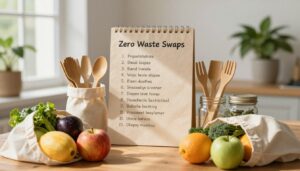
A home waste audit is a simple yet powerful tool. For a week, keep a notebook by your trash bin to record every plastic item. You might be shocked at how many single-use containers and wrappers you use.
After you have your list, sort items by room or how often you use them. This helps you see where to start. It shows which sustainable swaps for daily items will make the biggest difference in reducing waste.
Identifying High-Impact Plastic Items
Not all plastic is the same, and some is easier to replace than others. Focus on items like water bottles, food packaging, and disposable utensils. These are often the simplest to swap for durable, long-lasting replacements.
When looking at these items, think if you can get rid of them or use something reusable instead. Choosing eco-friendly product alternatives for these items can lead to big changes. Every small change we make helps make our environment cleaner and our future more sustainable.
Transitioning Your Kitchen to Plastic Free Alternatives to Everyday Products
Starting to make your kitchen more sustainable is easy. It’s a great place to begin because it often has a lot of synthetic stuff. By picking plastic free alternatives to everyday products, you make your home healthier and cut down on waste.
Swapping Food Storage Containers
How you store food affects your waste a lot. Ditching flimsy plastic bags and containers is a big step toward zero waste. These environmentally friendly alternatives are good for the planet and keep food fresh longer.
Glass Jars and Stainless Steel Options
Glass jars are super handy and let you see what’s in your pantry. They’re easy to clean and don’t harm your food. For snacks or lunches, stainless steel containers are a great choice because they’re light and last a long time.
Replacing Plastic Kitchen Utensils
It’s easy to forget about the tools we use in cooking. But, be careful with black plastic utensils. They might be made from recycled electronics and have toxic flame retardants that aren’t safe for food.
Wooden and Bamboo Alternatives
Choosing natural materials is good for you and the planet. Wooden spoons and bamboo spatulas are great environmentally friendly alternatives. They’re safe for heat and gentle on your pots and pans. These plastic free alternatives to everyday products make your kitchen look nice and keep cooking safe and green.
Sustainable Bathroom Swaps for Daily Hygiene
Changing your daily hygiene routine can make a big difference. Many bathroom products come in single-use plastic bottles that harm our environment. By picking sustainable swaps for daily items, you can reduce your impact and keep your routine effective.
Switching to Solid Shampoo and Conditioner Bars
One key change is switching from liquid hair care to solid bars. These bars are packed with goodness and last longer than liquids. They come in minimal, recyclable packaging, cutting down on plastic waste.
Using solid bars is easy. Rub them on your wet hair or hands for a rich lather. They’re also perfect for travel because they won’t spill in your bag.
Choosing Bamboo Toothbrushes and Natural Floss
Small changes in dental care can make a big difference. Plastic toothbrushes are hard to recycle and last for centuries. Bamboo toothbrushes have a biodegradable handle that composts naturally.
Using natural silk or corn-based floss adds to your eco-friendly habits. These plastic-free living options help keep your cleaning routine waste-free. Many brands offer subscription services so you always have what you need.
Refillable Personal Care Solutions
If you like liquid soaps or lotions, look for refillable options. Many places offer bulk refill stations for various products. Reusing the same bottle stops the need for new plastic every month.
| Product Category | Traditional Plastic Item | Sustainable Alternative |
|---|---|---|
| Hair Care | Plastic Shampoo Bottle | Solid Shampoo Bar |
| Dental Care | Plastic Toothbrush | Bamboo Toothbrush |
| Body Care | Disposable Soap Dispenser | Refillable Glass Bottle |
| Oral Hygiene | Plastic Floss Container | Compostable Silk Floss |
Eco-Friendly Product Alternatives for Laundry and Cleaning
Your laundry room and cleaning closet are great places to find eco-friendly product alternatives. Many common detergents and cleaners come in heavy, non-recyclable plastic. This waste adds up and fills our landfills.
By changing your habits, you can greatly reduce plastic waste at home. This simple shift can make a big difference.
Ditching Plastic Laundry Detergent Jugs
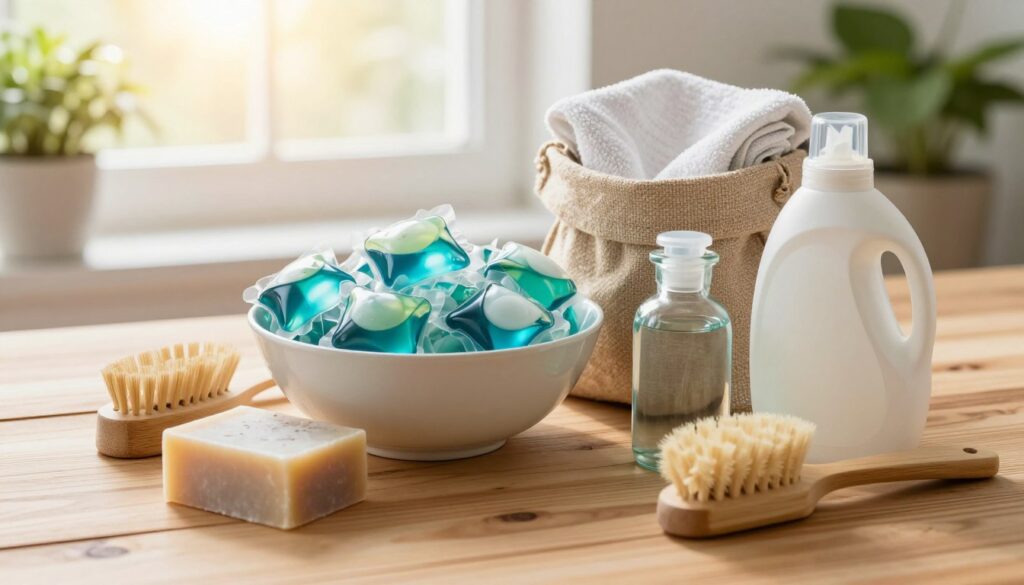
One of the best ways to reduce waste is to stop buying liquid detergents in plastic. Switch to laundry strips or concentrated powders instead. These options are lighter, save space, and often come in compostable packaging.
Laundry strips dissolve well in both hot and cold water. They’re efficient and easy to use, eliminating spills and mess. These concentrated forms clean as well as traditional brands but are better for the planet.
Natural Cleaning Tools and Compostable Sponges
The tools you use to clean also affect the environment. Most sponges are made from synthetic plastics that harm our water. Opt for natural cleaning tools like cellulose or loofah instead.
Compostable sponges are tough on grime but biodegradable. Use them with wooden brushes for a complete eco-friendly cleaning set. These eco-friendly product alternatives keep your home clean without harming the environment.
| Cleaning Item | Traditional Version | Sustainable Alternative |
|---|---|---|
| Laundry Soap | Plastic Jugs | Laundry Strips |
| Scrubbing Sponge | Synthetic Plastic | Cellulose/Loofah |
| Cleaning Brush | Plastic Handle | Bamboo/Wood |
| Surface Cleaner | Plastic Spray Bottle | Refillable Glass/Tabs |
Zero Waste Product Replacements for Grocery Shopping
Did you know 30% of all plastic is for single-use? Sadly, only 19% of plastics in Australia are recycled. This means most of your grocery packaging ends up in landfills or the environment. By picking environmentally friendly alternatives, you can cut down your waste a lot.
Utilizing Reusable Produce Bags
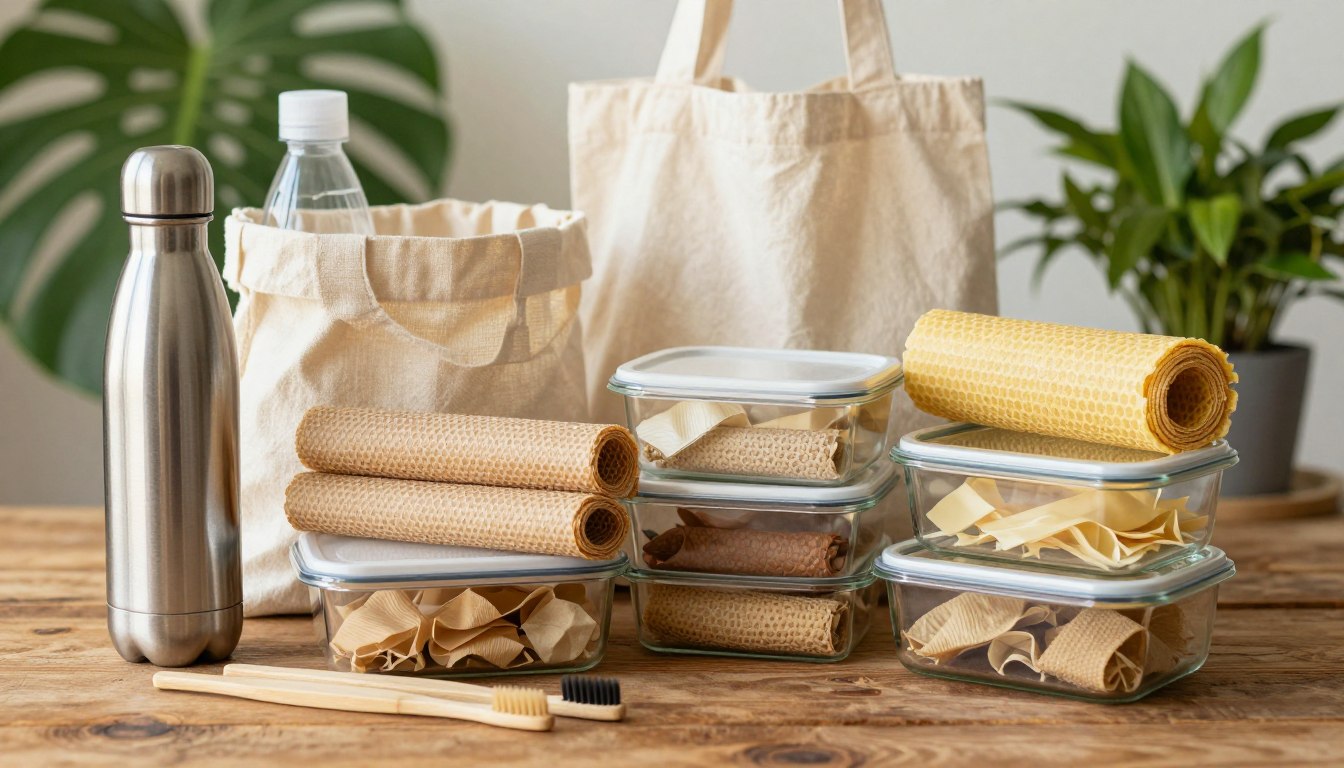
The thin plastic bags in the produce section are used for just a few minutes before being thrown away. You can skip this by using your own lightweight cotton or mesh produce bags. These bags are durable, washable, and can last for years. They’re great zero waste product replacements for your shopping trips.
Selecting Bulk Bin Options
Shopping in the bulk aisle lets you buy just what you need. Bring your own glass jars or cloth bags to avoid plastic containers. This simple change helps reduce packaging waste and can even save you money.
Choosing Glass or Metal Packaging Over Plastic
When buying in bulk isn’t an option, look for glass or metal packaging. These materials are infinitely recyclable and keep their quality during recycling. Opting for these environmentally friendly alternatives keeps your kitchen sustainable, not filled with disposable plastic.
Green Alternatives for Everyday Products in the Office
Starting a sustainable workspace means looking at everyday items differently. Your office likely has hidden plastics in tech, stationery, and organizers. By picking green alternatives for everyday products, you can make your work area eco-friendly.
Refillable Pens and Metal Stationery
Most pens are made of cheap plastic and are meant to be thrown away. Think about getting a metal fountain pen or a refillable rollerball pen. These are not only durable but also give a better writing experience.
Replace plastic staplers, paperclip holders, and desk organizers with bamboo, wood, or recycled steel versions. These green alternatives for everyday products look great and cut down on plastic waste.
“The greatest threat to our planet is the belief that someone else will save it.”
Digital Organization to Reduce Paper and Plastic Waste
Physical filing systems use a lot of plastic folders and paper. Switching to digital tools can greatly reduce waste. Cloud storage and apps keep your space tidy and paper-free.
Adding natural elements like plants can also improve your office. Spider plants are great for cleaning the air, making them perfect green alternatives for everyday products. Here are some easy ways to green up your office:
- Switch to digital receipts and invoices to save paper.
- Use a reusable glass water bottle instead of plastic cups.
- Choose recycled paper products when you need physical copies.
- Add plants to naturally purify your workspace air.
Sustainable Alternatives for Common Items While Traveling
Traveling doesn’t mean you have to ignore the environment. You can explore the world without leaving a trail of plastic behind. By choosing sustainable alternatives for common items, you can keep your footprint light, no matter where you go.
Packing Plastic Free Toiletries
Traditional travel toiletries come in a lot of plastic. Instead, try solid alternatives like shampoo bars and soap. They’re lightweight, leak-proof, and don’t use plastic.
Invest in refillable silicone tubes for lotions or serums. These containers last for years and help you avoid buying new plastic bottles. Don’t forget a bamboo toothbrush and natural silk floss for your eco-friendly kit.
Carrying Reusable Water Bottles and Utensils
Disposable plastic water bottles and flimsy cutlery are common. But carrying your own stainless steel water bottle and a portable bamboo or metal utensil set is better. These items are easy to clean and fit in any carry-on bag.
“The greatest threat to our planet is the belief that someone else will save it. Travel with intention and leave only footprints behind.”
Using your own gear reduces waste and saves money on snacks and drinks. Here’s a quick guide to help you swap out common travel disposables for better options.
| Disposable Item | Sustainable Swap | Key Benefit |
|---|---|---|
| Plastic Water Bottle | Stainless Steel Bottle | Refillable & Durable |
| Plastic Cutlery | Bamboo Travel Set | Lightweight & Compostable |
| Travel Shampoo Bottle | Solid Shampoo Bar | Zero Plastic Waste |
| Plastic Straw | Collapsible Metal Straw | Reusable & Compact |
By making these conscious choices, every trip becomes a chance to support a healthier planet. Staying prepared helps you keep your eco-friendly habits while traveling.
Eco-Conscious Product Substitutes for Pet Care
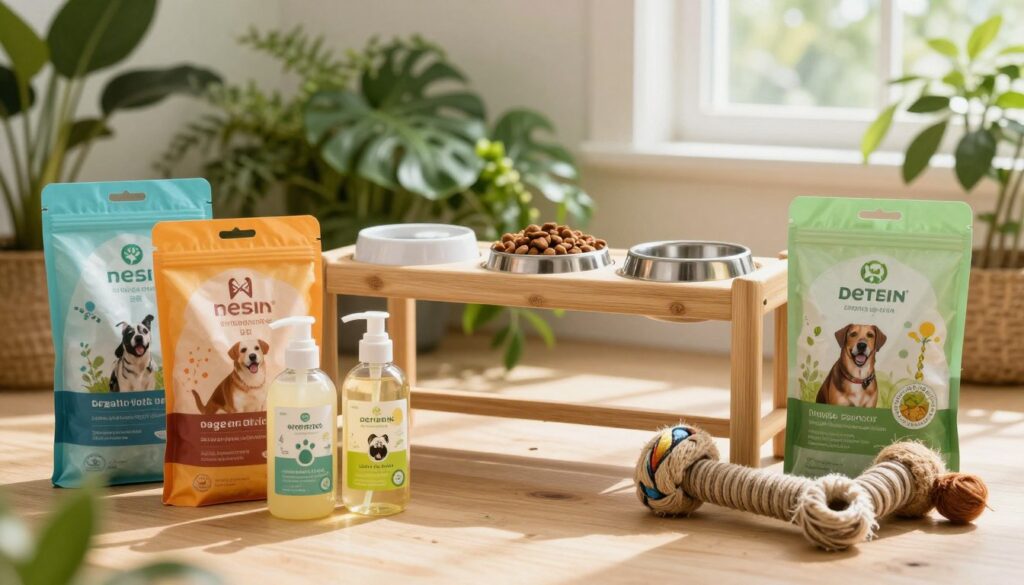
Caring for pets can lead to a lot of plastic waste at home. Daily cleaning and playtime often involve synthetic items that harm the environment. By picking eco-conscious product substitutes, you can care for your pets better and help the planet.
Compostable Waste Bags
Dog owners often use a lot of plastic bags. But, these bags take ages to decompose. Switching to compostable waste bags made from plant-based materials can make a big difference.
When looking for these eco-conscious product substitutes, check for BPI or TUV OK Compost certifications. These ensure the bags break down safely and don’t harm the environment. Making this change helps keep your area clean and your heart at peace.
Natural Fiber Toys and Bedding
Many toys and beds are made of synthetic materials that can harm pets and the planet. Opt for durable, eco-friendly options instead. Here are some natural choices:
- Hemp or organic cotton ropes: These are biodegradable and great for chewing.
- Wool or jute toys: They offer a fun texture without the risk of plastic ingestion.
- Organic cotton or wool bedding: These are breathable, hypoallergenic, and free from synthetic fillers.
Choosing durable, natural materials means you won’t need to replace items as often. These eco-conscious product substitutes help create a sustainable home for your pet’s health and happiness.
Plastic Free Living Options for Parenting and Kids
Choosing plastic-free living options for your family is rewarding. It keeps your home safe and helps the planet. By picking sustainable habits, you make a better world for your kids and reduce waste.
Choosing Natural Rubber and Wood Toys
Many toys are made from cheap plastics that break quickly. Instead, choose natural rubber and wood toys. These are durable and great for kids’ senses.
Wooden blocks and natural rubber teethers are safe from harmful chemicals. They last long, becoming family treasures. Choosing quality over quantity is key for a mindful home.
“The greatest legacy we can leave our children is a healthy planet.”
Sustainable Diapering and Clothing Choices
Disposable diapers are mostly plastic, harming the environment. Switching to cloth or compostable diapers is a big step. It reduces your household waste.
For clothes, pick natural fibers like organic cotton, wool, or linen. They’re good for your skin and the planet. They’re better than synthetic fabrics.
| Item Category | Plastic Version | Sustainable Alternative |
|---|---|---|
| Toys | Cheap PVC/Plastic | Solid Wood/Natural Rubber |
| Diapers | Disposable Plastic | Cloth or Compostable |
| Clothing | Synthetic Polyester | Organic Cotton/Wool |
Overcoming Challenges in Your Plastic Free Journey
Switching to non-plastic items is rewarding but has its hurdles. You might feel daunted by the amount of plastic around us. But, every small change helps a lot. Stay patient and keep learning to make green alternatives for everyday products a part of your life.
Managing Budget Constraints
Many think eco-friendly living costs a lot. But, choosing durable, reusable items can save you money. Only replace items when they really need it, not just because they’re plastic.
Focus on spending on eco-conscious product substitutes that are worth it. For instance, a good stainless steel water bottle can save you money by cutting down on bottled water costs. Buying in bulk also cuts down on waste and costs.
“The greatest threat to our planet is the belief that someone else will save it.”
Dealing with Hidden Plastics in Packaging
Shopping for groceries can be tricky with misleading labels. You might see “compostable” or “biodegradable” labels on items that aren’t. These are often bioplastics that need commercial composting facilities to break down, not your backyard bin.
To avoid these traps, look for products with real certifications. Stick to glass, metal, or paper packaging. These are more likely to get recycled in your area. By being careful, you can pick eco-conscious product substitutes that fit your values and find the best green alternatives for everyday products.
Maintaining Long-Term Sustainable Habits
Starting a sustainable legacy is about making small, daily choices. The excitement of changing your lifestyle is strong at first. But, it’s the daily actions that truly make a difference.
By choosing sustainable alternatives for common items, you support your values and the planet.
Building a Support System
You don’t have to go it alone. Finding people who share your values can be a big help. Joining local groups or online forums can offer support and tips.
“The greatest threat to our planet is the belief that someone else will save it.”
Being around those who value conscious living makes it easier to avoid single-use plastics. Hosting a swap party with friends can show the power of community support.
Tracking Your Environmental Impact
Keeping track of your progress can be motivating. It shows the real effects of your efforts. By monitoring your waste, you can see which zero waste product replacements work best for you.
One key strategy is buying secondhand. It cuts down on new plastic packaging. Here are some benefits of secondhand shopping:
- It reduces the need for new manufacturing and plastic shipping.
- It keeps products out of landfills by extending their life.
- It offers unique, quality zero waste product replacements at a lower cost.
Your dedication to sustainable alternatives for common items is a long-term effort. By staying consistent, your positive impact will grow with each year.
Conclusion
Choosing plastic free alternatives is a big step for your health and the planet. You can make a big difference by picking eco-friendly products. This choice helps the environment.
Every time you choose sustainable options, you help your community. Small changes can save natural resources for the future. You should be proud of your progress.
Going plastic-free takes time and effort. Look for brands like Package Free Shop or EarthHero for green products. They make switching easier.
As you get used to eco-friendly products, share your finds with friends. This can inspire them to live more sustainably. Your voice is important in creating a cleaner world.
Keep an eye on how your actions impact the environment. Small steps can lead to big changes. Start your journey to a waste-free life today.