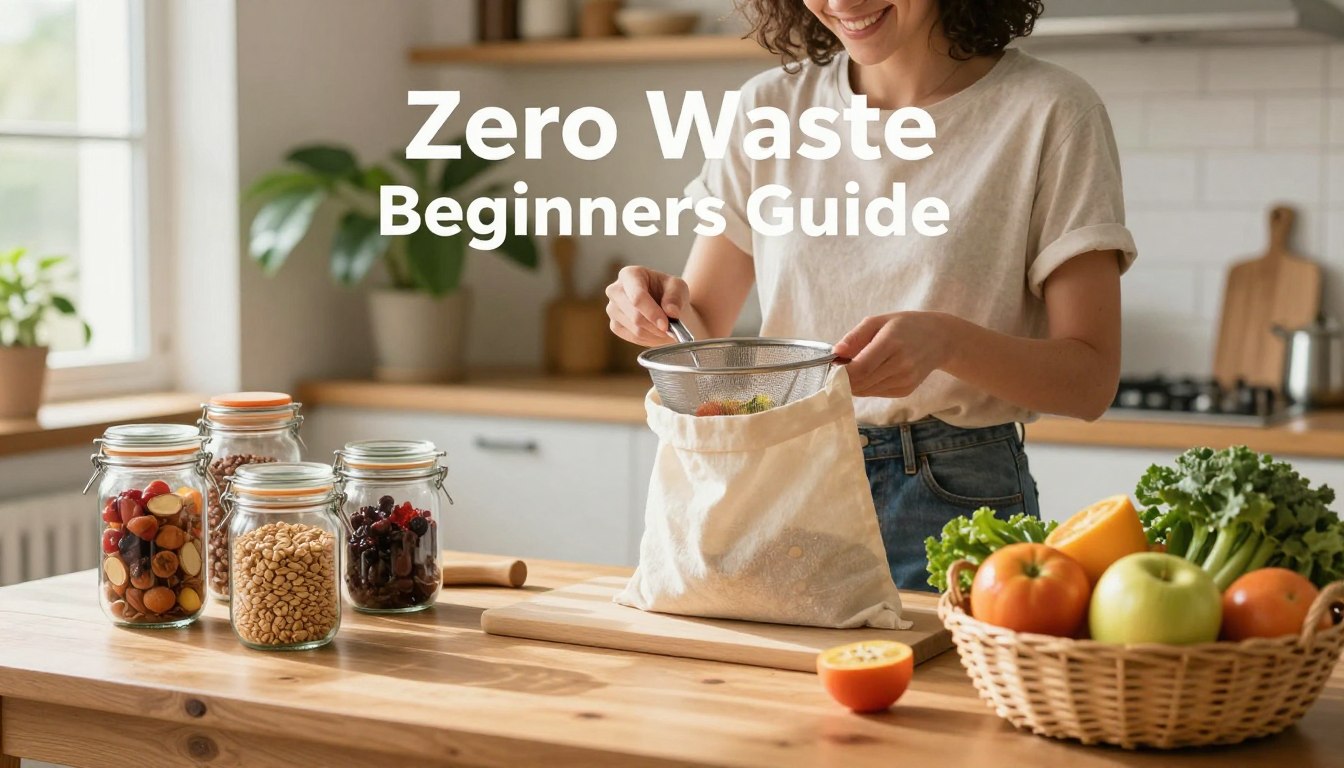

Ever looked at your trash bin and thought about changing your ways? You’re not alone in wanting to help our planet. Starting a zero waste lifestyle for beginners is a great way to live in line with your values.
This beginner’s guide to zero waste suggests making small, steady changes. You don’t have to be perfect to help. By focusing on progress, you can leave behind disposable habits without feeling stressed.
Our zero waste beginners guide shows you how to begin today. Discover how easy changes in your daily life can greatly benefit the environment.
Understanding the Zero Waste Philosophy
Starting a waste-free life means changing how you see daily use. Going zero waste is about making choices that reduce your impact on the environment. It’s about avoiding landfills by using smarter habits.
Defining the Core Principles
The heart of this movement is the “5 Rs”: Refuse, Reduce, Reuse, Recycle, and Rot. These sustainable living tips help you choose items that last longer or can be composted. They guide you in what you bring into your home and how to handle it when it’s gone.
Let’s look at how these changes work in real life. Here’s a comparison of old habits and new, mindful ways:
| Habit Category | Traditional Approach | Zero Waste Approach |
|---|---|---|
| Grocery Shopping | Plastic-wrapped produce | Reusable cloth bags |
| Food Storage | Single-use plastic wrap | Glass containers |
| Waste Disposal | Landfill trash bin | Composting and recycling |
| Product Selection | Disposable convenience | Durable, long-term goods |
Why Your Individual Impact Matters
You might think your actions are small against big industrial waste. But an eco lifestyle for beginners believes in starting with personal actions. Every choice you make sends a message to the market about what you value.
By managing your waste, you join a bigger movement. This empowerment lets you set an example for your community and family. Your efforts help protect our planet for the next generations.
Assessing Your Current Waste Habits
You can’t manage what you don’t measure, especially with household waste. Before you can live with less waste, you need to know what you throw away. This step is key to a lower-waste lifestyle.
Conducting a Home Waste Audit
Start by tracking your trash for a typical week. Keep a notebook near your kitchen bin. Write down every item you throw away for three to five days. Don’t worry about being perfect; just observe your habits.
Tracking your waste might shock you. You’ll see how much packaging and food scraps go to the landfill. By documenting these, you start building eco-friendly habits that fit your life.
Identifying Your Biggest Waste Culprits
After your audit, look for common items in your trash. Are you mostly throwing away plastic wrappers, paper towels, or expired food? Finding these patterns helps you know where to improve.
Start by focusing on your top three waste sources. This approach helps you avoid feeling overwhelmed. By improving these areas, you’ll reduce your environmental impact over time.
Zero Waste Lifestyle for Beginners: The First Steps
Starting a sustainable journey means changing your daily habits. A zero waste lifestyle for beginners is about making small, smart choices. By refusing, reducing, and reusing, you can greatly reduce your environmental footprint.
Refusing Single-Use Items
The best way to cut down on waste is to stop it before it starts. This zero waste beginners guide recommends starting with common items. For instance, using a reusable water bottle can save up to 20 plastic bottles a month.
Declining plastic straws, disposable cutlery, and extra packaging sends a strong message. It shows you prefer sustainability over convenience. Small refusals can lead to big reductions in waste over time.
Reducing What You Already Own
Before buying eco-friendly items, check what you already have. Often, you own things that can be used in more ways. Mindful consumption is crucial here.
Use up what you have before getting new, sustainable items. This approach reduces waste and makes you appreciate what you already own. Reducing your belongings leads to a more intentional and tidy home.
Reusing and Repurposing Household Goods
Turning old items into new ones is a key part of a beginner’s guide to zero waste. Instead of throwing away glass jars or old clothes, find new uses for them. You can also borrow tools or equipment instead of buying new ones.
Repurposing saves money and keeps useful items out of landfills. By seeing your belongings as useful, you can start your journey today. Adopting these habits helps build a sustainable future step by step.
Kitchen Swaps for Sustainable Living
Your kitchen is the heart of your home and a big source of waste. By using sustainable living tips, you can make it more eco-friendly. Simple changes can help a lot without losing style or convenience.
Replacing Plastic Wrap and Bags
Plastic wrap and bags are common in kitchens. But, you can switch to beeswax wraps. They are washable, reusable, and compostable.
Beeswax wraps fit bowls or fruits perfectly, keeping food fresh. For snacks or leftovers, try silicone storage bags. They are dishwasher-safe and last long, making them a great swap.
Choosing Reusable Food Storage Containers
Switching from plastic containers is good for the environment. Glass or stainless steel containers are a better choice. They don’t absorb smells or stains.
Glass containers let you see what’s inside, helping you avoid food waste. They last longer than plastic, making them a smart investment.
Sustainable Cleaning Supplies and Tools
Traditional cleaners come in plastic bottles with harsh chemicals. Try sustainable living tips like using cleaning tablets or bulk soaps. They cut down on plastic waste.
Use wooden dish brushes or cellulose sponges for cleaning. They’re better for the environment than synthetic sponges. These swaps make cleaning easier on the planet.
| Traditional Item | Sustainable Alternative | Key Benefit |
|---|---|---|
| Plastic Cling Wrap | Beeswax Wraps | Compostable and reusable |
| Plastic Storage Bags | Silicone Pouches | Durable and heat-resistant |
| Synthetic Sponges | Cellulose/Wood Brushes | Plastic-free and biodegradable |
| Disposable Paper Towels | Cotton Unpaper Towels | Washable and long-lasting |
Reducing Waste in Your Bathroom Routine
Changing your daily hygiene routine to be more sustainable is simpler than you might think. By using zero waste essentials, you can get rid of plastic bottles that clutter your vanity. These changes help keep your hygiene high while also helping the planet.
Switching to Solid Toiletries
Switching to solid toiletries is a great way to reduce waste. Shampoo and conditioner bars are simple zero waste swaps that get rid of plastic packaging. These bars last longer than liquid products, saving you money.
Body wash bars also offer a rich lather without harming the environment. They use natural ingredients that are kind to your skin and the water. Moving to solid bars makes your shower space neater.
Eco-Friendly Dental Care Alternatives
Small changes in your dental routine can make a big difference. Plastic toothbrushes are hard to recycle, but bamboo ones are a biodegradable solution. When the bristles get worn out, you can compost the handle.
Try toothpaste tablets or powders in glass jars instead of plastic tubes. These simple zero waste swaps keep your oral care routine green and effective.
Managing Personal Care Packaging
To cut down on plastic waste in your bathroom, be mindful of packaging. Look for brands with refillable containers or bulk options for lotions and soaps. Opt for products in glass, metal, or cardboard to avoid single-use plastics.
By focusing on zero waste essentials, you control what comes into your home. Choosing items with minimal or recyclable packaging makes your bathroom cleaner and more sustainable. Making small, consistent choices can greatly reduce your household waste.
Eco-Friendly Habits for Grocery Shopping
Turning your grocery trip into a green mission is simpler than you think. By adopting eco-friendly habits, you can cut down on trash at home. These simple zero waste swaps help you manage your environmental footprint while shopping for food.

Shopping in Bulk Sections
Using bulk bins at your local store is a great way to cut down on waste. Bring your reusable jars or cloth bags to avoid single-use plastics. This habit is key to eco-friendly habits that saves money and reduces waste.
Stores now offer many items like grains, nuts, and spices in bulk. Remember to weigh your containers before filling them. This small action greatly reduces your weekly waste.
Choosing Plastic-Free Produce
The produce section often has too much plastic. Opt for loose fruits and veggies instead of pre-packaged ones. Using mesh bags for produce is a simple change you can make today.
If an item comes in plastic, pick a different one or wait for it to be in season. Prioritizing loose produce avoids microplastics and keeps your kitchen tidy. It also encourages eating more whole foods.
Supporting Local Farmers Markets
Shopping at local farmers markets supports your community and reduces carbon emissions. The food is grown close by, so it needs less transport. Farmers often sell without plastic packaging.
Starting eco-friendly habits means knowing your food’s origin. Visiting these markets gives you fresh, seasonal produce. It’s a fulfilling way to connect with where your food comes from.
Managing Waste and Composting at Home
Did you know that nearly a quarter of all landfill waste is food scraps? By stopping these materials, you make a big difference. Composting turns your food waste into soil, closing the loop on your kitchen use.
Getting Started with Backyard Composting
If you have a yard, a compost pile or bin is best. You need “greens” like vegetable scraps and “browns” like dried leaves or cardboard.
Consistency is key for your pile. Turn the contents often to add oxygen. This speeds up the breakdown. Soon, you’ll have great fertilizer for your garden.
“The greatest threat to our planet is the belief that someone else will save it.”
Indoor Composting Solutions for Apartments
You can still go zero waste even in a small space. There are many compact ways to manage waste without a yard.
- Vermicomposting: Uses a worm bin to quickly break down scraps.
- Bokashi Bins: Ferments meat and dairy without oxygen.
- Countertop Composters: Electric devices that dry and grind waste into soil.
Understanding Local Recycling Guidelines
Even with great composting, you’ll still have items to recycle. It’s crucial to know your local recycling rules. Contamination can ruin all recyclables.
Research what your local facility accepts. By following these guidelines, your waste reduction efforts will be effective. Staying informed is key to a clean, sustainable home.
Sustainable Fashion and Clothing Choices
Creating a wardrobe that lasts is key to zero waste essentials. Focus on timeless pieces instead of fast fashion. This reduces the waste that ends up in landfills. Choosing what you wear wisely connects your style with your values.
Building a Capsule Wardrobe
A capsule wardrobe is a small, curated collection of items you love. It’s better than owning many pieces that you rarely wear. This way, you invest in quality items that work well together.
- Choose neutral colors that coordinate easily.
- Prioritize natural, durable fabrics like organic cotton, linen, or wool.
- Invest in classic silhouettes that do not go out of style.
The Benefits of Thrifting and Secondhand Shopping
Thrifting is great for finding unique items and keeping clothes in use. It stops good clothes from being thrown away and cuts down on new production needs. It’s a budget-friendly zero waste essential for anyone.
Embracing the hunt for secondhand items lets you show your style without harming the environment. Vintage pieces often have better materials than cheap new clothes. Choosing secondhand supports a circular economy that values lasting items.
Proper Care to Extend Garment Life
Repairing clothes is a big step towards sustainability. Learning to mend small issues can save a lot of waste. Proper care is a key part of your zero waste essentials toolkit.
Here are some easy habits to keep your clothes in great shape:
- Wash your clothes in cold water to preserve fibers and save energy.
- Air dry your garments whenever possible to prevent heat damage.
- Store items properly to avoid moths and moisture issues.
- Learn to mend small tears immediately before they become unfixable.
Reducing Digital and Paper Clutter
Start reducing waste at home by tackling the clutter in your mailbox and on devices. Paper and digital files add up and harm the environment. By organizing these areas, you make your home neater and support the planet.
Transitioning to Paperless Billing
Going paperless is a simple way to cut down on paper waste. Many companies offer paperless options for bills and statements. This saves trees and cuts down on energy needed for printing and mailing.
Setting up paperless billing takes just a few minutes online. Once you do, your home will feel less cluttered. It’s a great step for anyone starting an eco lifestyle for beginners.
Managing Junk Mail and Unsolicited Offers
Unwanted mail is a big waste problem. You can stop it by registering with services like DMAchoice or Catalog Choice. These platforms help block unwanted catalogs and credit card offers before they arrive.
If you still get mail, contact the sender to ask to be removed from their list. These steps help you manage and prevent waste from entering your home.
Digital Minimalism for a Greener Mindset
Digital storage also has an environmental cost. Every file in the cloud uses a lot of electricity. Digital minimalism is a great eco lifestyle for beginners because it clears your mind and saves energy.
Begin by deleting old emails, unsubscribing from newsletters, and removing duplicate photos. By reducing your digital footprint, you help the internet and your mind stay organized. This is a key part of reducing waste at home that’s often overlooked.
Overcoming Common Challenges
Starting a sustainable journey can be tough. It’s normal to face obstacles when you’re new to a zero waste lifestyle for beginners. Knowing these challenges helps you stay on track with your goals.
Dealing with Social Pressure and Convenience
Social events or busy days can make it hard to keep up with your habits. Friends or family might not get why you choose certain things. Or, you might be tempted by easy-to-use items when you’re in a hurry.
Here are some tips to help:
- Always carry a reusable water bottle and snack container to avoid buying single-use items.
- Explain your choices to friends in a friendly way, without being too pushy.
- Remember, it’s about making progress, not being perfect all the time.
Handling Budget Constraints
Many think this lifestyle costs a lot. But, a real beginner’s guide to zero waste shows you don’t need to spend a lot. Often, the best thing is what you already have.
Look around your house for things you can use again. Old glass jars are great for storing things, and old cotton shirts can become cleaning rags. This way, you save money by using less and reusing more.
Avoiding Perfectionism in Your Journey
The goal of going zero waste isn’t to be perfect. It’s about making choices that help the planet, even if they’re not perfect. If you use a plastic straw or forget your bag, don’t get down on yourself.
“We don’t need a handful of people doing zero waste perfectly. We need millions of people doing it imperfectly.”
See your journey as a series of small steps towards better living. Letting go of perfection makes it easier to keep going and make changes that work for you.
Building Long-Term Eco-Friendly Habits
Creating lasting habits takes time and a clear vision. It’s easy to want to change everything at once. But start with small, intentional actions to make sustainable living tips a part of your daily life.
Setting Realistic Sustainability Goals
Success comes from setting goals that fit your lifestyle. Instead of changing everything at once, choose one area to improve each month. This makes an eco lifestyle for beginners easier and less stressful.
Here are some tips to keep you going:
- Begin with one room, like the kitchen or bathroom.
- Replace one disposable item with a reusable one each week.
- Keep track of your progress in a journal.
Finding Your Local Zero Waste Community
You don’t have to go it alone. Connecting with others who share your values helps keep your eco-friendly habits strong. Local groups offer advice tailored to your area.
Find support in these places:
- Local social media groups focused on sustainability.
- Community gardening clubs or composting workshops.
- Neighborhood swap meets for trading goods instead of buying new.
Staying Motivated Through Progress
Staying motivated is key for any eco lifestyle for beginners. Celebrate your small wins to build confidence for long-term change. Remember, it’s consistency that matters, not perfection.
By following these sustainable living tips, your journey will become rewarding. Every step you take helps the planet. Keep going, and your dedication to eco-friendly habits will lead to lasting change.
Conclusion
Small, daily choices can make a big difference for our planet. This guide helps you start making changes that last. It’s all about transforming your habits for the environment.
By being mindful of what you consume, you can reduce your impact. Adding zero waste essentials to your daily life has a big effect. It helps your community and the world.
Changing habits takes time and patience. You don’t have to be perfect to help. Every choice you make towards sustainability counts.
Keep looking for new ways to reduce your waste. Join local groups or online forums to share and learn. Your efforts help create a better future for all of us.