
Many think saving the planet costs a lot of money. They believe eco-friendly living on a budget is hard in today’s world. But, the truth is, caring for the environment often means buying less, not more.
According to the EPA’s waste and recycling data, small everyday changes at home add up to significant environmental impact over time.
Learning how to live sustainably on a budget changes how you think. It’s about choosing what you really need over buying things you don’t. By not buying things you don’t need, you save money and help the planet.
Living environmentally friendly on a budget gives you back control over your money. You’ll see that making smart choices leads to a healthier life and a cleaner world. Let’s look at how small changes can make a big difference for your wallet and the Earth.
Key Takeaways
- Prioritize intentional consumption to reduce waste and save money.
- Understand that sustainability is often about buying less, not buying expensive green products.
- Small, consistent changes in daily habits yield long-term financial benefits.
- Mindful spending protects your personal finances while helping the environment.
- Embrace a simpler lifestyle to lower your overall ecological impact.
Understanding the Philosophy of Frugal Sustainability
Embracing frugal sustainability means finding joy in simplicity and reducing your ecological footprint. It shows you can live well without harming the planet. By making intentional choices, you can live sustainably without feeling left out.
“The greatest threat to our planet is the belief that someone else will save it.”
This view stresses the need for personal responsibility in our daily lives. Taking control of what we consume reveals that many sustainable living tips are smart and save money.
The Intersection of Minimalism and Eco-Consciousness
Minimalism and caring for the environment both aim to reduce waste. Owning fewer items means less demand for products that harm the planet. This mindful approach is a key frugal sustainability tip for today.
Decluttering brings clarity on what’s truly valuable in life. You stop following trends and invest in lasting quality. This change is crucial for cost-effective sustainable living, as it breaks the cycle of constant replacement.
Why Saving Money Often Means Saving the Planet
Every dollar saved by consuming less is a vote against harming the environment. Avoiding impulse buys cuts down on energy, water, and raw materials needed for new products. These sustainable living tips show that saving money and saving the Earth go hand in hand.
Living within your means leads to a slower, more thoughtful life. You learn to value what you already have instead of always looking for more. In the end, frugal sustainability tips help you create a future that’s both financially stable and kind to the Earth.
Mastering Sustainable Grocery Shopping on a Budget
Grocery shopping can be a challenge, but it’s a chance to live sustainably every week. Making smart choices at the store helps the planet and saves money. Small changes can lead to big savings and a smaller environmental impact.
Prioritizing Seasonal and Local Produce
Buying seasonal fruits and veggies is a great way to save money and help the planet. They’re often cheaper because they don’t need to travel far. Local farmers’ markets offer fresh produce that supports your community.
Choosing local produce cuts down on carbon emissions from shipping. Eating with the seasons also lets you try new recipes and get more nutrients. It’s a simple way to eat in harmony with nature.
Reducing Food Waste Through Meal Planning
Planning meals before shopping helps avoid buying too much food. Take a few minutes each week to check what you already have. This ensures you only buy what you need, a key to saving money.
Make a shopping list for your meals and stick to it. This stops impulse buys that often go to waste. Every food item you save is money you keep.
Strategies for Effective Pantry Management
Organizing your pantry helps you keep track of what’s near expiration. Use the First-In, First-Out (FIFO) method to use older items first. This reduces food waste.
Use glass jars for dry goods like grains and spices. They keep pests out and food fresh. When empty, they can become decorative items for your home.
Creative Ways to Use Leftovers
Don’t see leftovers as boring; see them as versatile ingredients for new meals. A roasted chicken can turn into a delicious soup or salad. Being creative with leftovers shows you’re a resourceful cook.
Save vegetable trimmings for homemade stock. This way, you reduce waste and make the most of your money. Your kitchen will become a place of efficiency and creativity.
Energy Efficiency Hacks for Your Home
Turning your home into an energy-saving haven is a smart move. It saves you money and helps the planet. Simple daily habits can cut down your bills and save resources for the future. By using these budget-friendly green living strategies, you can live lightly without spending a lot.
Optimizing Heating and Cooling Costs
Heating and cooling systems use a lot of energy. Just a few degree changes can save a lot over time. In winter, wear warm clothes instead of raising the heat. Use fans in summer to cool down.
Also, check your water heater’s temperature. Setting it to 120 degrees Fahrenheit saves energy without sacrificing hot water.

Switching to Energy-Efficient Lighting and Appliances
Changing your lighting is a simple way to make your home more efficient. LED bulbs use less power and last longer than old bulbs. This change is a key step toward a greener home.
When buying new appliances, look for the Energy Star label. These products are made to use less energy. Buying efficient appliances is a wise choice for a greener home.
Simple Habits to Reduce Electricity Consumption
Many devices still use power even when off, known as “phantom power.” Unplug chargers, gaming consoles, and small appliances when not in use. A power strip with an on/off switch makes this easier.
Building these habits helps you control your energy use. Consistency will benefit your wallet and the planet.
Sustainable Fashion Without the High Price Tag
Changing how you think about clothes is key to eco-friendly living on a budget. It’s not just about buying green items. It’s about making the clothes you have last longer. This way, you can stay stylish and help the planet.
The Benefits of Thrifting and Secondhand Shopping
Thrifting is great for cost-effective sustainable living. It keeps good clothes out of landfills and saves you money. Plus, many items found in thrift shops are still worth a lot, so you can sell them later.
Building a Capsule Wardrobe for Longevity
A capsule wardrobe means having a few, versatile, quality pieces. This stops you from buying things on impulse. It also means you always have something good to wear, no matter the occasion.
Caring for Your Clothes to Extend Their Lifespan
Starting budget-friendly green living strategies means taking care of your clothes. Washing in cold water, air-drying, and learning to mend can make your clothes last twice as long. Fixing small issues like loose buttons or tears keeps your clothes looking new.
| Feature | Fast Fashion | Sustainable Wardrobe |
|---|---|---|
| Cost | Low initial, high long-term | Higher initial, low long-term |
| Durability | Low (seasonal) | High (years) |
| Resale Value | Negligible | Significant |
| Environmental Impact | High waste | Minimal waste |
Reducing Waste Through Mindful Consumption
You can make your home more sustainable by changing how you buy things. Start by thinking carefully about what you bring home. This way, you can stop waste before it starts.
Adopting a Zero-Waste Mindset at Home
A zero-waste lifestyle is about making better choices every day. Start by looking at what you throw away. This helps you find ways to improve right away.
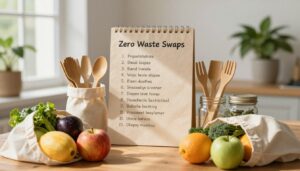
When you shop, ask if you really need something. Buying items with less packaging helps the environment. These sustainable living hacks help you control your impact while saving money.
DIY Cleaning Solutions Using Household Staples
Many cleaning products are expensive and bad for you and the planet. You can make your own cleaners with things like vinegar, baking soda, and lemon juice. These are cheap and work well on many surfaces.
For example, a mix of water and vinegar in a spray bottle cleans windows and countertops well. Adding essential oils makes your home smell good without synthetic fragrances. Using these budget-friendly green living strategies keeps your home clean and saves money.
Replacing Single-Use Items with Reusable Alternatives
Switching to reusable items is a simple way to cut down on waste. For example, you can use old t-shirts as cleaning cloths instead of paper towels. This saves money and reduces landfill waste.
Choosing reusable items can save you a lot of money over time. The table below shows how small changes can add up to big savings.
| Item | Disposable Cost (Annual) | Reusable Cost (Initial) | Savings Potential |
|---|---|---|---|
| Cleaning Cloths | $60 | $0 (Upcycled) | High |
| Food Storage | $40 | $15 | Medium |
| Coffee Filters | $25 | $10 | Medium |
| Napkins | $50 | $20 | High |
Eco-Friendly Transportation and Commuting Strategies
Changing how you travel is a big step towards being more eco-friendly. Transportation costs a lot each month. By making small changes, you can save money and help the planet.
Start by planning your trips better. Instead of making many short trips, try to do all your errands in one go. This cuts down on gas and car wear.

Maximizing Public Transit and Carpooling
Using public transport is a smart move for saving money and the environment. Many cities have monthly passes that are cheaper than driving. If public transport isn’t an option, carpooling with others can help split costs.
Sharing a ride cuts down emissions by half. It also helps you save money and can make your commute more enjoyable. You might find it more relaxing than driving alone.
The Financial and Environmental Perks of Cycling
Cycling is the best way to travel short distances. It uses no fuel, produces no emissions, and keeps you fit. A good bike can save you money on gas in just a few months.
Cycling also has long-term benefits for your health and wallet:
- Significant fuel savings by eliminating the need for gasoline.
- Lower maintenance costs compared to the complex repairs required for cars.
- Improved physical fitness through consistent, low-impact daily exercise.
- Reduced stress by avoiding the frustration of heavy traffic congestion.
By using these budget-friendly sustainability tips, you can save money. Every bike or bus ride is a step towards a greener future. These choices support environmentally friendly living on a budget every day.
How to Live Sustainably on a Budget Through DIY Projects
You can make your home a place of cost-effective sustainable living by using items you already have. Doing things yourself saves money and cuts down on waste. These ideas are easy budget-friendly sustainability tips for anyone to start today.
Upcycling Old Furniture and Household Goods
Upcycling gives old items a new life. For example, wooden pallets can become custom bed frames, coffee tables, or outdoor furniture. Reusing old goods saves money and keeps them out of landfills.
Look for items in your home that still work but look old. A new coat of eco-friendly paint or updated hardware can make them look new again. Being creative helps you fix things instead of throwing them away.
Starting a Small-Scale Home Garden
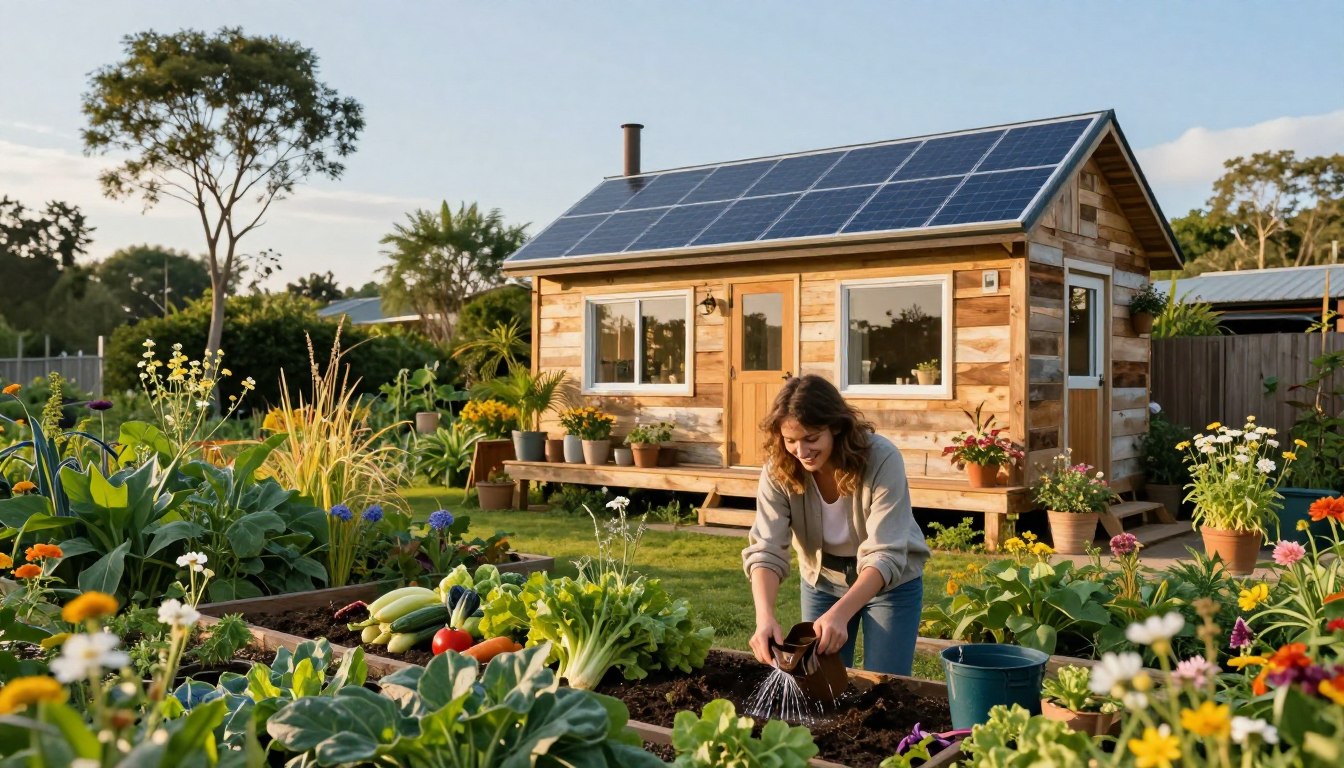
Growing your own food is a great way to live sustainably. Even a small balcony or sunny windowsill can grow herbs, greens, or tomatoes. Starting a small garden cuts down on plastic packaging from store-bought food.
You don’t need a big backyard to make a difference. Using old containers as planters keeps costs low. Seeing your food grow is rewarding and gives you fresh, organic ingredients.
Composting Basics for Beginners
Composting is great for your garden. It turns food scraps into soil for your plants. Composting is easy and doesn’t need much space or tools.
Start a small bin under your sink or patio for organic waste. It reduces trash and gives your plants free fertilizer. Nature works in cycles, and composting helps your garden grow while keeping your home clean.
Ethical Banking and Conscious Spending Habits
Making smart money choices is key to environmentally friendly living on a budget. Your money is a vote for the world you want. By picking where you bank and how you spend, you can help the planet and stay financially stable.
Supporting Sustainable Brands That Align with Your Values
Every time you buy something, you support a business model. Choosing companies with clear supply chains helps avoid harm to the environment and workers. Researching brands before you buy is a top sustainable living hack.
Look for B-Corp or Fair Trade certifications to ensure your money goes to good causes. Buying quality items from these companies can save you money over time. It turns shopping into a way to make a difference.
Avoiding Impulse Purchases Through the 30-Day Rule
Impulse buying blocks saving money and reduces waste. To fight this, use the 30-day rule for non-essential items. Wait thirty days before buying something you want.
This pause helps you tell if you really need something. Often, the urge to buy goes away, saving you money and keeping your home tidy. This simple rule is a big help for those living green on a budget.
| Habit Type | Impulse Spending | Conscious Spending |
|---|---|---|
| Decision Speed | Immediate | Delayed (30 days) |
| Value Alignment | Low | High |
| Financial Impact | Negative | Positive |
| Waste Generation | High | Minimal |
Conclusion
Your journey to a greener lifestyle begins with daily choices. Learning to live sustainably on a budget frees you financially and protects nature.
You can change your habits to reduce waste. Small changes in your daily life help your wallet and the planet. These tips guide you to a life of purpose, not excess.
Value the quality of what you own and the joy of simple living. Look for brands like Patagonia or local thrift shops. This way, you stay true to your values without spending too much.
Stay committed to this path and see your impact grow. Share your journey with friends or family to inspire them. Your choice to live mindfully shows that a fulfilling life doesn’t have to be expensive.