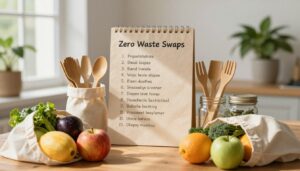


Getting started with sustainable living tips for everyday life is easier than you think, and this guide walks you through every step without the overwhelm. Changing your daily habits can greatly reduce your environmental impact and save money. You don’t need a big change to see results. Small, thoughtful choices can make your home healthier and your wallet bigger.
According to the EPA’s waste and recycling data, small everyday changes at home add up to significant environmental impact over time.
Millions of people are making small changes that add up to big results. They show that even small actions can lead to big changes. You’ll learn how to live sustainably by making easy changes that fit your busy life.
Begin your journey to a greener future today. These tips help you save money and resources without giving up comfort.
Key Takeaways
- Small habit changes lead to major financial savings.
- Environmental consciousness reduces household waste effectively.
- Intentional choices create momentum toward a greener future.
- You can improve your budget without a total lifestyle shift.
- Simple actions provide long-term benefits for your home.
The Financial Benefits of Eco-Conscious Living
Adopting an eco-friendly lifestyle can save you money. Many think it costs a lot, but it’s often cheaper. Making smart choices can cut down your bills and reduce waste.
Learning how to live sustainably teaches you to be efficient. Choosing long-term savings over quick fixes helps your budget. Small changes add up to big savings over time.
Take your home’s heating and cooling for example. Lowering your thermostat 7 to 10 degrees for eight hours a day can save up to 10 percent on your energy bill. This shows that living green can also save you money while keeping your home cozy.
Sustainable Living Tips for Everyday Life in Your Kitchen
Want to live sustainably? Start with your kitchen. It’s the heart of your home and a big source of waste. Making small changes can greatly reduce your impact on the environment and save you money.
Reducing Food Waste to Lower Grocery Bills
Throwing away food ends up in landfills, producing methane. Plan meals and shop with a list to avoid this. Using every ingredient is key to managing your kitchen well.
Properly storing produce keeps it fresh longer. Turn leftovers into new meals like soups or stir-fries. These tips help you save money and reduce waste.
Choosing Reusable Storage Over Single-Use Plastics
Using plastic wrap and disposable bags is expensive and wasteful. Durable alternatives like glass containers and beeswax wraps are better. They last for years and are good for the planet.
These items also keep your food fresh and prevent harmful chemicals. Here’s how your choices affect your wallet and the environment:
| Item Type | Cost Over Time | Environmental Impact | Durability |
|---|---|---|---|
| Plastic Wrap | High (Recurring) | High Waste | Single-Use |
| Silicone Bags | Low (One-time) | Minimal | Long-term |
| Glass Jars | Low (One-time) | Zero Waste | Permanent |
Energy Efficiency Hacks for Your Home
Turning your home into an energy-efficient space is simpler than you think. By changing how you power your daily life, you can live more eco-friendly. This approach cuts down your bills and helps the planet.
Making small changes can lead to big savings over time. These tweaks help you spot and fix energy-wasting spots. They also make your appliances work better.
Optimizing Your Thermostat Settings
Your heating and cooling system uses a lot of electricity. Adjusting your thermostat when you’re out can save a lot of energy.
Think about getting a programmable or smart thermostat. It can change the temperature for you. This way, you don’t waste money heating or cooling an empty house.
Switching to LED Lighting Solutions
Lighting is an easy area to improve right away. LEDs use much less electricity than old bulbs. They’re also much longer-lasting.
Using LEDs means you won’t need to replace bulbs as often. This saves you money and time. Adding these eco-conscious living tips to your routine can cut down on energy waste all year.
Smart Water Conservation Strategies
Managing your home water usage is key to a sustainable lifestyle. Water is precious, and saving it at home is crucial for the environment. By using these green living ideas, you help local supplies and save money.
Start by looking at your daily bathing habits. A five-minute shower uses 10 to 25 gallons of water. Filling a bathtub can use up to 70 gallons. So, how you wash is a big factor in your water use.
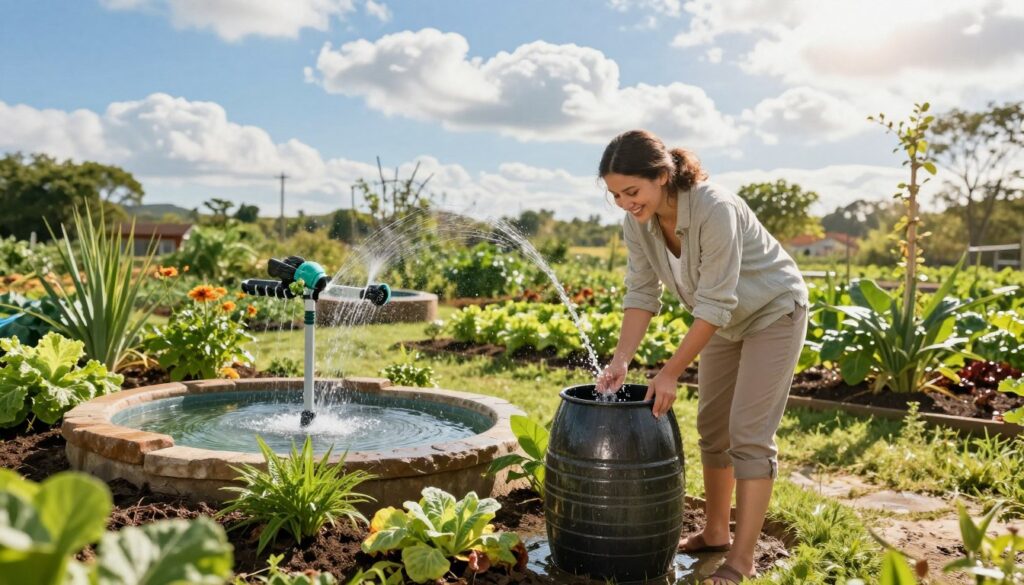
Installing Low-Flow Showerheads
Changing your bathroom fixtures is a big step towards being eco-friendly. Low-flow showerheads save water without losing pressure.
They’re easy to install and won’t break the bank. You’ll see benefits like:
- Lower utility bills from using less water.
- Less energy costs if you have a water heater.
- They work well, keeping you comfortable.
Fixing Leaks to Prevent Utility Waste
Hidden leaks can cause high water bills and waste. Even a small drip can waste a lot of water each month. It’s important to check your home for leaks regularly.
Do a quick check by looking at your water meter when nothing is using water. If it keeps moving, you have a leak. Fixing these small issues quickly is a smart way to keep your home efficient and green.
Sustainable Fashion and Wardrobe Management
Thinking differently about how you get and keep your clothes is key to modern sustainable living practices. Your choices affect the planet and your wallet. By making smart picks, you can create a stylish, lasting wardrobe that matches your values.
The Benefits of Thrifting and Secondhand Shopping
Shopping at thrift stores or online resale sites is a great way to dodge the high costs and harm to the environment of fast fashion. Buying secondhand keeps good items out of landfills and cuts down on new, resource-heavy production. These eco-conscious living tips let you find unique, quality pieces for less.
Thrifting also makes you more creative with your style. It lets you build a wardrobe that lasts, not just follows trends. This change in thinking helps you save money and supports a more circular economy.
Caring for Your Clothes to Extend Their Lifespan
Looking after your favorite items is crucial to keep them looking good for years. Simple actions, like washing clothes in cold water, can save you about $40 a year on energy. This small step is a big help for the planet.
Washing in cold water is also kinder to fabrics, preventing them from shrinking or fading. Try air-drying your clothes when you can to avoid damage from hot dryers. By caring for your clothes, you cut down on the need for new clothes and help the planet.
Eco-Friendly Transportation Choices
Making smarter transportation choices is key to environmentally friendly living. How you travel affects your carbon footprint and your budget.
Air travel is much more energy-intensive than road or rail travel, emitting 285 grams of CO2 per kilometer per passenger.
Changing your habits can reduce your use of high-emission travel. Small changes can make a big difference for the planet and your wallet.
Maximizing Fuel Efficiency Through Better Driving Habits
If you must drive, you can still make eco-friendly choices. Efficient driving saves fuel and reduces vehicle wear.
Here are simple ways to boost your fuel economy:
- Maintain steady speeds: Avoid rapid acceleration and hard braking, which waste fuel.
- Check tire pressure: Properly inflated tires improve gas mileage and safety.
- Remove excess weight: Clear out unnecessary items from your trunk to reduce drag and engine strain.
Exploring Public Transit and Cycling Options
Choosing public transport or cycling saves money and is good for your health. These options reduce the number of vehicles on the road.
By biking or taking the bus, you help the environment. These habits are a practical way to live eco-friendly and stay active.
Reducing Waste Through Mindful Consumption
Changing how you view material goods is a big step towards living more intentionally. Before buying something, ask yourself if you really need it. This simple act can greatly reduce your environmental footprint. These sustainable living practices help you avoid the endless cycle of buying and discarding things.
Adopting a Minimalist Approach to Shopping
Minimalism is more than having fewer things. It’s about making space for what truly matters. Buying less saves money and cuts down on the need for new, resource-heavy products. Intentionality helps you resist the urge to buy the latest thing.
Think about the environmental impact of a smartphone. Most of its emissions happen before you even buy it. Keeping your electronics for a few more years can make a huge difference in your carbon footprint.
“The best way to reduce waste is to not create it in the first place. Every purchase is a vote for the kind of world you want to live in.”
Repairing Instead of Replacing Household Items
When something breaks, you might want to buy a new one. But fixing it is a key part of sustainable living practices. It keeps useful items out of landfills. Fixing things like torn shirts or wobbly chairs is often cheaper and more fulfilling than buying new.
Learning to repair things can make you more self-sufficient. You might be amazed at how many items can be fixed with a simple tool kit or online tutorial. This mindset helps you value what you already have.
| Action | Financial Impact | Environmental Impact |
|---|---|---|
| Repairing | Low cost (parts/time) | Minimal waste |
| Replacing | High cost (new price) | High resource extraction |
| Upcycling | Near zero cost | Positive (repurposing) |
Natural Cleaning Solutions for a Greener Home
Changing your cleaning routine to be environmentally friendly is simple. Many cleaning products have harsh chemicals that can harm your skin and air quality. Switching to natural cleaners keeps your home clean and healthy.

DIY Cleaning Recipes Using Vinegar and Baking Soda
Items in your kitchen pantry can clean your home well. Baking soda is great for scrubbing, and white vinegar removes grease and mineral deposits.
To make a versatile spray, mix equal parts water and vinegar in a glass bottle. Add a few drops of essential oil for a fresh scent. This eco-friendly choice saves money and reduces waste.
Avoiding Expensive and Toxic Commercial Products
Many commercial cleaners have harmful ingredients. Making your own solutions lets you control what you use. Natural cleaners work just as well as, if not better than, expensive ones.
| Feature | Natural Solutions | Commercial Products |
|---|---|---|
| Cost | Very Low | High |
| Safety | Non-toxic | Often Hazardous |
| Packaging | Reusable/Zero Waste | Single-use Plastic |
| Effectiveness | High for Daily Tasks | High for Heavy Duty |
Choosing environmentally friendly living makes cleaning easier and reduces waste. Using natural methods is a rewarding way to care for your home and the planet.
Sustainable Gardening and Composting Basics
Gardening brings nature into your life, making it rewarding. Growing your own food connects you to soil and water. It helps you appreciate the resources that keep your home running.
Starting a Small Herb Garden to Save on Groceries
You don’t need a big backyard to grow your own food. A small space on a windowsill or balcony is enough. You can grow herbs like basil, cilantro, and mint. These add fresh flavors to your meals without breaking the bank.
Harvesting your own herbs means no plastic packaging and fewer miles traveled. This simple change helps your wallet and the planet. Here’s how much you can save by growing your own herbs:
| Herb Type | Store Price (Per Bunch) | Home-Grown Cost | Annual Savings |
|---|---|---|---|
| Organic Basil | $3.50 | $0.20 | $80.00 |
| Fresh Cilantro | $1.50 | $0.10 | $40.00 |
| Mint Leaves | $2.50 | $0.05 | $60.00 |
Turning Kitchen Scraps into Nutrient-Rich Soil
Composting turns kitchen waste into “black gold” for your plants. Instead of throwing away vegetable peels, coffee grounds, and eggshells, you can make nutrient-rich soil. This cuts down on waste and gives you free fertilizer.
“To plant a garden is to believe in tomorrow.”
Starting a compost bin is simple, even in small spaces. You can use a compact indoor bin or a small outdoor tumbler. These sustainable habits make your home eco-friendly and productive for years.
Digital Sustainability and Reducing Paper Waste
Living green is not just about recycling. It’s also about what we do online. Our digital actions have a big impact on the planet. By using sustainable living tips and tricks online, we can make a difference.
Switching to Paperless Billing and Statements
Going paperless is a simple way to clean up your space. Banks and utility companies offer this option. It saves trees and cuts down on waste at home.
Not getting paper mail also means less carbon emissions. It’s a small change that helps the environment a lot. You can set up these options online or through apps.
Managing Your Digital Footprint to Save Energy
Even when not in use, devices use energy. For example, a charger uses 7 KWh to charge a phone yearly. This adds up to a lot of energy use.
Sustainability is not just about what we buy, but how we manage the resources we already have in our daily routines.
To use less energy, unplug chargers when not in use. Also, lower your screen brightness and use power-saving modes. These sustainable living tips and tricks reduce your digital footprint and lower bills.
| Device Type | Annual Energy Use (KWh) | Efficiency Potential |
|---|---|---|
| Wall Charger (Idle) | 7.0 | High (Unplug) |
| Laptop (Sleep Mode) | 15.0 | Medium (Shut Down) |
| Desktop Monitor | 45.0 | High (Auto-Off) |
| Smart Speaker | 12.0 | Low (Standby) |
Being mindful of these habits helps us use less energy. Every watt saved is a step towards a greener future. Start making these changes today and see the positive impact.
Community Resources for Sustainable Living
Reducing your environmental impact is easier when you use local resources. You don’t have to go green alone. By working together, you can find sustainable living tips and tricks that make life better and cheaper.
Participating in Local Tool Libraries
Many people buy expensive tools that they rarely use. Instead of buying new, check if your town has a tool library. These places let you borrow quality tools for a small fee or even for free.
Borrowing instead of buying saves money and reduces waste. It also frees up space in your home. Using these resources is a smart, practical tip for any home.
Joining Neighborhood Sharing Networks
Your area probably has sharing networks for more than just tools. Online groups or community boards let neighbors trade items, share food, or skills. This teamwork is key to sustainable living.
Building local connections makes maintenance fun and rewarding. Sharing resources lowers your consumption and helps your neighbors. This builds a strong, cooperative community.
Conclusion
Starting a sustainable lifestyle is a journey, not a goal to reach. Every small step you take helps the planet. You have the power to make a difference with your daily actions.
By making these changes, you save money and reduce waste. Your efforts protect the planet for the future. These tips guide you on your path to a greener life.
Your choices about food, travel, and energy use are key. These actions help you live more mindfully. Every decision you make reduces your impact on the environment.
We hope these tips inspire you to begin your journey today. Living sustainably benefits you and your community. You’re ready to make your home more eco-friendly.