
Do you feel like your green living goals are slipping away? It’s because you can’t get everything perfect. Many start with big dreams but get stuck by zero waste perfectionism. They think their worth depends on being flawless every day.
According to the EPA’s waste and recycling data, small everyday changes at home add up to significant environmental impact over time.
Your real worth comes from how you show up, not just the outcome. Focusing on the process helps you learn faster and builds lasting confidence. Taking small, steady steps is better than aiming for the impossible.
This guide aims to ease your journey and reduce stress. You should feel proud of the positive changes you make for the planet. Let’s break free from the need for total control and enjoy our daily progress.
Key Takeaways
- Focus on consistent progress rather than achieving an impossible standard.
- Understand that your personal value is not tied to flawless results.
- Learn to embrace the learning process to build lasting confidence.
- Reduce self-imposed pressure to make your sustainable journey more enjoyable.
- Celebrate small wins as they are the foundation of long-term change.
Understanding the Trap of Zero Waste Perfectionism
Chasing the perfect sustainable living can actually hold you back. Setting an unachievable goal can make you feel stuck before you start. This zero waste perfectionism makes every small step seem like a failure.
Why the “All or Nothing” Mindset Fails
The “all or nothing” mindset says if you can’t be perfect, don’t try at all. This thinking leads to procrastination and overwhelm. You might think one plastic item ruins your whole effort.
This way of thinking misses the point of small steps. It overlooks the positive impact you make every day. It’s better to have many people trying imperfectly than a few trying perfectly.
The Psychological Toll of Sustainable Living
Perfectionism can be a defense mechanism to avoid judgment. You might fear being judged if your lifestyle isn’t perfect. This fear can turn a positive journey into constant worry.
Seeing these patterns is the first step to change. When you stop seeing sustainable living as a test, you can experiment freely. You should be proud of your choices, even if they’re not flawless.
Redefining Success in Your Eco-Friendly Lifestyle
Your journey toward a more sustainable life needs a new definition of success. We often think we must eliminate all waste to be green. But, an eco-friendly lifestyle is about the small, daily choices you make.
Success isn’t about being flawless. It’s about the awareness in your daily habits and the effort to make better choices. This way, you find peace in the journey, not just the end result.
Moving from Perfection to Progress
The key motto is done is better than perfect. Letting go of the perfect standard lets you make real, lasting changes. Every choice for a reusable bag or package-free item is a step forward.
Perfectionism can lead to burnout and make you want to quit. Celebrate your small victories to keep motivated. Remember, your eco-friendly journey is a marathon, not a sprint.
Setting Realistic Goals for Your Unique Situation
Your life is unique, and so should your sustainability goals. Don’t compare yourself to others with different resources or living situations. Instead, focus on areas where you can make a meaningful impact in your own life.
Start by asking what’s achievable for your schedule. Maybe composting kitchen scraps or using a bamboo toothbrush is a good start. These small steps are the base of a sustainable lifestyle that suits you.
Identifying Your Personal Sustainability Values
Finding your unique sustainability values is like having a compass for your daily choices. When you know what drives your desire to live more consciously, you can stop chasing every trend. This way, you make meaningful progress.
This clarity helps you filter out the noise. You can then focus your energy where it will have the most impact.
Sustainability is not a competition, and it’s not for everyone. By identifying your core priorities, you can build a lifestyle that feels authentic. It’s not forced.
Focusing on What Matters Most to You
You likely have specific environmental issues that resonate more deeply with your life than others. Maybe you’re passionate about reducing plastic waste in your kitchen. Or perhaps you focus on sustainable fashion choices. Prioritizing your interests lets you dedicate your time and resources to areas where you feel most motivated.
Trying to tackle every environmental problem at once can lead to burnout. Instead, choose one or two areas where you can make a real difference. This focused approach ensures your efforts are consistent and sustainable over time.

Avoiding the Comparison Trap on Social Media
It’s easy to fall into the comparison trap when scrolling through curated images of perfect, zero-waste homes online. Many social media platforms show the performative aspects of sustainability, making your own journey seem inadequate. Remember, these snapshots are just a tiny, edited fraction of someone’s life.
View these posts as inspiration, not a rigid standard for your own behavior. Focus on your own progress and celebrate the small wins that align with your personal values. By shifting your perspective, you can protect your mental well-being and stay committed to your unique path.
Starting Small with Minimal Waste Habits
Starting a journey to waste-free living doesn’t mean changing everything at once. Many feel they must change their whole life right away. But, this can be stressful.
Instead, focus on making small, manageable adjustments that fit your life now.
The Power of Incremental Changes
Small changes are the base for lasting change. Swapping one single-use item for a reusable one can have a big impact. These small wins add up over time, showing that you don’t need to be perfect to make a difference.
Focus on being consistent, not trying too hard. Every small action counts towards your big goal. Soon, these small changes will become easy and require little effort.
Building Sustainable Consumption Habits That Stick
To keep your new habits, add them slowly to your daily routine. Start by checking one area, like the kitchen or bathroom, for places to use minimal waste habits. This helps you avoid feeling overwhelmed.
Creating sustainable consumption habits is about making progress, not rushing. Choosing products with less packaging or supporting local refill stations helps shape a better future. Stay patient with yourself as you make these changes, knowing your commitment is what counts.
Navigating Challenges in a Non-Sustainable World
Living sustainably can feel like swimming against the tide in a world made for ease. You might find your values don’t match up with what others expect or the current supply chain. Remember, your worth isn’t tied to being perfect in an imperfect world.
Handling Social Situations and Family Gatherings
Social events often revolve around food and drinks, leading to a lot of waste. You might feel hesitant to use your own cup or say no to a plastic straw. But being open about your choices is key. Explain them as your own preference, not a criticism of others.
At family dinners, you can help with cleaning up or bring food in reusable containers. This shows you’re making a positive impact while reducing waste. Most people will thank you if you’re kind and humble about it.
Dealing with Unavoidable Plastic Packaging
At times, plastic packaging is unavoidable. It might be for medical reasons or because of limited options at stores. Don’t let these situations stop you. Focus on what you can control instead of what you can’t.
When faced with waste you can’t avoid, dispose of it right or find a new use for it. Understanding the complexity of our supply chain helps keep your mind clear. By choosing better options when you can, you’re making a real difference.
| Challenge | Proactive Strategy | Mindset Shift |
|---|---|---|
| Family Gatherings | Bring your own reusable items | Focus on connection, not waste |
| Grocery Shopping | Choose bulk or paper options | Progress over perfection |
| Social Events | Politely decline single-use items | Lead by example, not pressure |
| Unavoidable Plastic | Recycle or repurpose correctly | Accept systemic limitations |
The Role of Conscious Consumerism in Your Journey
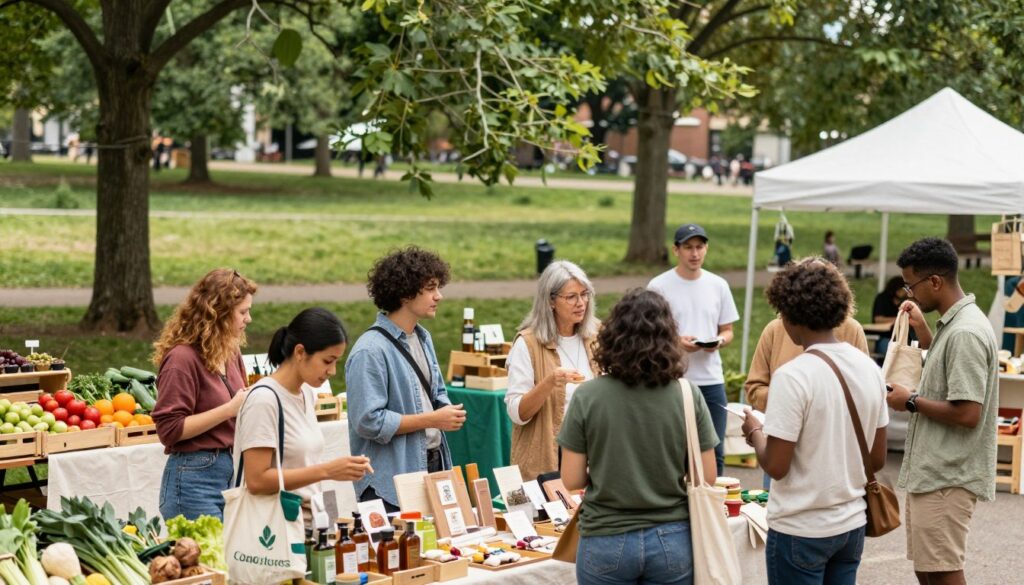
Choosing conscious consumerism means aligning your daily choices with your values. It’s about making choices that reflect what you care about. This supports a fairer economy and shapes the world you want to live in.
Prioritizing Quality Over Quantity
Advancing waste-free living starts with choosing durable items. Opt for products that last, not cheap, disposable ones. This reduces waste and supports a more sustainable lifestyle.
Choosing quality means you buy less over time. You might spend more at first, but save money and resources later. This helps you avoid the constant need to replace and declutter.
Supporting Ethical Brands and Local Businesses
Developing sustainable consumption habits means looking beyond price. Choose brands that value fair labor and the environment. These brands often use recycled materials and reduce carbon emissions.
Local businesses are also key. Shopping locally cuts down on emissions from transportation. It also keeps money in your community, strengthening it.
| Feature | Fast Consumption | Conscious Consumption |
|---|---|---|
| Product Lifespan | Short-term use | Long-term durability |
| Environmental Impact | High waste generation | Minimal footprint |
| Brand Values | Profit-driven | Ethical and transparent |
| Shopping Frequency | Frequent impulse buys | Intentional, planned purchases |
By making informed choices, you support your long-term goals. Every small change helps create a better global market. Be patient as you develop these habits, knowing your choices make a difference.
Embracing Imperfection as Part of the Process
Sustainability is a journey, not a final goal. Your path will have ups and downs. Many people feel stuck by zero waste perfectionism, thinking every action must be perfect. But, aiming for the impossible can lead to burnout, not progress.
Learning from Your Mistakes
See setbacks as chances to learn, not failures. Every time you use a disposable item, you learn about your habits and the challenges of living sustainably. These moments are actually learning opportunities that help you improve your approach.
Instead of feeling ashamed, think about what you can do better next time. Maybe you need to always carry a reusable bag or water bottle. By changing your view, you turn mistakes into strategic improvements in your daily life.
Why One Plastic Bottle Does Not Define You
Feeling like one plastic bottle or forgotten reusable container ruins your whole effort is common. Remember, your worth as an environmental advocate isn’t lost by one mistake. Consistency over time is what truly matters, not being perfect every day.
Your commitment is shown by the many small, thoughtful choices you make all year. One mistake doesn’t undo your hard work or your true desire to help the planet. Keep going with kindness toward yourself, as zero waste perfectionism is not a sustainable lifestyle.
| Mindset Type | Focus Area | Reaction to Setbacks | Long-term Result |
|---|---|---|---|
| Perfectionist | Avoiding all waste | Guilt and frustration | High risk of burnout |
| Growth-Oriented | Consistent progress | Learning and adjustment | Sustainable lifestyle |
| Balanced | Impactful choices | Self-compassion | Lasting environmental change |
Tools and Strategies to Reduce Your Carbon Footprint
You can make a big difference by focusing on progress, not perfection. By valuing effort and awareness, you’ll find sustainable living rewarding, not restrictive. It’s easier to adopt minimal waste habits when you see how they help reduce carbon footprint over time.
Tracking Your Wins Instead of Your Failures
It’s easy to feel down if you can’t avoid all plastic. But, focus on your successes instead. Like remembering your reusable coffee cup or buying in bulk. This positive feedback keeps you going and shows the real impact of your minimal waste habits.
Consider using apps like Earth Hero or a journal to track your progress. Recording your small wins builds momentum. It makes it easier to reduce carbon footprint in your daily life. Every small step helps the planet a lot.
| Tracking Method | Best For | Key Benefit |
|---|---|---|
| Mobile Apps | Data lovers | Automated progress charts |
| Physical Journal | Mindful reflection | Personalized habit notes |
| Shared Spreadsheets | Group accountability | Community goal setting |
Utilizing Community Resources and Support Groups
You don’t have to go it alone. Join local environmental groups or online forums for support. These communities offer tips on local goods and creative reuse.
Sharing your story with others makes sustainable living seem normal. Support groups give you practical advice and knowledge. Being with others keeps you inspired and focused on your environmental goals.
Cultivating Environmental Consciousness Without Burnout
True environmental consciousness grows when you take care of yourself. It’s easy to feel overwhelmed by the need to save the planet. This can lead to burnout, making you feel far from your goals.
Trying to be perfect can push you away from your goals. It’s important to remember that living green is a journey, not a race. Enjoy the process, not just the end result.
Practicing Self-Compassion in Sustainability
Being kind to yourself is key to lasting success. It lets you celebrate your efforts without beating yourself up over small mistakes. This kindness builds your strength to keep going.
Being real in your journey can inspire others more than being perfect. People relate to genuine stories. Your honesty about challenges makes eco-friendly living seem reachable for all.
Finding Joy in the Simple Acts of Reuse
Small choices can bring big satisfaction. Reusing items is a creative way to value what you already have. It’s about finding joy in fixing a jar or mending a shirt.
Embracing these habits keeps your eco-friendly lifestyle balanced. When you enjoy the journey, your commitment becomes a natural part of you. Taking care of your mental health ensures your positive impact lasts.
Celebrating Milestones Along the Way
Every small step toward a greener life is a victory. Focusing only on the end can make you miss the journey. Embracing sustainable living takes patience, and celebrating your progress helps avoid burnout.
Acknowledging How Far You Have Come
It’s easy to forget where you began when trying to improve. Take a moment to reflect on your progress. Maybe you’ve cut down on plastic or started composting.
These changes show a big shift in your environmental consciousness. Acknowledging your wins boosts your motivation and shows your dedication to the planet. Remember, every effort moves you closer to your goal.
Sharing Your Story to Inspire Others
Your journey doesn’t have to be alone. Sharing your successes with loved ones can inspire others to live more sustainably. You don’t have to be flawless to inspire.
Being real about your journey is powerful. Sharing your ups and downs normalizes environmental consciousness in your circle. Your story could be the push someone needs to start their own journey today.
Conclusion
Your journey to a greener lifestyle is a long-term effort, not a quick fix. You have the power to make big changes by focusing on progress, not perfection.
Every small choice you make can make a big difference in reducing your carbon footprint. By choosing to be a conscious consumer, you help the environment in the long run.
You decide what success means to you through your actions. Look for brands like Patagonia or local farmers markets that match your values.
Remember, self-compassion is key when you face challenges. You’re part of a movement that values real change over unattainable goals.
Keep going with confidence in your ability to make a difference. Your efforts inspire others to start their own sustainable journey today.