
Learning about why zero waste is hard is one of the best things you can do for your wallet and the planet — and it starts right here. You’ve probably seen the #ZeroWaste movement on social media. It has nearly 4 million posts on Instagram, making it seem easy and stylish. But, the truth is, modern life makes it hard to follow this trend.
It’s easy to get caught up in wondering why it’s so tough. Finding a balance between convenience and sustainability is a daily struggle. Knowing what gets in your way is the first step to making a difference.
This guide is here to help you on your journey. You don’t have to be perfect to help the planet. By making small, steady changes, you can face these challenges with confidence.
Key Takeaways
- The movement has gained massive popularity as a mainstream lifestyle goal.
- Systemic barriers often make sustainable living feel like a complex challenge.
- Acknowledging these difficulties helps you set realistic expectations for your journey.
- Small, consistent changes are more effective than seeking immediate perfection.
- You can successfully lower your environmental impact through mindful daily habits.
Understanding Why Zero Waste Is Hard
Starting a zero waste journey can feel like fighting a strong tide. It’s easy to feel like your efforts are too small to make a difference. But, remember, for every can of trash you throw away, the system creates 87 cans of materials. This shows that why zero waste is hard is not just about personal failure, but a bigger issue.
The Psychological Barrier of Perfectionism
Many people think they must be perfect to make a difference. This can lead to unnecessary guilt when you can’t avoid trash. Focusing too much on being perfect can make it hard to keep going.
It’s important to understand these zero waste challenges. Instead of aiming for zero, focus on making small, positive changes. Progress is more important than being perfect.
Systemic Obstacles in Modern Retail
Modern stores make it hard to reduce waste. Products are often wrapped in plastic, making it tough to avoid packaging. These zero waste challenges are part of the supply chain, favoring cheap, disposable items over sustainable ones.
It feels like you’re up against a system made for mass consumption. Finding plastic-free options can be like a scavenger hunt. Recognizing these barriers helps you stop blaming yourself for the market’s limitations.
The Convenience Culture Trap
We live in a society that values speed and ease above all else. Convenience is everywhere, from single-use coffee cups to pre-packaged snacks. This culture makes why zero waste is hard for most people.
To break free, you need to slow down and plan ahead. These small changes may feel inconvenient at first. But, they build long-term resilience. By choosing to avoid convenience, you’re making a meaningful shift towards a sustainable future.
Assessing Your Current Waste Footprint
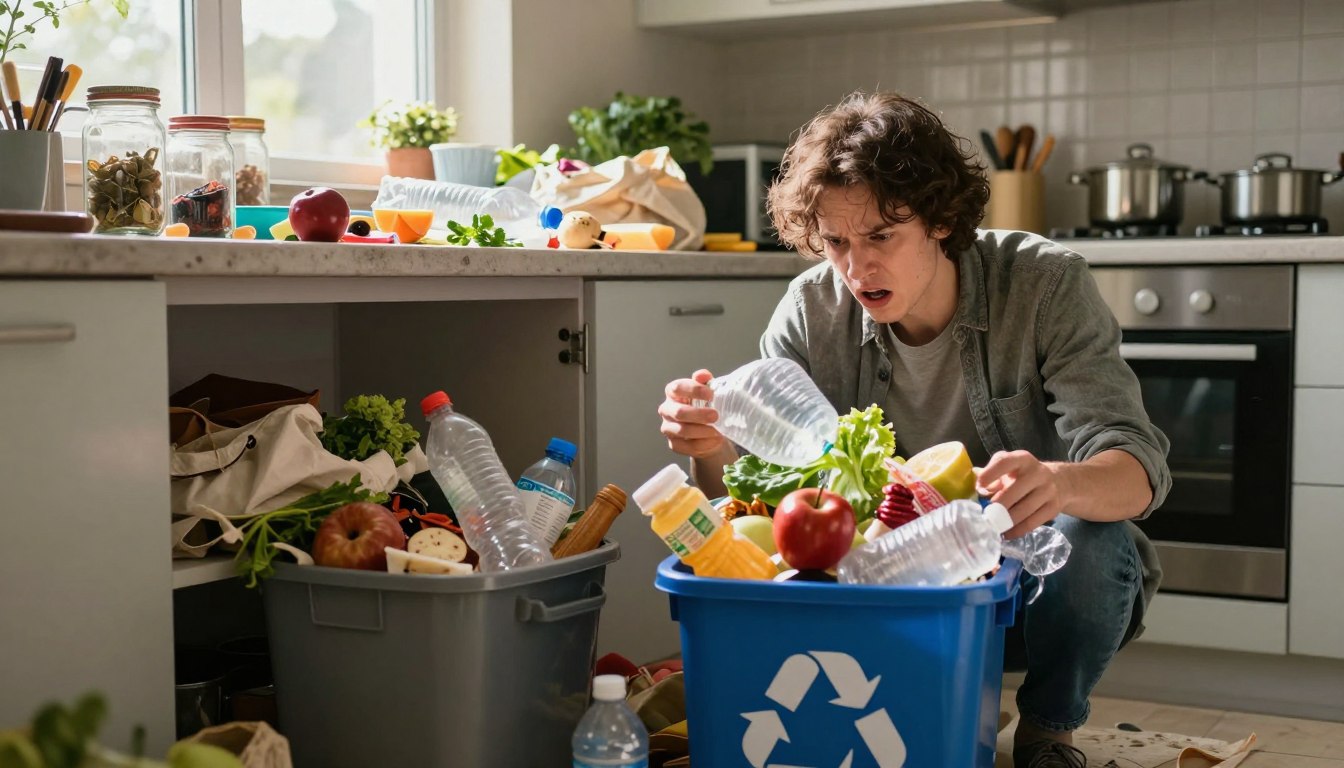
Before you can change your habits, you need to see what ends up in your trash bin. Many people feel overwhelmed by reducing waste struggles because they lack a clear picture of their daily output. By observing your habits, you gain the clarity needed to make lasting changes.
Conducting a Home Waste Audit
A home waste audit is simpler than it sounds. You don’t need to be perfect; just be observant for a few days. Try these steps to get started:
- Collect all your household trash in one central location for three days.
- Sort the items into categories like food scraps, paper, plastic, and glass.
- Note which items appear most frequently in your bin.
Identifying Your Biggest Trash Contributors
Once you have sorted your items, you will likely notice patterns. It is estimated that 85% of what Americans throw away can be recycled or composted. This means most of your trash is not really “trash” but misplaced resources.
Identifying these items is the key to overcoming common waste reduction barriers. Seeing that your bin is full of food scraps or cardboard tells you where to start. This targeted approach helps you avoid feeling overwhelmed.
Setting Realistic Personal Milestones
Don’t try to eliminate every piece of plastic in your home by next week. Instead, set small, achievable goals that build momentum over time. If you notice paper towels are a major contributor, make your first milestone a switch to reusable cloth rags.
By focusing on these manageable steps, you effectively lower the waste reduction barriers that often stop people. Remember, consistency is far more important than perfection when you’re navigating your own reducing waste struggles. Celebrate each small win, as these milestones lead to a more sustainable lifestyle.
Navigating Grocery Shopping Challenges
Going to the store can be tough when you’re trying to live zero waste. Every shelf is filled with plastic and things that can’t be recycled. But, you can change how you see these challenges. They can become steps toward a greener life.

Finding Bulk Bins and Refill Stations
Bulk shopping helps cut down on packaging, but it has its own challenges. For many, carrying heavy containers for a long walk is hard. Don’t be too hard on yourself if you can’t do it.
Look for local co-ops or smaller markets that are closer. Start by choosing items with less packaging, even if they’re not in bulk. Consistency is key when building new habits.
Dealing with Plastic Packaging in Supermarkets
It’s hard to avoid all plastic in regular supermarkets. Remember, your goal is to make progress, not get rid of all plastic at once. Choose cardboard or glass over plastic when you can.
If you buy something in plastic, try to reuse it. Use it for storing scraps or organizing small things. Be kind to yourself as you work through this. Seeing plastic waste as a big problem helps you stay motivated.
Strategies for Planning Meals to Reduce Food Waste
Good meal planning is key to a circular lifestyle. Knowing what you need helps avoid impulse buys and waste. Plan your meals to shop with purpose.
Check your pantry before shopping to avoid buying too much. Use a list or app to keep track of what you have. Reducing food waste saves money and helps the environment, making your journey more sustainable.
Managing Household Waste and Composting
Did you know that 42% of US greenhouse gas emissions come from daily goods? By changing your home habits, you can help reduce waste struggles that harm the environment. Making small changes in how you throw away trash can make a big difference for the planet.
Starting a Simple Kitchen Compost System
Composting is a great way to keep organic waste out of landfills. Even in a small apartment, you can manage food scraps without odors or pests. Countertop compost bins with charcoal filters are great for collecting vegetable peels and coffee grounds.
If you don’t have outdoor space, look for local gardens or drop-off programs. Many cities now collect organic waste at the curb. Composting turns trash into soil, helping reduce waste struggles in your daily life.
Handling Hard-to-Recycle Items
Not all items go in the blue recycling bin. Things like batteries, light bulbs, and some plastics need special care. Check local hazardous waste events or if your hardware store recycles certain items.
Companies like TerraCycle help with non-recyclable items. Being proactive keeps these materials from the trash. This approach is key to reducing waste struggles and keeping your footprint small.
Reducing Paper Towel and Single-Use Plastic Reliance
Switching to durable items instead of disposables reduces clutter. Use washable microfiber cloths or old cotton rags instead of paper towels. These alternatives are better for the environment and save money.
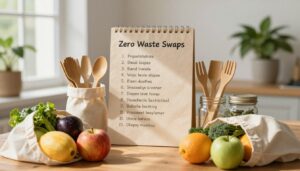
Replace plastic wrap with beeswax wraps or silicone lids. These changes help avoid single-use plastics. The table below shows how to replace common items for a more sustainable home.
| Disposable Item | Sustainable Alternative | Primary Benefit |
|---|---|---|
| Paper Towels | Cotton Rags | Washable and Reusable |
| Plastic Wrap | Beeswax Wraps | Compostable and Natural |
| Plastic Sponges | Wooden Scrub Brushes | Biodegradable Materials |
| Plastic Bags | Canvas Totes | High Durability |
Sustainable Living Difficulties in Social Settings
When friends and family don’t share your green goals, sustainable living difficulties can show up. Feeling left out because you live differently can happen at social events. But, you can stick to your values and still connect deeply with those you care about.
Communicating Your Values Without Alienating Friends
Share your path by focusing on your actions, not judging others. Lead by example to show your choices are positive and rewarding. For example, bringing a dish to a barbecue is a great way to share your lifestyle.
Offering vegan faux meats at a cookout can make plant-based eating seem normal. It shows your choices are about finding tasty new foods, not missing out. Keep the conversation friendly and open to make your friends feel at ease.
Handling Dining Out and Takeout Situations
Going to restaurants while trying to waste less can be challenging. You might feel shy asking for no straw or bringing your own container. But, most servers are happy to help if you’re polite and clear.
When getting takeout, pick places with eco-friendly packaging. If you go there often, ask if you can bring your own containers. These small actions help you tackle sustainable living difficulties while still enjoying meals out.
Navigating Gift Giving and Holiday Traditions
Holidays often mean more stuff, which can be hard when you want to reduce waste. Focus on shared experiences over gifts. Consider gifting tickets to events or a homemade meal instead of something bought.
If you do give physical gifts, choose items that last long. Use reusable fabric or recycled paper for wrapping. This shows your loved ones that thoughtfulness is more valuable than buying a lot.
Budgeting for a Zero Waste Lifestyle
If you think waste reduction barriers are all about money, it’s time to change your mind. Living sustainably doesn’t need a big bank account. In fact, making small changes can save you a lot of money over time.

Debunking the Myth That Sustainability Is Expensive
Many believe eco-friendly living is only for the rich. But it’s not true. Start by buying less and choosing items that last longer. This way, you save money every month by not buying disposable things.
Here are some ways a minimalist budget can help:
- Save on single-use items like paper towels and plastic wrap.
- Lower grocery bills by buying in bulk instead of pre-packaged snacks.
- Make fewer impulse buys by focusing on what you really need.
Investing in Durable Reusable Alternatives
Durable goods might cost more upfront, but they save money in the long run. Think of them as investments in your future, not just expenses. By choosing long-lasting items, you avoid the costs of frequent replacements.
| Item Type | Disposable Cost | Reusable Cost | Long-term Value |
|---|---|---|---|
| Water Bottles | $150/year | $25 (one-time) | High |
| Coffee Filters | $30/year | $15 (one-time) | High |
| Cleaning Cloths | $60/year | $10 (one-time) | High |
Prioritizing Needs Over Trendy Eco-Products
It’s easy to get swept up in trendy eco-products on social media. But these items often just add clutter, not help reduce waste. Always ask if a new purchase really fits into your daily life.
By focusing on what you really need, you avoid unnecessary spending. This keeps your home clutter-free. True sustainability comes from the items you already have and the habits you’ve built, not from buying new gadgets.
Overcoming Environmental Impact Obstacles
Dealing with environmental impact obstacles means changing how we think. We should focus on making progress over time, not expecting to be perfect right away. Starting out, it’s easy to feel overwhelmed by the huge problem of global waste. But remember, your efforts are part of a big movement to make the planet healthier.
Focusing on Progress Rather Than Perfection
Many face sustainable living difficulties because they aim to get rid of all trash at once. But the Zero Waste International Alliance suggests aiming for 90% less waste sent to landfills and incinerators. This goal makes your journey feel more achievable, step by step.
“We don’t need a handful of people doing zero waste perfectly. We need millions of people doing it imperfectly.”
Understanding the Role of Individual vs. Corporate Action
It’s natural to wonder if your actions make a difference when big companies pollute so much. Your personal choices are important for pushing for better products. But, they need to go hand in hand with bigger changes.
| Action Type | Primary Focus | Expected Outcome |
|---|---|---|
| Individual | Personal consumption | Reduced personal footprint |
| Corporate | Supply chain ethics | Systemic waste reduction |
| Community | Local policy | Infrastructure improvements |
Finding Community Support and Local Resources
You don’t have to face sustainable living difficulties by yourself. Joining local groups can give you the support and tips you need. Many places have shared tools, repair cafes, and bulk-buying groups that make living sustainably easier.
Being part of these networks lets you tap into shared knowledge and strength. Remember, tackling environmental impact obstacles is easier with others. Your dedication, backed by a strong community, can lead to lasting change that goes beyond your home.
Building Long-Term Habits for Success
Creating lasting habits is key to making eco-friendly choices a part of your life. By doing so, you help make a big difference globally. By 2030, we could cut greenhouse gas emissions by over 400 million metric tons of CO2 each year. Your consistent efforts are crucial in overcoming environmental impact obstacles.
Creating Sustainable Routines That Stick
To keep your new habits going, make them part of your daily routine. Try habit stacking, which means adding a new eco-friendly action to something you already do every day. For instance, keep your reusable grocery bags next to your car keys so you never forget them.
It’s more important to be consistent than to do a lot at once. You don’t have to change everything at once to see progress. Start with one small habit and make it a part of your life before moving on to the next one.
Learning to Repair and Repurpose Items
See broken items as chances to learn new skills. Learning to sew, glue wood, or fix electronics can make your things last longer. This way, you move away from the throwaway culture that’s common today.
If something can’t be fixed, find a new use for it. Old shirts can become cleaning rags, and glass jars can store food. Being creative with what you have helps reduce waste.
Celebrating Small Wins Along the Way
Staying motivated is key when facing environmental impact obstacles. It’s okay if you’re not perfect; every small success helps. Celebrate your achievements, like composting for a month or finding a refill station.
Recognizing your progress keeps you motivated and shows your dedication. Remember, your actions are part of a bigger movement for the planet.
| Habit Type | Short-Term Focus | Long-Term Benefit |
|---|---|---|
| Repairing | Saves immediate money | Reduces landfill waste |
| Composting | Reduces kitchen trash | Enriches local soil |
| Refilling | Avoids plastic bottles | Lowers carbon footprint |
| Repurposing | Declutters your home | Conserves raw materials |
Conclusion
Choosing a low-impact lifestyle is a big step for our planet’s health. You now have the tools to overcome the challenges that make it hard.
Knowing why zero waste is tough helps you be patient with your daily habits. See each obstacle as a chance to improve, not a reason to give up.
Companies like Patagonia and Seventh Generation show that caring for the planet is possible. Your choices tell these companies what you expect from them.
Look at the progress you make each day. Small changes in your life can make a big difference for your community and the planet.
Keep finding new ways to lessen your impact. You’re part of a movement that values the planet’s health over quick fixes. Stay curious and keep pushing for a world that works for everyone.