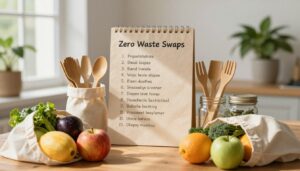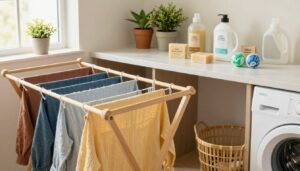
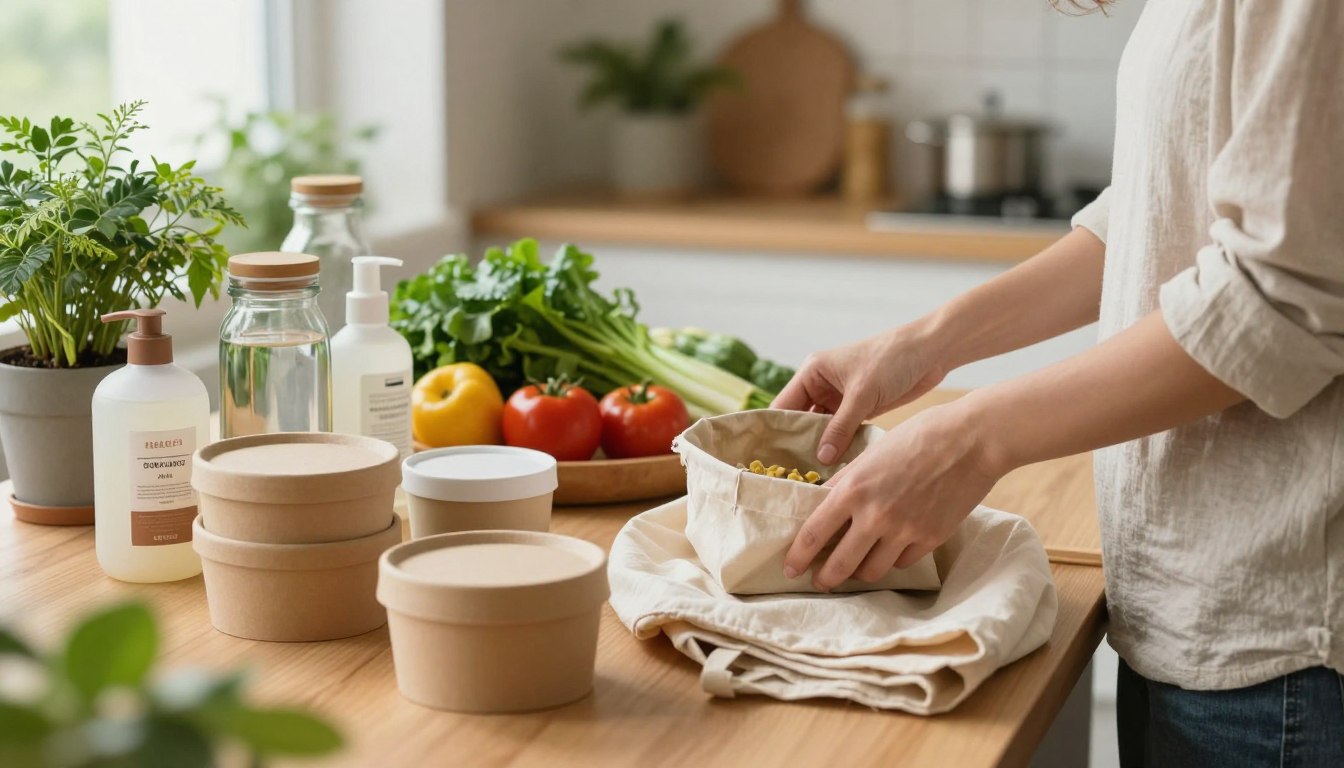

The push for sustainable living has grown a lot in the last ten years. More people want to help the planet by cutting down on daily waste. This beginner’s guide to zero waste living shows a clear way to start.
According to the EPA’s waste and recycling data, small everyday changes at home add up to significant environmental impact.
Maybe you’re unsure where to start zero waste without feeling like you need to be perfect. Remember, this path is about making small, meaningful changes. It’s not about being flawless.
Everyone’s situation is different, so your journey will be unique. Starting a zero waste lifestyle is a personal journey of learning and growth. By adopting simple habits, you can help the environment and make your life simpler.
Key Takeaways
- Sustainability is a journey, not a race toward perfection.
- Small, intentional actions lead to significant environmental benefits.
- Your approach should fit your unique lifestyle and household needs.
- Focus on reducing consumption rather than just recycling items.
- Consistency matters more than achieving an immediate, total impact.
Understanding the Zero Waste Philosophy
The zero waste movement is simpler than you might think. While some people aim to fit a year’s trash in a jar, this is not for everyone. It’s about making small changes in our daily lives.
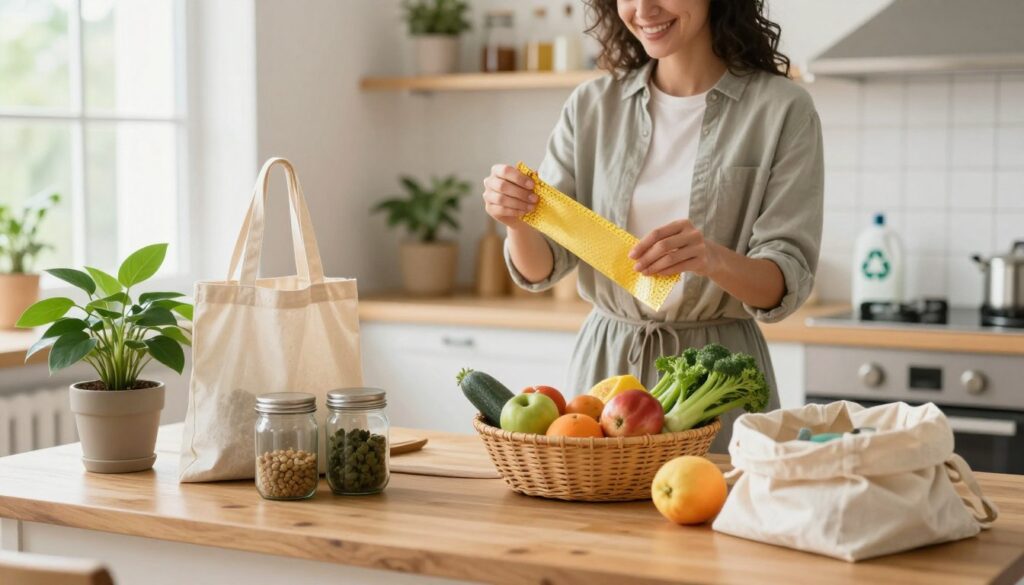
This philosophy focuses on mindful consumption and valuing our resources. By following the 5Rs—Refuse, Reduce, Reuse, Recycle, and Rot—you can start reducing waste easily. It’s all about making small changes that add up.
 zero waste tips for beginners” title=”zero waste tips for beginners” width=”800″ height=”457″ class=”aligncenter size-large wp-image-292″ />
Defining Your Personal Sustainability Goals
Sustainability means different things to different people. It depends on where you live, how much you spend, and your lifestyle. Start by figuring out where you waste the most, like grocery shopping or personal care.
Setting small, achievable goals keeps you motivated. Use sustainable living tips to track your progress. For example, keep a log of items you no longer need to buy.
| Goal Category | Initial Step | Long-term Impact |
|---|---|---|
| Kitchen Waste | Composting scraps | Reduced landfill methane |
| Shopping Habits | Using cloth bags | Less plastic pollution |
| Personal Care | Solid soap bars | Zero plastic packaging |
The Importance of Progress Over Perfection
It’s normal to feel discouraged if you can’t stop all waste right away. Remember, consistent effort is more important than being perfect from the start.
There are many zero waste resources for beginners to help you. Start with one small change at a time. Celebrate the good you’re doing for the planet.
Where to Start Zero Waste in Your Kitchen
If you’re wondering where to start zero waste, start with your pantry. The kitchen is a big source of trash. By changing your kitchen habits, you can greatly reduce waste.
Assessing Your Current Waste Habits
Before buying new items, check what you throw away. Watch your trash for a week to find easy ways to reduce waste at home. Look at plastic wrap, paper towels, and snack packaging.
Keep a log of what fills your trash bin fast. You might find that convenience items are the biggest problem. Then, replace them with better options.
Swapping Single-Use Plastics for Reusable Alternatives
Switching to reusable items is a big step towards zero waste. You don’t need to change everything at once. Start with the items you use every day.
Choosing Glass Jars and Stainless Steel Containers
Glass jars are great for storing dry goods like grains and pasta. They’re durable and keep food fresh. Stainless steel containers are perfect for leftovers or lunches, as they’re light and strong.
Implementing a Simple Composting System
Food waste is a big part of household trash. Composting turns this waste into soil for your garden. Start with a small bin or a backyard pile for your scraps.
Reducing Food Waste Through Mindful Meal Planning
Planning meals helps you buy only what you need. Shopping with a list avoids impulse buys. This saves money and keeps your kitchen tidy.
- Check your pantry before going to the store.
- Plan meals around what you already have.
- Store produce right to make it last longer.
By taking these simple steps to go zero waste, you can live more sustainably. Remember, every small change helps the planet.
Sustainable Habits for Your Bathroom and Personal Care
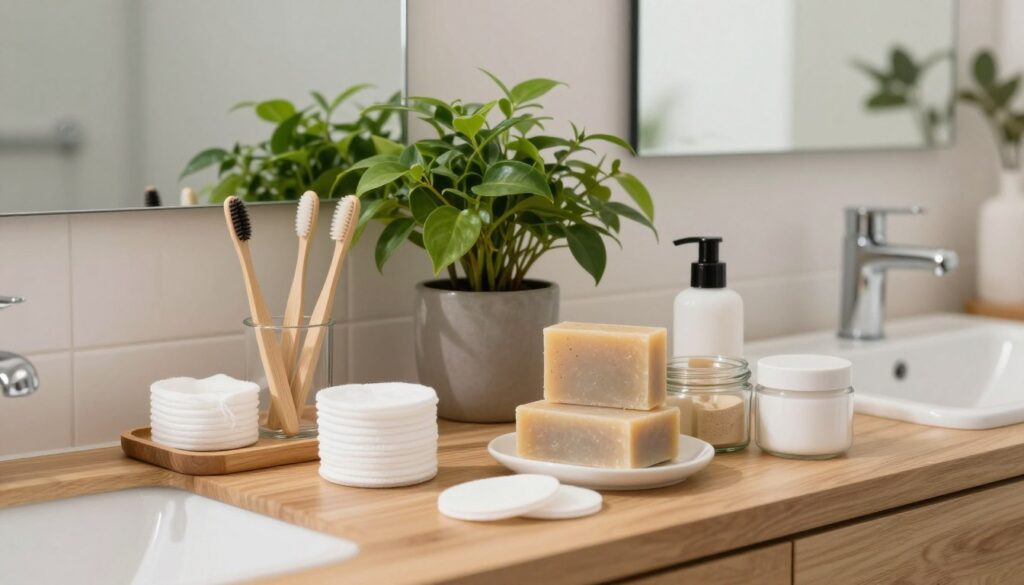
Your bathroom is a big source of hidden plastic waste. Many products, like menstrual pads, are mostly plastic. To start reducing waste, look for single-use items in your cabinets.
Transitioning to Plastic-Free Toiletries
Switching to plastic-free toiletries is rewarding. Solid versions of liquids reduce trash. These changes are easy and can save money.
Selecting Solid Shampoo and Conditioner Bars
Solid shampoo and conditioner bars are great alternatives. They last longer and don’t need bulky packaging. Choose natural ingredients for healthy hair and a greener planet.
Switching to Bamboo Toothbrushes and Refillable Floss
Plastic toothbrushes can’t be recycled and harm the environment. Bamboo toothbrushes are a better choice. Look for refillable floss for a complete sustainable dental care kit.
Creating a Minimalist Skincare Routine
You don’t need many products for healthy skin. Focus on a few high-quality ingredients like jojoba oil or aloe vera. These items are versatile and affordable.
By simplifying your skincare, you avoid harsh chemicals and plastic. These easy ways to reduce waste at home will make your skin glow and clear your conscience.
Reducing Waste While Shopping and On the Go
Starting your journey to a cleaner lifestyle is easier when you’re ready for life on the move. By using sustainable living tips for your daily tasks, you can greatly reduce your impact on the environment. These simple steps to go zero waste make it easy to stay green, even when you’re not at home.
Mastering the Art of Bulk Shopping
Bulk aisles are a treasure trove for cutting down on packaging waste. Before you shop, weigh your empty jars or cloth bags. This way, you can get the product’s weight subtracted from the total, so you only pay for what’s inside.
Bringing Your Own Produce Bags and Containers
Forget the flimsy plastic bags for your fruits and veggies. Use lightweight cotton or mesh bags instead. Keep a few in your car or bag so you’re always prepared. Buying in bulk, like grains and spices, helps you avoid waste at home.
“The greatest threat to our planet is the belief that someone else will save it.”
Building Your Zero Waste Travel Kit
A portable kit is key for keeping up your green habits on the go. Put together a small pouch with bamboo utensils, a cloth napkin, and a stainless steel straw. This way, you can say no to single-use plastics at cafes or food courts.
Essential Items for Your Daily Commute
Use your commute to practice mindfulness. Keep a bag by your door with your reusable items. This habit helps you avoid disposable items on busy mornings.
Choosing Reusable Water Bottles and Coffee Cups
Getting a good insulated water bottle and travel coffee cup is a big plus. They save you money and keep your drinks hot or cold for hours. When buying drinks, think about the packaging. For example, a box of wine is lighter than four bottles, making it a better choice for transport.
| Item | Single-Use Impact | Reusable Benefit |
|---|---|---|
| Water Bottle | High plastic waste | Long-term savings |
| Coffee Cup | Non-recyclable lining | Better insulation |
| Produce Bag | Pollutes ecosystems | Washable and durable |
By following these simple steps to go zero waste, every trip becomes a chance for positive change. Making eco-friendly choices becomes second nature with consistent practice of these sustainable living tips.
Conclusion
Starting a waste-free lifestyle is a journey, not a goal. By following these beginner tips, you help protect our planet. It’s a rewarding step.
Every small change you make adds up over time. You join a global effort to save resources and think before we buy. These habits are the start of a greener future for all.
Keep looking for new ways to lessen your impact. There are many resources available to help you. Places like EarthHero and Package Free Shop can guide you in making eco-friendly choices daily.
Don’t be afraid to share your journey with others. Your efforts can inspire change in your community. Keep going, knowing you’re making a difference in creating a cleaner world.