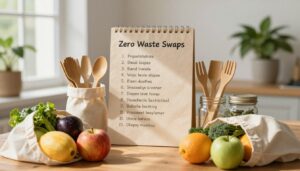
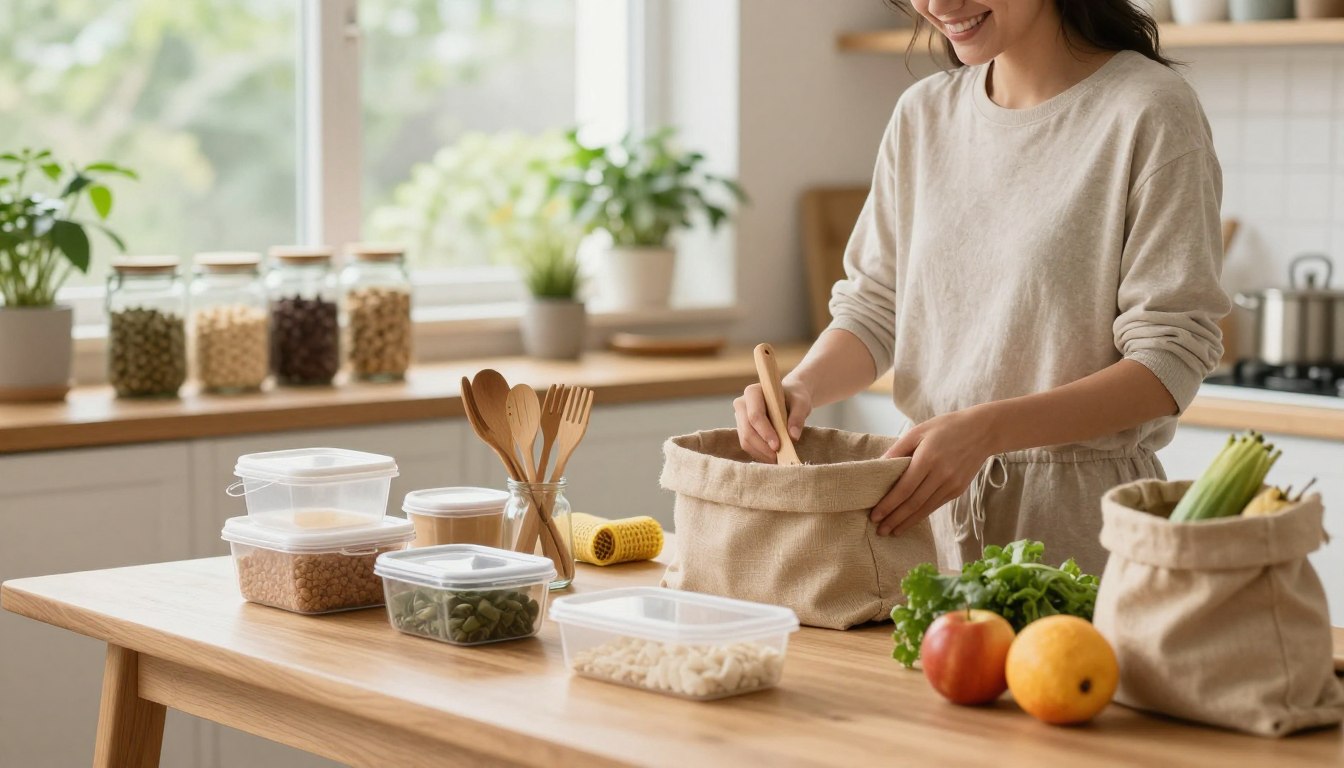

If you want practical how to start zero waste advice that fits a real budget, you’re in exactly the right place. Ever looked at your trash bin and felt uneasy? You’re not alone in wanting a cleaner planet. Small actions can make a big difference.
According to the EPA’s waste and recycling data, small everyday changes at home add up to significant environmental impact.
Starting zero waste habits doesn’t mean you have to be perfect right away. It’s about making choices that reflect your values. By focusing on progress, you can change your daily life to help the environment.
This guide gives practical strategies for zero waste beginners. We’ll look at easy changes that help the planet and make your life simpler. By making these choices, you help the earth, one decision at a time.
Key Takeaways
- Focus on consistent progress rather than achieving immediate perfection.
- Small, daily habit changes lead to significant long-term environmental benefits.
- Transitioning is a personal journey that simplifies your lifestyle.
- Actionable steps help reduce the feeling of being overwhelmed by sustainability.
- Mindful consumption is the foundation of an eco-conscious existence.
Understanding the Zero Waste Concept
To live a zero waste lifestyle, you need to understand its core idea. It’s not just about putting all your trash in a small jar. It’s about changing how you think about using things.
The goal is to send as little trash to landfills as possible. Experts say you should aim to divert 90% or more of your waste.
What is Zero Waste?
Zero waste is about managing resources better. It’s about making your life so materials are reused, not thrown away.
By choosing to live intentionally, you see items as valuable, not disposable. You want them to keep being used for as long as they can.
The Importance of Reducing Waste
Using waste reduction strategies is key for our planet’s health. Reducing trash lowers the need for raw materials and energy.
This helps save natural resources and cuts down on greenhouse gas emissions from landfills. Every small change helps the environment a lot.
Key Principles of Zero Waste
To live a zero waste lifestyle, follow some key principles. These waste reduction strategies guide your daily choices:
- Refuse: Don’t take single-use items like plastic straws or free stuff.
- Reduce: Buy only what you really need to cut down on waste.
- Reuse: Pick durable items over disposable ones.
- Recycle: Use recycling only when you can’t refuse or reuse something.
- Rot: Compost food scraps to enrich the soil.
By following these steps, you move towards a more sustainable future. Being consistent is crucial to make these habits a part of your life.
Assessing Your Current Waste Habits
You can’t manage what you don’t measure, and that’s true for trash. Before you can reduce waste at home, you need to know your current habits. This step gives you the data to make real changes.
Track Your Waste
Begin by logging everything you throw away for a week. Don’t change your habits yet; just observe. You might be shocked at how much paper, food, or packaging you toss daily.
Using a notebook or app helps you sort these items. This intentional observation is key to a zero waste lifestyle. By recording your waste, you turn vague habits into clear facts.
Identify Waste Sources
After logging your waste, look for patterns. Many homes find single-use plastics are a big problem. Only 9% of all plastic waste is recycled.
“The greatest threat to our planet is the belief that someone else will save it.”
Finding these sources helps you tackle the biggest issues first. Whether it’s plastic bottles or too much packaging, knowing where it comes from is crucial. Use the table below to sort your findings and plan your next steps.
| Waste Category | Common Examples | Reduction Potential |
|---|---|---|
| Single-use Plastics | Water bottles, straws | High |
| Food Scraps | Peels, leftovers | Medium |
| Paper Products | Junk mail, receipts | High |
Reflect on Your Lifestyle
Think about why these items end up in your trash. Are you choosing convenience or just not knowing better options? Embracing a zero waste lifestyle means changing your mindset, not just your shopping.
Consider how your daily life affects your waste. Understanding your reasons makes it easier to reduce waste at home. This self-reflection helps your efforts be lasting and true to your values.
Setting Realistic Goals for Your Zero Waste Journey
Starting a journey toward sustainable living needs a clear plan to avoid feeling overwhelmed. Trying to change everything at once can make you lose motivation. By taking it one step at a time, you can create a pace that fits your lifestyle.
Choose Small, Achievable Goals
Many zero waste beginners feel the need to get rid of all trash at once. But, lasting change comes from small, consistent steps, not big changes. Start by focusing on one area, like the kitchen or bathroom.
Here are some easy steps to start:
- Switching to a reusable water bottle for your daily commute.
- Replacing plastic produce bags with cloth alternatives at the grocery store.
- Committing to one meat-free meal per week to reduce packaging waste.
Long-term vs. Short-term Goals
It’s important to know the difference between your short-term and long-term goals. Short-term goals give you instant gratification and keep you motivated. These could be things like using up a roll of paper towels and not buying another.
Long-term goals are about your bigger environmental impact. You might aim to cut your household trash by fifty percent in a year. Having both types of goals helps you stay focused on your sustainable living goals.
Celebrate Your Progress
It’s key to celebrate every victory, no matter how small. Celebrating your progress helps build good habits and keeps you excited. Whether it’s composting for a month or remembering your reusable bags, take time to appreciate your efforts.
Remember, zero waste beginners will face setbacks, and that’s okay. Instead of aiming for perfection, focus on how far you’ve come. Your commitment to the planet is a big step toward a cleaner world.
Making Sustainable Swaps in Your Home
Adopting eco-friendly tips is crucial for your health and the planet. Studies show microplastics in human blood, lungs, and breast milk. This highlights the need to ditch single-use plastics for safer, longer-lasting options.
By focusing on prioritizing your well-being, you can turn your home into a sustainable living haven. Making these changes is key to a healthier home for you and your family.
Reusable Bags and Bottles
Stopping disposable items is a simple way to reduce waste at home. Choosing durable, reusable items keeps thousands of pieces of trash out of your kitchen each year.
- Carry a sturdy canvas tote for all your grocery trips.
- Keep a stainless steel or glass water bottle in your bag at all times.
- Use silicone food covers instead of plastic wrap to keep leftovers fresh.
Bulk Buying and Package-Free Shopping
Packaging contributes to clutter and environmental damage. Buying in bulk cuts down on plastic containers and cardboard boxes.
Many local markets let you bring your own jars or cloth bags for items like grains, nuts, and spices. This change helps you take control of your consumption and supports local businesses that care about the planet.
DIY Household Products
Many cleaning supplies come in plastic bottles with harsh chemicals. You can make your own cleaners with natural ingredients from your pantry.
Mixing white vinegar, baking soda, and essential oils is a great way to clean without plastic waste. These eco-friendly tips save money and keep you away from harmful chemicals. By making these changes, you help reduce waste at home and live more sustainably every day.
Reducing Food Waste in Your Kitchen
Did you know that nearly 24% of all landfill waste comes from food scraps? The kitchen is a big source of waste, but it’s also where you can make a big difference. By using simple waste reduction strategies, you can use your resources better and help the planet.
Meal Planning and Preparation
Planning your meals helps you avoid buying too much food. Before you go shopping, check what you already have at home. This way, you won’t buy things that might go bad.
When you get home, prep your ingredients. Wash, chop, and portion your veggies right away. This makes them easy to use later and helps prevent waste.
Proper Food Storage Techniques
Knowing how to store food can make it last longer. Some foods do better on the counter than in the fridge. Use airtight containers or beeswax wraps to keep food fresh longer than plastic bags.
| Food Item | Best Storage Location | Shelf Life Tip |
|---|---|---|
| Leafy Greens | Refrigerator Crisper | Wrap in a dry paper towel |
| Potatoes | Cool, Dark Pantry | Keep away from onions |
| Berries | Refrigerator | Wash only before eating |
“The best way to reduce waste is to value the food you have and treat every ingredient as a precious resource.”
Composting Basics
Even with careful planning, some waste is unavoidable. Composting is a great way to deal with food scraps like fruit peels and eggshells. It turns waste into soil that’s good for your garden.
You don’t need a big yard to compost. Small bins or vermicomposting systems work well in urban areas. These waste reduction strategies help you turn kitchen waste into something useful for your garden or community projects.
Embracing Minimalism in Your Life
Minimalism and zero waste share a common goal: living with intention. By simplifying your space, you make it easier to reduce waste at home. This approach helps you see what’s truly essential for a happy life.
Decluttering Your Space
Begin by sorting through your living area. Identify items that don’t serve a purpose anymore. Clearing out clutter lets you see what you have, preventing unnecessary buys. Clutter often hides what we already own, causing us to buy things we don’t need.
“The question of what you want to own is actually the question of how you want to live your life.”
Mindful Consumption Practices
Mindful consumption is about valuing what you already have. Before buying something new, ask if it’s really needed. This mindset is key to eco-conscious living and stops the endless cycle of buying.
Here’s a table to check your shopping habits:
| Habit | Impact | Minimalist Approach |
|---|---|---|
| Impulse Buying | High Waste | Wait 48 Hours |
| Bulk Purchasing | Low Waste | Buy Only Essentials |
| Fast Fashion | High Waste | Quality Over Quantity |
The Benefits of a Minimalist Lifestyle
Minimalism brings mental and environmental benefits. Having fewer things can reduce stress and free up time for experiences. It also naturally leads to less waste, as you use fewer resources.
Choosing minimalism supports eco-conscious living. It’s about valuing quality over quantity, creating a sustainable space. Living with less is truly living with more.
Connecting with Your Community
Building a greener future is easier with a supportive network. You don’t have to go it alone. Connecting with others offers inspiration and practical advice. Engaging with neighbors is key to a broader culture of eco-conscious living.
Local Zero Waste Groups
Joining a local group helps you share tips on waste challenges. These groups are great for sharing resources and advice. Collaboration is the secret ingredient for lasting habits.
“Individual commitment to a group effort—that is what makes a team work, a company work, a society work, a civilization work.”
Community Events and Workshops
Workshops are a great way to learn new skills, like composting. They offer hands-on experience you can’t find online. By attending, you help build a local culture of eco-conscious living and meet like-minded people.
- Attend local repair cafes to fix broken electronics or clothing.
- Participate in community garden days to learn about local food production.
- Join swap meets to trade items instead of buying new ones.
Supporting Local Businesses
Your buying power can drive change. Supporting local, sustainable businesses strengthens your community’s environmental commitment. Look for shops with:
- Refill stations for household cleaners and soaps.
- Produce from nearby farms to cut down on emissions.
- Policies that encourage customers to bring their own containers.
Shopping locally builds a resilient economy that values eco-conscious living. Every dollar spent sends a message that your community cares about the planet.
Educating Yourself and Others
Knowledge is a powerful tool for change in your journey to sustainability. Learning is an ongoing process that helps you make better choices. It also helps you influence those around you. By staying informed, you can improve your habits and live more sustainably every day.

Resources for Learning
To learn more about environmental issues, explore credible sources. Books, documentaries, and websites offer insights into reducing waste. Here are some great resources to start with:
- Documentaries: Films like “The True Cost” or “A Plastic Ocean” show the impact of waste.
- Books: “Zero Waste Home” by Bea Johnson gives practical advice.
- Online Platforms: Sites like Earth911 or local environmental websites offer tips for your area.
Inviting Friends and Family to Join
You don’t have to go it alone. Inviting friends and family to join you can make a bigger impact. Encouragement works better than criticism when inspiring others to change.
Begin by hosting a small gathering to show off simple swaps, like cloth napkins or DIY cleaners. Seeing how easy and rewarding eco-conscious living is, people are more likely to join in. Emphasize the benefits, like saving money and reducing clutter, to make it appealing.
Sharing Your Zero Waste Journey Online
Sharing your journey on social media can inspire others. You don’t have to be perfect to share your story. Showing your challenges makes your journey relatable. Posts about your successes and mistakes encourage others to start their own sustainable path.
Use your platform to highlight local businesses that support your goals or share simple tips. Documenting your efforts shows your impact. This transparency builds accountability and encourages others to start their own green journey.
Overcoming Challenges in a Zero Waste Lifestyle
Starting a sustainable lifestyle can be tough. It’s normal to feel overwhelmed at first. Remember, you don’t have to be perfect to make a difference.
Common Obstacles You Might Encounter
One big challenge is the love for convenience. Our society is filled with single-use items that harm the environment. You might also face pressure from friends who don’t share your zero waste lifestyle goals.
It can be hard to say no to things in social situations. Refusing plastic straws or disposable cutlery might make you feel like an outsider. But, your choices show your values, even if others don’t get it right away.
Solutions and Tips for Success
Focus on waste reduction strategies that work for you. Plan ahead to avoid disposable products. This way, you’re always ready with your reusable items.
Small actions can lead to big changes. For example, raising your A/C by 2F can save a lot of CO2. These eco-friendly tips show you can make a difference without changing everything at once.
| Challenge | Immediate Action | Long-term Strategy |
|---|---|---|
| Convenience Culture | Carry a reusable kit | Support sustainable brands |
| Social Pressure | Politely decline items | Lead by example |
| High Energy Use | Adjust thermostat | Improve home insulation |
Staying Motivated
To keep going, change your mindset. Focus on what you’ve achieved, not what you can’t do. Every small step helps towards a zero waste lifestyle.
Track your successes to stay motivated. Celebrate every small victory, like saving a jar or using new waste reduction strategies. By focusing on your growth, these eco-friendly tips will become second nature, making your journey fulfilling.
Continuing Your Zero Waste Journey
Your journey to a cleaner planet grows as you learn more. Embracing sustainable living means being open to change and growth. It’s a journey that evolves over time.
Refining Your Personal Goals
Check your habits every few months to see what works. Adjusting your goals keeps you focused on reducing waste. Small changes in your daily life can have big effects on the environment.
Seeking Modern Solutions
New tech and products from companies like Package Free Shop help reduce waste. Look for creative ways to reuse items and buy without plastic. Staying curious about new methods keeps your journey exciting.
Sharing the Movement
Your actions inspire friends and family. By sharing your progress, you help others start their zero waste journey. Every choice you make helps create a healthier world. Keep moving forward with confidence in your commitment to the earth.