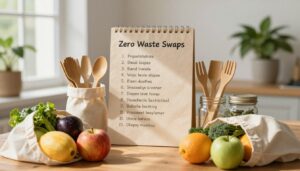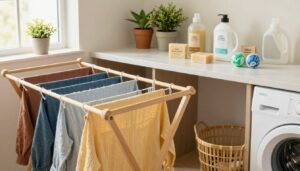

Living green doesn’t have to cost a lot or feel too hard. Many think going green means a big change, but it’s simpler. By picking affordable zero waste swaps, you can help the planet and save money too.
According to the EPA’s waste and recycling data, small everyday changes at home add up to significant environmental impact.
Consistency is the secret to real change. You don’t have to be perfect to make a difference. Simple habits, like using a reusable water bottle, can stop hundreds of plastics from ending up in landfills every year.
Starting your journey to a sustainable home is easier than you might think. Replacing single-use items with durable ones saves you money. These small changes have a big impact on your wallet and the planet.
Key Takeaways
- Small, consistent changes are more effective than seeking immediate perfection.
- Sustainable living helps you save money by reducing reliance on disposable goods.
- Reusable items prevent hundreds of plastic pieces from entering landfills annually.
- Transitioning to eco-friendly habits is a gradual process that fits any budget.
- Simple habit shifts lead to a significant reduction in your personal environmental footprint.
The Philosophy of Budget-Friendly Sustainability
Sustainability is about making small changes that add up over time. You don’t have to be perfect to make a difference. Just start where you are.
By focusing on imperfect progress, you can live sustainably without feeling overwhelmed. You don’t need to buy expensive gear to do it.
The movement succeeds when millions of people make imperfect progress rather than a few striving for perfection.
Understanding the Long-Term Savings of Reusables
Many think going green costs a lot upfront. But, long-term value shows that many budget-friendly sustainable alternatives save money in months. Durable items stop the need to constantly buy new ones.
It’s like investing in your future. A cloth napkin might cost more than a paper one. But it can last for years. This simple switch is a great wallet-friendly environmental choice for your budget.
How to Audit Your Current Waste Habits
Before buying anything new, check your trash. Seeing what you throw away most often helps you spend wisely. You might find you’re wasting money on items that don’t really help you.
Track your purchases for a week. If you see a lot of plastic or paper waste, focus on changing that. Auditing your habits means your limited resources are used wisely to reduce your environmental impact.
Prioritizing Needs Over Trendy Eco-Products
The market is full of expensive, trendy green products you might not need. It’s easy to get caught up in the latest bamboo gadget or designer glass bottle. But true sustainability is about using what you already have before buying something new.
Always question if a product is really necessary or just a trend. Skipping unnecessary buys is the best way to make wallet-friendly environmental choices. By choosing wisely, you can find budget-friendly sustainable alternatives that match your values without breaking the bank.
Essential Affordable Zero Waste Swaps for Your Kitchen
Turning your kitchen green is simple and won’t break the bank. By choosing budget-friendly sustainable alternatives, you can reduce waste and save money. The kitchen is a big source of trash, making it a great place to start.
Replacing Single-Use Paper Towels with Cotton Rags
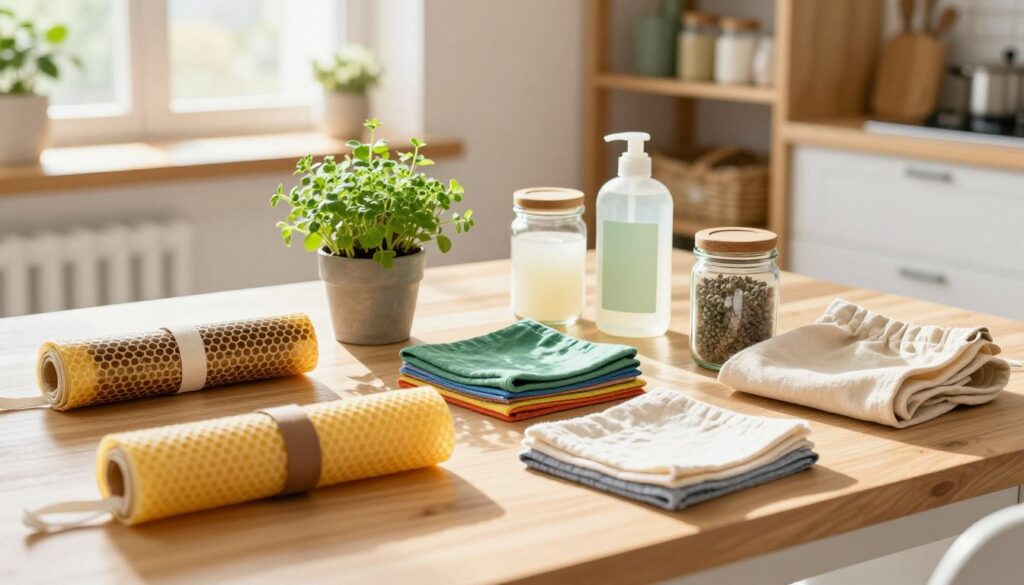
Paper towels cost a lot and fill up your trash fast. Use old cotton clothes cut into squares as reusable cleaning cloths. They soak up a lot, wash well, and are free if you use what you already have.
Switching to Glass Jars for Bulk Food Storage
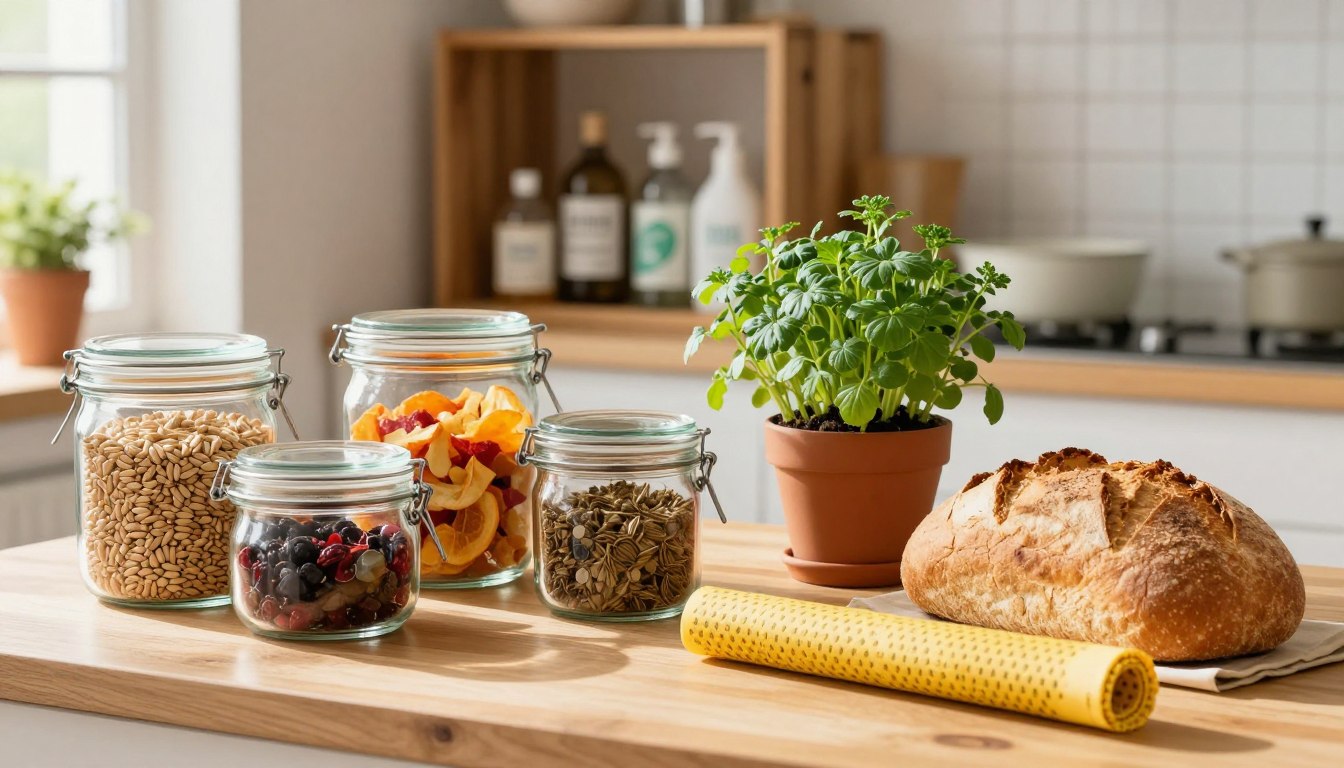
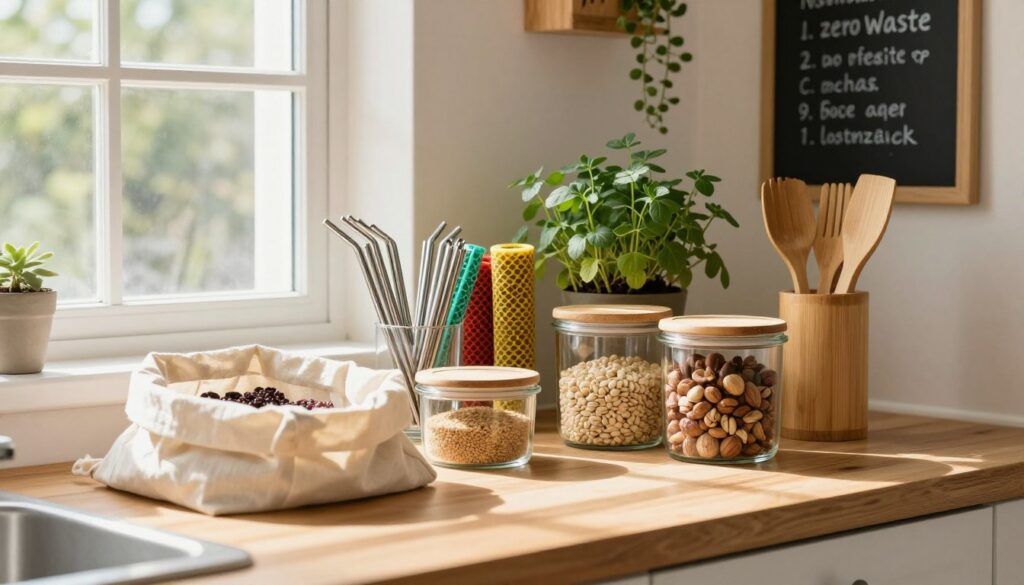
Plastic bags and containers break down quickly, adding to waste. Glass jars are a better choice because they last long, are safe, and clean easily. Buying food in bulk and storing it in these jars can save you money.
Utilizing Beeswax Wraps Instead of Plastic Cling Film
Plastic wrap is hard to recycle and often ends up in landfills. Beeswax wraps are a natural, breathable option that keeps food fresh longer. They’re a great affordable eco-conscious swap that lasts for months with care.
DIY Beeswax Wrap Instructions
Making your own wraps at home can save you even more. Just use 100% cotton fabric, add beeswax pellets, and bake until the wax melts. Let it dry a bit before using it for the first time.
“The greatest threat to our planet is the belief that someone else will save it.”
Choosing Stainless Steel or Silicone Food Containers
Buying durable stainless steel or silicone containers means no more disposable bags. These are light, won’t break, and great for lunches or leftovers. Here’s how they compare to disposable options.
| Item | Disposable Cost (Yearly) | Reusable Cost (One-time) | Lifespan |
|---|---|---|---|
| Paper Towels | $150 | $0 (Upcycled Rags) | Years |
| Plastic Wrap | $40 | $15 (Beeswax) | 1 Year |
| Sandwich Bags | $60 | $25 (Silicone) | 5+ Years |
Low-Cost Zero Waste Solutions for Personal Care
Starting a zero-waste lifestyle is easy with small daily choices. Many bathroom products come in single-use plastics that are hard to recycle. By picking eco-friendly swap options, you can make your bathroom green and save money.
Transitioning to Shampoo and Conditioner Bars
Shampoo and conditioner bars are great alternatives to liquid products in plastic bottles. They last longer, saving you money in the long run. Plus, they’re lightweight and don’t need water, cutting down on shipping carbon.
Using Safety Razors for a Lifetime of Shaving
Disposable plastic razors add a lot to landfills every year. A stainless steel safety razor is a smart low-cost zero waste solution. It costs more upfront, but you only need to replace the blades, saving money over time.
Switching to Bamboo Toothbrushes and Natural Floss
Most plastic toothbrushes aren’t recycled and often end up in oceans. Using a bamboo toothbrush is a simple way to cut down on plastic. Pair it with silk or corn-based floss for a plastic-free dental routine.
Making Your Own Simple Skincare Products
Homemade skincare avoids harsh chemicals and lots of packaging. These affordable eco-conscious swaps are easy to make with pantry staples. Often, homemade products work better and cost less than store-bought ones.
DIY Sugar Scrub Recipe
Mix one cup of sugar with half a cup of coconut oil for a gentle scrub. Add a few drops of essential oil for scent. Use a repurposed glass jar for a luxurious spa feel at home.
DIY Natural Deodorant Basics
Make a paste with equal parts baking soda, arrowroot powder, and coconut oil. This natural mix keeps you fresh without plastic or synthetic fragrances. It’s a simple way to stay odor-free with a minimalist routine.
| Product Type | Traditional Option | Zero Waste Alternative | Primary Benefit |
|---|---|---|---|
| Hair Care | Plastic Bottles | Shampoo Bars | Reduced Plastic |
| Shaving | Disposable Razors | Safety Razors | Cost Savings |
| Dental | Plastic Brush | Bamboo Brush | Biodegradable |
| Skincare | Store-bought Scrub | DIY Sugar Scrub | Chemical-Free |
Economical Plastic-Free Products for Household Cleaning
You can keep your home clean without using expensive, harmful chemicals. Many cleaners come in plastic bottles that harm our planet. But, there are low-cost zero waste solutions in your kitchen. Making small changes helps your wallet and the environment.
Harnessing the Power of Vinegar and Baking Soda
White vinegar and baking soda are a great team for a clean home. These cost-effective green swaps can replace many cleaners. Vinegar fights grease and mineral buildup, while baking soda is a gentle scrub.
Together, they create a fizz that breaks down grime in drains or on tile. Buying these in bulk saves you money compared to chemical sprays.
Refilling Cleaning Bottles at Local Bulk Stations
If you like specific soaps, find local refill stations. You can fill your own containers with dish soap, laundry detergent, and cleaners. This way, you avoid buying plastic bottles every month.
Many places now have zero-waste stores. Supporting these stores keeps plastic out of landfills and offers better, plant-based cleaners.
Opting for Compostable Scrub Brushes
Plastic sponges harm our water with microplastics. Switch to scrub brushes made from wood and sisal fibers. These are durable and fully compostable.
When your brush breaks down, compost it. This simple change reduces your use of synthetic materials.
Creating Reusable Dusting Cloths from Old Textiles
Don’t throw away old t-shirts or towels. Use them as dusting rags. They’re better than paper towels. Repurposing items is the most sustainable way to clean.
These cloths can be washed and reused many times. They save you money and support a circular lifestyle that reduces waste.
Conclusion
Choosing a zero-waste lifestyle leads to financial freedom and a healthier planet. It lets you control your resources by picking affordable, eco-friendly alternatives. These choices make your home cleaner and greener.
Buying second-hand is a great way to reduce waste. It cuts down on new production and keeps useful items from landfills. By doing this, you protect nature and save money.
Value quality over quantity to make your items last longer. Steer clear of buying things on impulse to avoid clutter and save money. These choices help you live more intentionally and with purpose.
Begin by checking one area of your home for waste. Remember, it’s the small steps that count, not perfection. Share your journey with friends to encourage others to join the fight against waste.