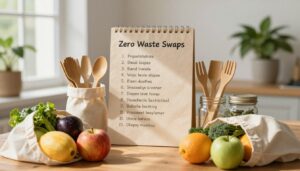

If you want practical benefits of zero waste lifestyle advice that fits a real budget, you’re in exactly the right place. Have you ever thought about how much trash you make in a year? In 2018, the U.S. threw away 292.4 million tons of waste. This problem might seem huge, but you can start making a difference today.
Living a zero waste lifestyle means taking control of your stuff. By changing a few things every day, you can see the benefits of zero waste lifestyle for yourself. It’s not about being perfect; it’s about getting better over time.
Every single action counts when you try to reduce waste. It could be as simple as composting or using reusable bags. Your efforts help make the world a better place. Let’s look at how you can make your home greener and your life more sustainable.
Key Takeaways
- The United States produces over 290 million tons of trash annually.
- Small, daily adjustments lead to significant long-term environmental impacts.
- Focus on consistent progress rather than achieving immediate perfection.
- Managing personal resources helps reduce your overall ecological footprint.
- Simple swaps like reusable items are effective starting points for everyone.
Understanding the Core Benefits of Zero Waste Lifestyle
Exploring the benefits of zero waste lifestyle shows a path to personal growth and global health. By reducing your footprint, you gain many sustainable living advantages. These benefits enhance your life and protect our planet.
Environmental Impact and Conservation
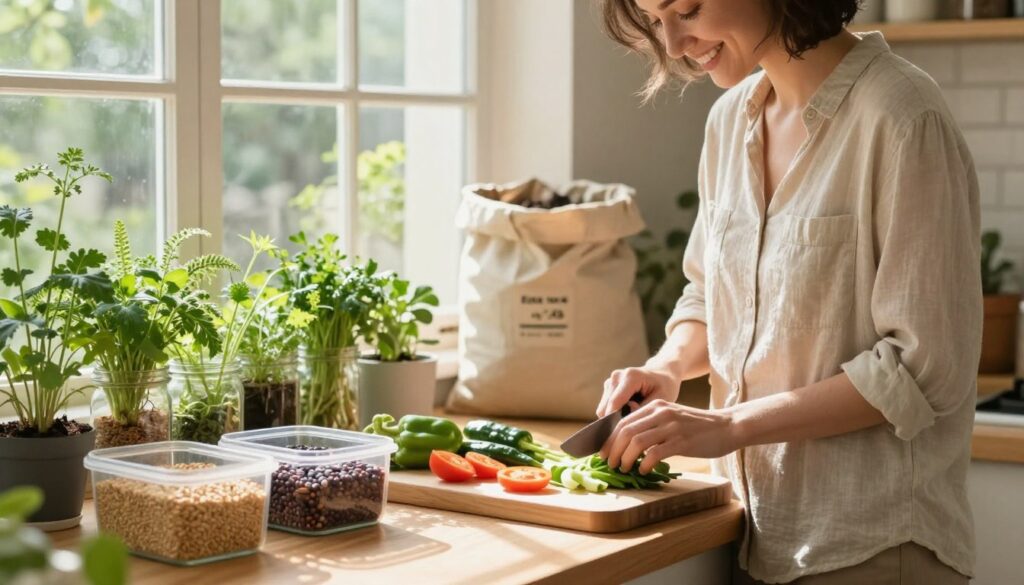
The environmental benefits of zero waste are vast and important. Reusing items lowers the need for raw materials, saving our natural resources.
This change also cuts down on waste. Using less means less energy and water for making and moving goods. These zero waste living benefits reduce pollution, making our planet healthier for all.
Financial Savings and Economic Advantages
Choosing a zero waste lifestyle can save you money right away. You stop buying disposable items that waste money and harm the environment.
Your choices also boost the economy. Studies show zero waste efforts create ten times more jobs than traditional waste management. This supports a stronger local economy, thanks to your sustainable choices.
Mental Clarity and Simplified Living
Many find that eco-friendly lifestyle benefits improve their mental health. Decluttering and using fewer materials can bring a sense of mental clarity in a world focused on buying.
One of the best zero waste lifestyle perks is the freedom of simplified living. You spend less time on stuff and more on meaningful experiences. This way of living leads to a calmer, more focused mindset every day.
Step-by-Step Guide to Starting Your Zero Waste Journey
Starting a zero waste journey is simple. Just look at your trash bin. The average American throws away about 4.4 pounds of waste daily. This is a big chance to make a change.
By looking at what you throw away most, you can see how a zero waste lifestyle can help you. It’s all about making small changes at home.
Audit Your Current Waste Habits
Before buying new stuff, track your waste for a week. Use a notebook or app to list everything you throw away. You might be shocked to see how much food scraps, paper towels, and plastic packaging you use.
This audit is your guide. Focus on the top three items you throw away. Making small, consistent changes is better than trying to change everything at once.
Mastering the Art of Refusing and Reducing
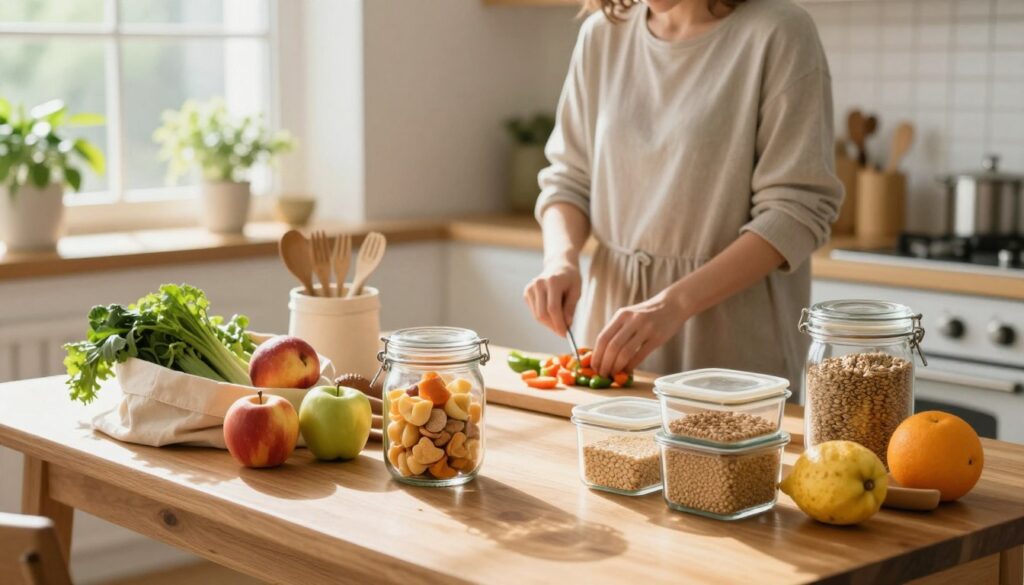
Saying no is a powerful tool. Refuse freebies, promotional items, and plastic bags. Reducing what you buy is key to a zero waste lifestyle.
- Decline single-use straws and plastic cutlery when ordering takeout.
- Unsubscribe from junk mail lists to reduce paper waste.
- Buy only what you truly need to avoid future clutter.
Transitioning to Reusable Alternatives
After mastering saying no, look for durable items to replace your daily use ones. High-quality materials last longer and save money. This makes your life simpler.
Swapping Single-Use Plastics for Glass and Metal
Plastic containers are bad for the environment and hold smells. Switch to glass jars or stainless steel containers. They are better for storing food and don’t harm the planet.
Choosing Sustainable Personal Care Products
Your bathroom can be a big source of waste. Try solid shampoo bars, bamboo toothbrushes, or refillable deodorant. These changes are good for you and the planet. Choose brands with compostable packaging to help the environment.
Advanced Strategies for Sustainable Living
Adopting advanced waste-reduction strategies can greatly reduce your footprint. Going beyond simple swaps enhances your environmental benefits of zero waste and refines your daily habits. These methods help you make sustainability a part of your home management.
Composting Organic Waste at Home
Food scraps make up 22% of landfill waste, producing harmful methane gas. Starting a home compost system diverts this waste and turns it into soil. It’s a powerful way to close the loop in your kitchen.
Whether you live in an apartment or a house, there’s a composting option for you. You might choose a small bin, a worm farm, or a backyard pile. This change returns vital nutrients to the earth, offering clear eco-friendly lifestyle benefits.
Bulk Shopping and Packaging-Free Grocery Runs
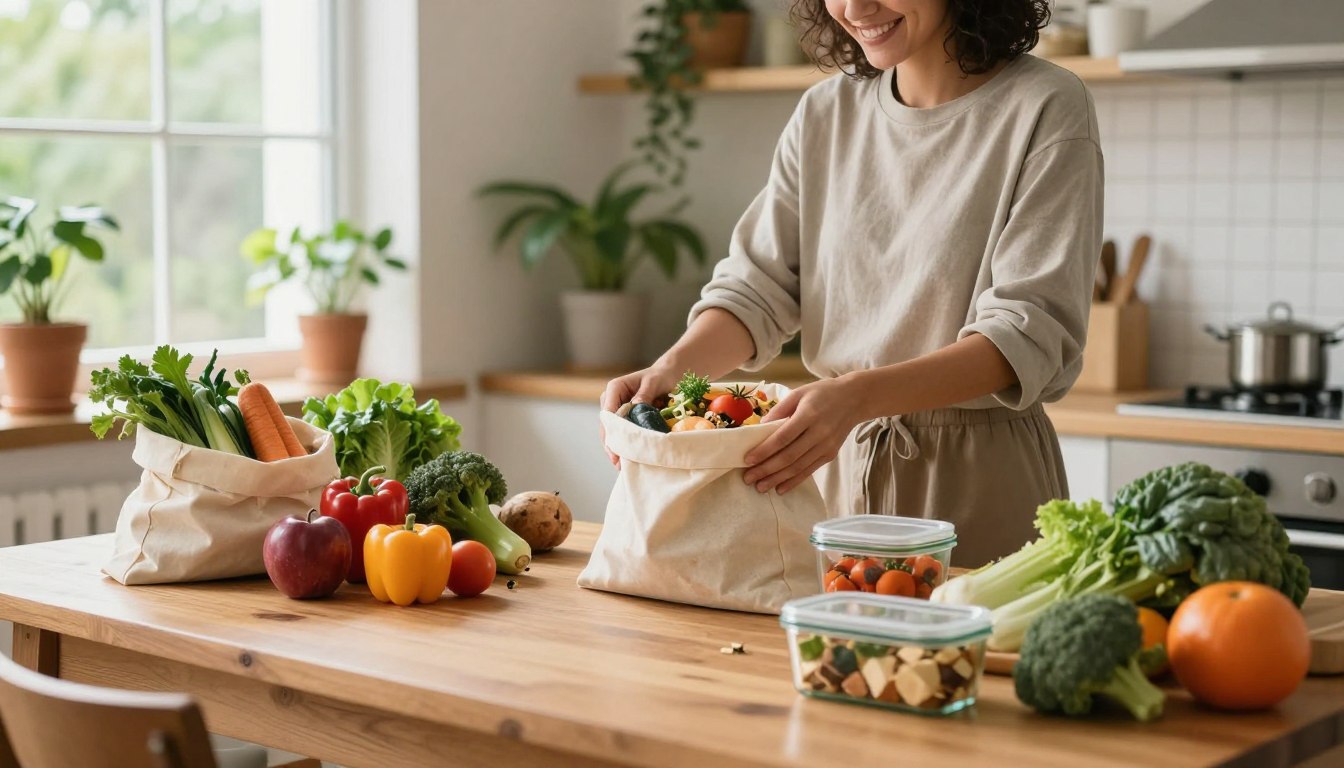
Packaging waste often clutters our homes after grocery trips. Embracing bulk shopping at local markets or stores with reusable containers helps. Bringing your own glass jars or cloth bags is a game-changer for your pantry.
“The greatest threat to our planet is the belief that someone else will save it.”
Buying staples like grains, nuts, and spices in bulk reduces plastic use and saves money. It’s a practical step toward a minimalist, sustainable kitchen.
DIY Solutions for Household Cleaning
Many cleaning products come in single-use plastic bottles with harsh chemicals. You can replace them with simple, effective DIY alternatives. Vinegar, baking soda, and essential oils are often all you need for a clean home.
Creating your own cleaning supplies reduces toxic runoff and plastic waste. This shift offers significant eco-friendly lifestyle benefits. The table below compares these changes to traditional habits.
| Habit | Traditional Approach | Sustainable Strategy |
|---|---|---|
| Food Scraps | Sent to Landfill | Composted at Home |
| Grocery Shopping | Plastic Packaging | Bulk/Reusable Containers |
| Cleaning Supplies | Single-use Bottles | DIY Natural Solutions |
By using these advanced techniques, you maximize the environmental benefits of zero waste in your daily life. Consistency is key to long-term success as you refine your household routines.
Overcoming Common Challenges in Your Daily Routine
The journey to sustainability is rewarding but not always easy. You might face challenges when trying to live in harmony with the environment. Remember, landfills are a big source of methane, making your efforts crucial for the planet.
Navigating Social Situations and Dining Out
Social events often focus on convenience, which can clash with your goals. You don’t have to be alone to stay true to your values. Just communicate your needs when eating out by asking for no straw or bringing your own container for leftovers.
Keeping in mind the sustainable living advantages of your choices helps. When friends see your commitment, they often become curious rather than critical. You’re showing them that living sustainably is both possible and enjoyable.
Dealing with Packaging in Modern Retail
Modern stores focus on speed, often harming the environment. You might feel overwhelmed by all the plastic. Start by choosing stores with bulk bins or local farmers’ markets where you can use your own bags.
If you must buy packaged goods, choose items in glass or metal that can be recycled. These small changes show the zero waste lifestyle perks of being a mindful consumer. Every item you refuse is a win against waste.
Maintaining Consistency Without Perfectionism
It’s easy to feel down when you can’t have a perfectly waste-free day. Remember, imperfect progress is still valuable for reducing waste. You’re part of a movement that values effort over perfection.
Consistency is more important than being flawless. By being resilient and forgiving yourself for small mistakes, you keep your journey sustainable. Your dedication to the environment inspires others to follow your lead.
Conclusion
Your choice to live intentionally has a big impact. It goes beyond your home and helps the planet. You’re part of a global effort to make the environment better.
Living zero waste shows others it’s possible to live well without wasting. You show that you don’t need a lot of stuff to be happy.
Seeing how your choices reduce waste is rewarding. Small changes, like smart shopping or managing waste, add up. They make a big difference.
You have the power to make the world cleaner for the future. Keep improving and share your journey. Your efforts inspire others to think differently about their stuff.
Begin a new sustainable project today. Post your best tips online to motivate your friends. Every step you take helps protect our planet.