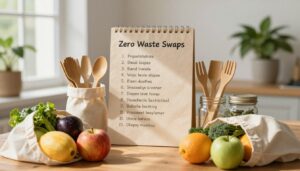
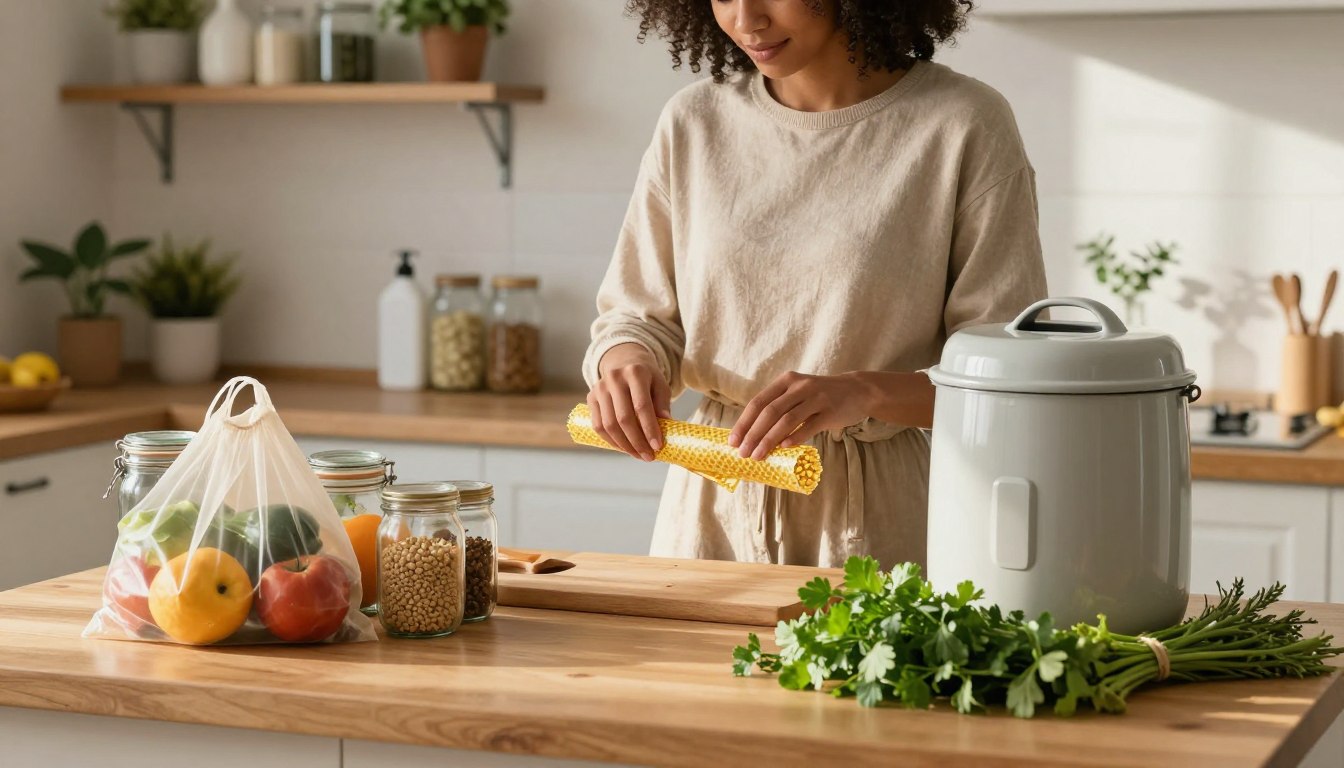

This guide covers zero waste journey tips in plain, honest terms — no expensive products required, no perfection needed. Starting a path toward a more intentional home doesn’t need to be perfect right away. Many feel overwhelmed by the need to be flawless. But, the real goal is consistent progress. By making small, manageable changes, you can make a big difference for the planet.
According to the EPA’s waste and recycling data, small everyday changes at home add up to significant environmental impact.
Clearing out clutter is the first step toward a more sustainable living ideas lifestyle. When you declutter, you see what you really need. This helps you avoid mindless buying and live more thoughtfully.
Adopting an eco-friendly lifestyle means making better choices daily. You don’t need to change everything at once to see progress. Start by tackling one cluttered area in your home. These small steps will add up to a big reduction in your environmental impact.
Key Takeaways
- Focus on progress rather than achieving absolute perfection.
- Simplify your home environment to reduce unnecessary consumption.
- Implement small, manageable changes for long-term success.
- Prioritize intentional living to lower your environmental impact.
- Use this guide as a foundation for room-by-room improvements.
Assessing Your Current Waste Habits
Starting a sustainable lifestyle means looking at your daily trash. You can’t change what you don’t measure. This first step is key to your success. By checking your garbage, you lay a solid foundation for your goals.
Changing your habits is easier with real data about your home. This step moves you from guessing to making real changes. Small steps can lead to big changes over time.
Conducting a Home Waste Audit
Start by picking a week when your routine is the same. Keep a log or notepad by your kitchen bin. Record what you throw away each day. Group items like food scraps, plastic, paper, and recyclables.
This simple tracking is a great zero waste journey tip. By the week’s end, you’ll see your waste patterns clearly. Seeing your waste can motivate you to make big changes.
Identifying Your Biggest Sources of Trash
After tracking, look for patterns in your waste. Often, food waste or single-use plastics are the biggest culprits. Finding these areas lets you reduce waste habits more effectively.
Focus on a few big areas to change, not everything at once. Use these insights to tailor your zero waste journey tips to your life. Every small change helps the environment a lot.
Essential Mindset Shifts for Sustainable Living
Changing your daily habits starts with a big change in how you see using things. Moving to sustainable living ideas means leaving behind the “take-make-dispose” way. It’s about living in a circle, being mindful of what you use, and caring for the planet.
Embracing Progress Over Perfection
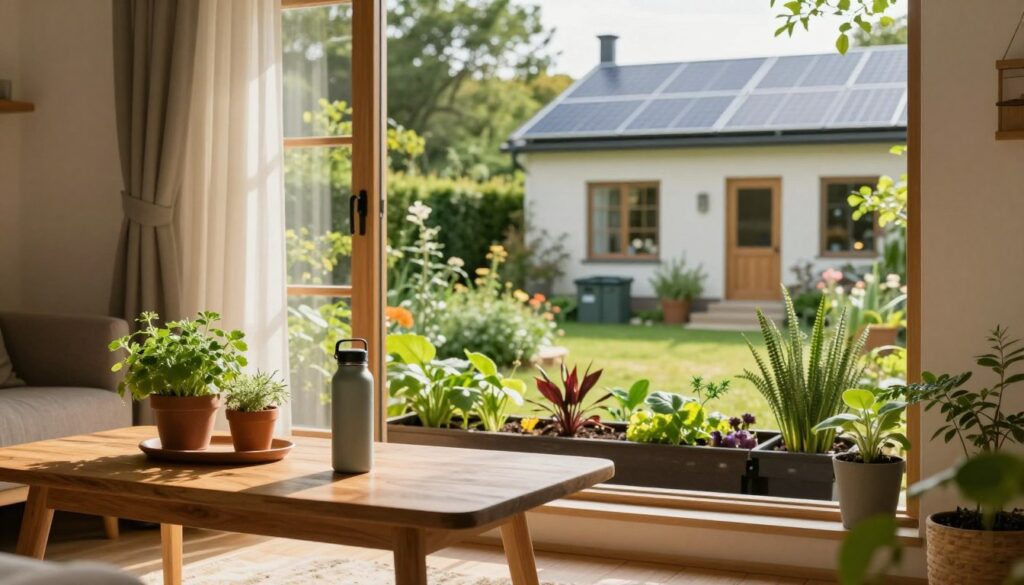
Starting can feel daunting, but remember, every little bit counts. You don’t have to be perfect to help the planet. It’s about being consistent with environmentally friendly tips, not achieving perfection right away.
We don’t need a handful of people doing zero waste perfectly. We need millions of people doing it imperfectly.
Working on getting better slowly helps you build lasting habits. Here are some benefits of choosing progress:
- Less stress about your impact on the environment.
- More flexibility to fit your lifestyle.
- A lasting commitment to your goals.
Focusing on Needs Versus Wants
Understanding why you buy things is key to this change. Learn to tell the difference between needs and wants. By thinking more before buying, you reduce waste and save money.
The Rule of Three Before Purchasing
Using the “Rule of Three” is a great green living tip for avoiding impulse buys. Before buying, ask yourself these questions:
- Do I already have something that can do this job?
- Can I borrow, rent, or buy secondhand instead?
- Will this really add value to my life in the long run?
If you’re unsure, it’s best to skip the purchase. This pause helps you make thoughtful choices that support a simpler, greener home.
Practical Kitchen Swaps to Reduce Waste
Turning your kitchen into a low-waste zone is a great way to help the environment. By living an eco-friendly lifestyle, you can make daily tasks help the planet. Making small changes in your kitchen can greatly reduce your weekly trash.
Transitioning to Reusable Food Storage
Start by ditching single-use plastics like cling film and sandwich bags. Choose durable options instead. Glass jars are great for pantry items, and beeswax wraps are flexible and washable for covering bowls or wrapping food.
These swaps help you reduce waste habits by keeping food fresh without disposable items. Organizing your pantry with clear containers not only looks good but also helps you avoid wasting food.
Composting Organic Scraps at Home
Food scraps are a big part of household trash, but they don’t have to go to the landfill. Composting turns kitchen waste into soil for your garden. It’s a powerful earth-conscious practice that closes the loop on food.
Choosing Between Countertop Bins and Tumblers
Choosing how to compost depends on your space and lifestyle. If you live in an apartment, a compact countertop bin with a charcoal filter is perfect for collecting scraps before taking them to a local drop-off site.
If you have a backyard, a rotating tumbler is a highly efficient way to manage more waste. Tumblers speed up decomposition, letting you make compost faster than traditional piles. Pick the method that works for your home, and you’ll be amazed at how much trash you avoid.
Streamlining Your Bathroom and Personal Care Routine
Changing your daily hygiene routine is a big step towards living green. Many bathrooms are filled with single-use plastic bottles that harm our planet. By making small changes, you can greatly reduce waste and keep your space tidy.
Switching to Solid Bar Products
Switching to solid bar soaps and shampoos is a great way to cut down on plastic. These products come in recyclable packaging, unlike plastic bottles. They also last longer, saving you money too.
Choosing solid bars means you’re using environmentally friendly tips that save space. Look for natural ingredients and avoid harsh chemicals. This simple change can keep hundreds of plastic bottles out of landfills.
Refilling Containers at Local Bulk Stores
If you still like liquid products, you don’t have to stop using them. Many places now offer bulk stores where you can refill items like body wash and lotion. These waste-free living tips let you reuse the same bottle forever.
Before you go to the store, make sure your containers are clean and dry. Shops usually have scales for you to weigh your empty bottles. This way, you only pay for what’s inside. It’s a great way to support local businesses and reduce plastic waste.
| Product Type | Traditional Packaging | Sustainable Alternative |
|---|---|---|
| Shampoo | Plastic Bottle | Solid Shampoo Bar |
| Body Wash | Plastic Pump Bottle | Refillable Bulk Soap |
| Hand Soap | Single-use Plastic | Soap Bar or Refill |
Smart Shopping Strategies for an Eco-Conscious Lifestyle
Changing how you shop is a big step towards living greener. By choosing sustainable products, you help the planet. These small changes can make a big difference over time.
Mastering the Art of Bulk Buying
Bulk shopping is key to reducing waste. Bring your own containers to avoid single-use packaging. This way, you only pay for what you need.
Many stores offer bulk options for foods like grains and oils. Buying in bulk cuts down on waste and helps you manage your pantry better.
Supporting Local Farmers Markets
Local farmers markets connect you with local growers. They offer fresh, locally grown food without much packaging. Supporting these markets strengthens your local food system.
Reducing Packaging Through Seasonal Eating
Eating seasonally reduces your environmental impact. Buying in season means less energy spent on shipping and packaging. It also means fresher, healthier food.
| Shopping Method | Packaging Level | Environmental Impact |
|---|---|---|
| Bulk Stores | Zero/Minimal | Very Low |
| Farmers Markets | Low | Low |
| Standard Supermarket | High | High |
By adopting these practices, you can live more sustainably. As you make these choices, shopping greener becomes easier. Every decision at the checkout counter is a step towards a better future.
Effective Zero Waste Journey Tips for Your Wardrobe
Turning your closet into a collection of meaningful pieces is a great step towards green living tips. By choosing clothes that reflect your values, you avoid the endless cycle of fast fashion. This change saves money and helps you develop a style that truly stands the test of time.

Prioritizing Quality Over Fast Fashion
One of the biggest changes you can make is to stop buying cheap clothes. Instead, invest in high-quality materials that last longer. Choosing durable items means you shop less often.
Building a capsule wardrobe is another smart move. It helps you own fewer items that go well together. This eco-conscious lifestyle lets you appreciate the craftsmanship of each piece you wear.
Repairing and Upcycling Existing Clothing
Before throwing away a damaged item, try to fix it. Learning basic sewing skills is a handy environmentally friendly tip. A simple patch or new button can save a favorite shirt from the landfill.
If an item can’t be fixed, think about upcycling it. Old denim can turn into a strong tote bag, and worn-out cotton shirts make great cleaning rags. Getting creative with your textiles makes every fabric count.
Managing Waste While Traveling and On the Go
Keeping our planet clean while traveling is simpler than you might think. Travel often leads to waste, but planning ahead helps you stay eco-friendly. With a little prep, you can enjoy your trips without leaving trash behind.
Building Your Zero Waste Travel Kit
A good travel kit is the key to success. It ensures you don’t rely on single-use plastics. Consistency is crucial for a successful eco-friendly lifestyle.
Here are some must-haves for your kit:
- A set of bamboo or stainless steel utensils.
- A cloth napkin or handkerchief for spills.
- A collapsible silicone container for leftovers.
- A reusable water bottle and a lightweight coffee cup.
Choosing Sustainable Options at Restaurants
Eating out is a big part of traveling, but it can lead to waste. Simple waste-free living tips can help you enjoy local food without harming the environment. Always choose restaurants that use real dishes, not disposable ones.
If you have leftovers, use your own container. Most servers will be happy to help if you ask. These small actions make a big difference in living sustainably.
| Travel Habit | Traditional Approach | Sustainable Alternative |
|---|---|---|
| Hydration | Plastic bottled water | Refillable metal bottle |
| Dining Out | Disposable plastic cutlery | Personal bamboo set |
| Leftovers | Styrofoam containers | Reusable silicone pouch |
| Snacking | Individually wrapped items | Bulk-bought snacks in jars |
By following these waste-free living tips, you change how you see the world. Every trip becomes a chance to make a positive impact.
Conclusion
Your zero waste journey tips are a guide for caring for the environment. This journey is ongoing, filled with learning and making better choices for our planet.
See these sustainable living ideas as tools for personal growth, not strict rules. Every small step you take has a big impact on your community and nature.
Living an eco-friendly lifestyle helps you lessen your environmental impact every day. You have the power to change the world through your daily actions.
Companies like Patagonia and Seventh Generation show that businesses listen when consumers want better practices. Your choices tell the market that sustainability is important.
Keep finding new ways to reduce waste in your daily life. By staying true to these values, you’re building a better future for all of us.