
Did you know the United States threw away 292.4 million tons of trash in 2018? This huge number shows we need better shopping habits. It’s time to shop smarter and more sustainably.
By using bulk buying zero waste tips, you can greatly reduce your environmental impact. These simple steps help you avoid single-use items. These items fill our landfills and harm our planet.
Reducing packaging waste is a key step to control what you buy. Choosing reusable containers and buying wisely makes your home more efficient. It’s a smart move for both your wallet and the planet.
Switching to this lifestyle not only saves the environment but also your money. It’s easier than you think. The benefits for your wallet and the earth are worth the effort.
Key Takeaways
- Understand the massive scale of municipal trash generated in the United States.
- Learn how to transition your home to a more sustainable consumption model.
- Discover the financial benefits of choosing reusable containers over single-use options.
- Minimize your personal contribution to local landfills through mindful shopping.
- Adopt practical strategies to lower your environmental footprint every single day.
The Philosophy of Sustainable Shopping
Sustainable shopping is more than a trend; it’s a change in how we shop. By choosing sustainable shopping practices, you see each item as a long-term choice for the planet. This shift helps you avoid buying on impulse and embrace a more mindful lifestyle.
Understanding the Environmental Impact of Packaging
It’s easy to ignore the plastic and cardboard that protect our food. Yet, packaging is a huge part of our waste, making up half of all solid waste. This shows why it’s key to cut down on single-use items.
Choosing to skip extra wrapping helps reduce landfill waste. By using eco-friendly purchasing strategies, you avoid unnecessary waste. Every small change you make helps make a big difference in our planet’s waste management.
The Financial Benefits of Buying in Bulk
Many think sustainable living costs more, but it often doesn’t. A big bulk buying benefit is saving money on groceries. Buying staples like grains and spices in bulk means you avoid the extra costs of fancy packaging.
Using your own reusable containers saves money on each store trip. This is very cost-effective for your family’s budget. Buying in bulk shows that being green is often the most budget-friendly choice for your home.
Essential Bulk Buying Zero Waste Tips for Beginners
Starting to shop in bulk is all about small, consistent steps that save money. You don’t have to change everything at once. By following these bulk buying zero waste tips, you can make sustainable choices that fit your life.
Starting Small with Pantry Staples
First, pick the items you use the most. Look at your pantry and choose three to five staples like rice, oats, or dried beans. Focusing on a few items helps you avoid feeling overwhelmed.
Then, find local stores that sell these items in bulk bins. Buying in bulk means you only get what you need. This is a key part of zero waste lifestyle tips.
Planning Your Shopping Trips Effectively
Being prepared is key to reducing waste. Before you go shopping, check what you already have. This helps you avoid buying too much and saves money.
Make a list of what you really need. Shopping with a plan helps you avoid buying things you might not use. Planning ahead means you only buy what you can use before it goes bad.
Researching Local Bulk-Friendly Retailers
Finding the right store is important. Use online tools or talk to friends to find co-ops, health food stores, or markets with bulk bins. Many stores will let you bring your own containers.
The table below shows the difference between traditional and bulk shopping. It helps you see why bulk shopping is better:
| Feature | Traditional Shopping | Bulk Shopping |
|---|---|---|
| Packaging | High (Plastic/Cardboard) | Minimal or Zero |
| Quantity | Fixed Pre-set Sizes | Customizable Amounts |
| Cost Efficiency | Higher per unit | Lower per unit |
| Food Waste | Higher risk of spoilage | Lower risk (buy exact needs) |
Preparing Your Home for Bulk Storage
Turning your kitchen into a zero-waste zone starts with checking your pantry. Look at your space to adopt sustainable consumer habits for easier cooking. A tidy area keeps your bulk items fresh and easy to find.
Assessing Your Current Pantry Space
Clear your shelves to see how much room you have for new containers. Measure the space to make sure your jars fit well. Measure now to avoid trouble when you bring home heavy groceries.
Selecting Sustainable Storage Solutions
You don’t need to buy expensive sets for a nice pantry. Many items you already have can be reused. Look for containers that are clean, dry, and ready for a new use.
- Large yogurt containers
- Glass pickle jars
- Clean plastic take-out containers
Glass Jars and Their Versatility
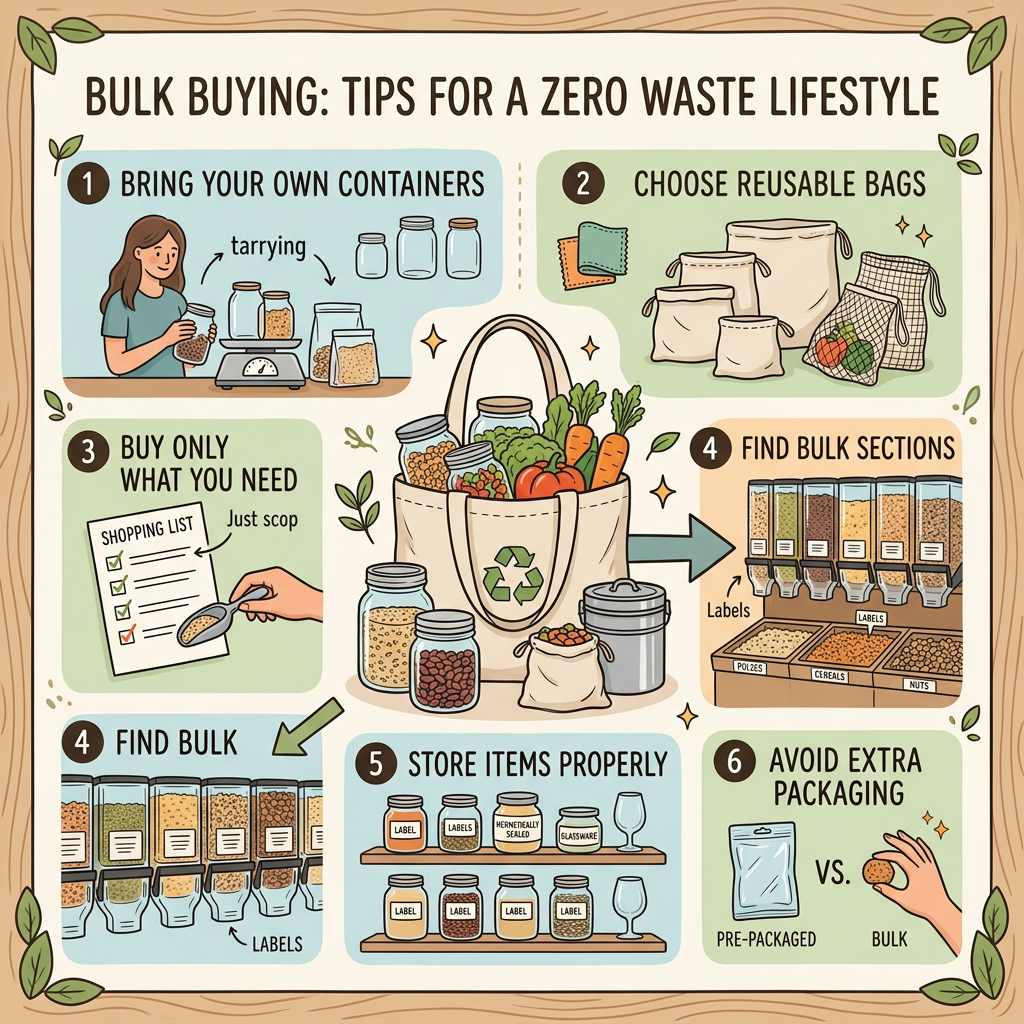
Glass jars are top for storing bulk because they’re easy to clean and see through. They help you plan your shopping. Make sure the lids are tight to keep food fresh.
Cloth Bags for Dry Goods
Cloth bags are great for light, dry items like pasta or beans. They’re easy to clean and save space. Using them helps you stick to sustainable consumer habits and keeps your kitchen neat.
Navigating Grocery Stores and Co-ops
Exploring the aisles of a co-op or grocery store becomes easier with some knowledge. Bringing your own jars might seem challenging at first. But, these waste-free shopping ideas will make you a pro in no time. Soon, you’ll find sustainable shopping fits right into your routine.
Understanding Store Policies on Personal Containers
Every store has its own rules about using reusable containers. Most welcome your jars, but they must be clean and dry. Always check with the customer service desk to make sure you follow health codes.
- Check if the store provides pre-weighed stickers for your jars.
- Ensure your containers are made of durable materials like glass or stainless steel.
- Look for designated bulk sections that allow for easy refilling.
How to Properly Tare Your Containers
Taring is key to only paying for the product weight. It involves weighing your empty container before filling it. Many stores have scales for this purpose, so you can record the weight on a sticker or tape.
After weighing, the cashier will subtract the container’s weight from the total. Accuracy is key here. Make sure your container is empty before weighing. This habit helps keep your grocery budget in check.
Communicating with Store Staff
Don’t be shy to ask staff for help if you’re unsure about a policy. They’re often eager to assist with bulk shopping and explain their weighing system. A friendly rapport with the team makes shopping more enjoyable.
If a store is new to bulk shopping, be patient and explain your goals clearly. Polite communication can encourage stores to adopt sustainable practices. Together, you can make shopping smoother for everyone.
Choosing the Right Reusable Containers
Your journey toward sustainable consumer habits starts with the right tools for storing food. High-quality, durable containers keep your kitchen running smoothly and waste-free for years.
Materials to Prioritize for Longevity
Look for materials that last through many uses and cleanings. Glass jars are great because they’re non-porous and let you see what’s inside.
Stainless steel canisters are a good choice for heavy items like grains or legumes. They’re lightweight and won’t break. High-quality silicone bags are also handy for storing snacks or produce in the fridge.
Cleaning and Sanitizing Your Bulk Containers
Keeping your pantry items fresh and safe depends on proper care. Make sure every container is thoroughly dried after washing. This stops moisture buildup and food spoilage.
Here’s how to sanitize effectively:
- Wash containers with hot, soapy water after each use.
- Use a bottle brush to clean the bottom of narrow jars.
- Let them air-dry completely before refilling to avoid mold.
Labeling Systems for Better Organization
A clear labeling system helps you keep track of your items and expiration dates. Simple labels help you avoid food waste by ensuring you use what you have first.
Masking tape and a marker work well for a quick fix. Or, chalkboard labels offer a stylish, reusable option. Organizing your items means you always know what’s in your kitchen.
Managing Dry Goods and Pantry Staples
Did you know that 22 percent of solid waste comes from food waste? By managing your bulk purchases better, you can reduce your environmental impact. Using waste-free shopping ideas helps keep your pantry full of food, not trash.
Proper Storage to Prevent Pests
Keeping pests out of your kitchen starts with the right storage. Airtight containers are key to fighting pantry moths and rodents. Glass jars or stainless steel canisters block pests, keeping your food safe and your kitchen clean.
- Use glass mason jars with rubber gaskets for a tight seal.
- Check lids regularly to ensure they remain secure.
- Store bulk bags inside larger bins if you have limited shelf space.
Maintaining Freshness for Grains and Legumes
Grains and legumes stay fresh longer when stored right. These staples are essential for waste-free shopping ideas. Keep them in a cool, dark place to avoid spoilage.
Buying in bulk? Store some in your pantry and the rest in a cool, dry spot. This simple habit keeps your food fresh for months, saving nutrients.
Rotating Your Stock to Avoid Waste
The “first-in, first-out” method is great for inventory management. Place new items behind older ones in your pantry. This way, you use the oldest items first, a top waste-free shopping idea.
Consistency is key for tracking supplies. Organized shelves help you avoid expired goods. A few minutes to rotate your stock can save money and keep your kitchen sustainable.
Strategies for Reducing Packaging Waste
Learning eco-friendly purchasing strategies starts with how you shop for food. Bulk aisles are a good start, but you can do more. Avoiding single-use plastics greatly reduces waste that harms our planet for centuries.
Avoiding Plastic Bags at the Produce Section
Plastic bags in the produce section last only 20 minutes but take nearly 400 years to decompose. They are cheap to make but cost the environment dearly. Breaking this cycle is easy by using reusable bags.
If you forget your bags, just put loose items in your cart. Most fruits and veggies, like apples and bananas, have natural skins. You don’t need extra plastic to carry them home.
Finding Alternatives to Pre-Packaged Snacks
Many snacks come in non-recyclable plastic. To cut down on waste, choose snacks you can make yourself or buy in bulk. Instead of single-serve packs, get larger amounts of nuts, dried fruits, or popcorn kernels.
- Make your own trail mix from bulk ingredients.
- Opt for snacks in cardboard or glass, which are recyclable.
- Make homemade granola bars to avoid plastic wrappers.
Supporting Local Farmers Markets
Farmers markets offer fresh, local food without much plastic. Growers often put your items directly in your bag. This way, you know where your food comes from.
Shopping locally supports your community and reduces your carbon footprint. The table below shows the difference between conventional and sustainable shopping for packaging.
| Shopping Method | Packaging Type | Environmental Impact |
|---|---|---|
| Conventional Supermarket | Single-use plastic | High (400+ years to degrade) |
| Bulk Bin Shopping | Reusable containers | Minimal (Zero waste) |
| Farmers Markets | Paper or none | Low (Compostable/Reusable) |
Calculating Your Savings and Environmental Impact
Wondering if your green choices are saving you money and helping the planet? Tracking your progress is a great way to stay on track and see the results. By watching your habits, you’ll see how small steps can make a big difference.
Tracking Your Grocery Expenses Over Time
Begin by logging your weekly grocery spending. Many families waste $1500 a year on food that goes bad. Buying in bulk helps avoid this waste by reducing packaging and food waste.
Look at your monthly bills to see where your money goes. You’ll find that buying in bulk saves you a lot compared to small, packaged items. These savings add up over time, putting more money in your pocket.
Measuring Your Reduction in Trash Output
Seeing less trash is a clear sign of success. Making environmentally conscious purchases means less plastic and cardboard at home. Try weighing your trash before and after switching to bulk items to see the difference.
Measuring your trash reduction shows your positive impact on the environment. This simple act keeps you focused on your goals. It also shows how your environmentally conscious purchases help our planet.
The Long-Term Economic Advantages
Sustainability is a smart financial move that pays off over time. The bulk buying benefits go beyond the initial cost. You save on gas by shopping less and reduce the need for frequent replacements.
Investing in quality storage and meal planning creates efficiency. These bulk buying benefits keep your kitchen organized and your budget in check. Here’s how these habits compare to traditional shopping.
| Metric | Traditional Shopping | Bulk Buying |
|---|---|---|
| Packaging Waste | High (Single-use) | Minimal (Reusable) |
| Food Spoilage | Frequent | Low (Controlled portions) |
| Cost Efficiency | Lower (Brand premiums) | Higher (Unit savings) |
| Storage Needs | High (Bulky boxes) | Optimized (Uniform jars) |
Overcoming Common Challenges in Zero Waste Shopping
Starting sustainable shopping practices can be tough. It’s a journey to reduce waste, but modern shopping can be hard. Knowing these challenges helps you stay true to your values.
Dealing with Limited Bulk Options in Your Area
Not all stores have bulk sections. Be careful of “bulk” items that are just small units wrapped together. These can actually increase waste, so check the packaging first.
When bulk options are scarce, choose glass or metal. These are better for recycling or reuse. These zero waste lifestyle tips help you make smart choices, even with limited options.
Handling Spills and Messes During Transport
Spills can happen when carrying loose items. Make sure your containers are sealed well before you leave. Use a sturdy crate or bag with dividers to keep things upright.
For spills, keep a small cleanup kit in your car. A cloth napkin and brush can quickly clean up most spills. Being ready can turn a big mess into a small problem.
Staying Motivated When Convenience Beckons
It’s easy to choose single-use items when you’re busy or tired. Remember, every choice you make helps the planet. It’s about progress, not being perfect.
“The greatest threat to our planet is the belief that someone else will save it.”
When you feel down, think about why you started. Whether it’s saving money or reducing waste, keep your goals in mind. These zero waste lifestyle tips make your sustainable shopping practices a positive part of your life.
| Challenge | Immediate Solution | Long-Term Strategy |
|---|---|---|
| Fake Bulk Items | Check for hidden plastic | Request bulk options from managers |
| Spilled Grains | Use a dedicated cleanup kit | Invest in leak-proof containers |
| Convenience Temptation | Take a short break | Meal plan to reduce stress |
Conclusion
Changing how you shop can make a big difference. It helps you live in line with your values. By choosing zero-waste options, you save money and help the planet.
By picking products that are good for the environment, you control what you use at home. These choices also affect the stores you buy from and the companies that make things. You’re helping to keep our planet safe for the future.
It’s okay if you don’t do everything perfectly right away. Every little bit you do helps. Start by replacing one plastic item with something that lasts longer.
Remember, the benefits of your choices will add up over time. Tell your loved ones about what you’re doing. Your actions can inspire others and make a lasting impact.