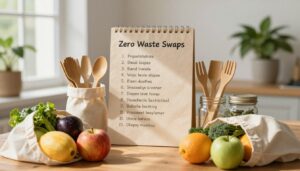

Living an eco-friendly lifestyle doesn’t have to cost a lot. You might think it’s only for those with more money. But, the best zero waste products on a budget can save you money in just a few months.
According to the EPA’s waste and recycling data, small everyday changes at home add up to significant environmental impact over time.
By choosing what you buy carefully, you can help the planet and save money. Sustainability is not about buying more items; it is about choosing better ones.
Changing your home doesn’t have to be sudden. We’ll show you easy steps to make your life greener. Start small and see your savings grow as you live more simply.
Key Takeaways
- Sustainability often leads to long-term financial savings.
- Focus on intentional consumption, not frequent replacements.
- Small, consistent changes have the biggest impact.
- Many eco-friendly alternatives are cheaper than traditional goods.
- You can build a sustainable home without a huge initial cost.
Assessing Your Current Waste Habits to Save Money
Every month, you might lose a lot of money on disposable items. Before buying new things, it’s key to see where your money goes. Taking a moment to audit your habits helps you switch to eco-friendly budget-friendly products wisely.
Tracking Your Monthly Disposable Spending
Begin by logging every disposable item you buy for a month. This includes paper towels, plastic bags, and coffee pods. You’ll see how these small costs add up to a big part of your budget.
Also, think about food waste. The average family throws out $1500 of food a year. This is a big chance to save money by planning better. Tracking these losses helps you pick budget-conscious zero waste goods that really help.
Identifying High-Impact Areas for Cost Reduction
After you have your data, look for patterns in your spending. Focus on items you replace often, as they offer the greatest chance for saving. Swapping these items quickly shows you’re saving money.
Choose eco-friendly budget-friendly products that fit your life. You don’t have to change everything at once. By focusing on where you waste the most, you can build a budget-conscious zero waste goods collection that works for you.
The Best Zero Waste Products on a Budget for Your Kitchen
Turning your kitchen green doesn’t have to cost a lot. Many think eco-friendly living means spending a lot. But, you can find best zero waste products on a budget that save money in the long run. Ditching single-use items for durable ones means you won’t have to buy them again and again.
These initial buys pay off fast. When you stop buying disposable items, your grocery bill often goes down. This leaves more money for other things you need.
Switching to Reusable Beeswax Wraps
Plastic wrap is a big waste problem in kitchens that’s hard to recycle. Beeswax wraps are a great, washable option that keeps food fresh longer. Look for sustainable products for less by buying multi-packs that last over a year with care.
Investing in Glass Storage Containers
Glass containers are key for a tidy kitchen. Unlike plastic, glass doesn’t leach chemicals into your food and lasts for years. They’re great for meal prep, storing leftovers, or keeping pantry items organized.
Utilizing Silicone Baking Mats Instead of Parchment Paper
If you bake often, parchment paper can add up in cost. Silicone baking mats offer a non-stick surface that’s easy to clean and reuse thousands of times. They’re among the top budget-friendly zero waste products for bakers wanting to reduce waste.
| Item | Disposable Cost (Annual) | Reusable Cost (One-time) | Lifespan |
|---|---|---|---|
| Plastic Wrap | $30 | $15 | 12-18 Months |
| Parchment Paper | $25 | $12 | 3-5 Years |
| Plastic Bags | $40 | $20 | 2+ Years |
Affordable Bathroom Swaps That Pay for Themselves
Changing your daily routine to be more sustainable doesn’t have to be expensive. Many bathroom products are pricey and create a lot of plastic waste. By picking affordable zero waste items, you can save money and keep your home clean and healthy.
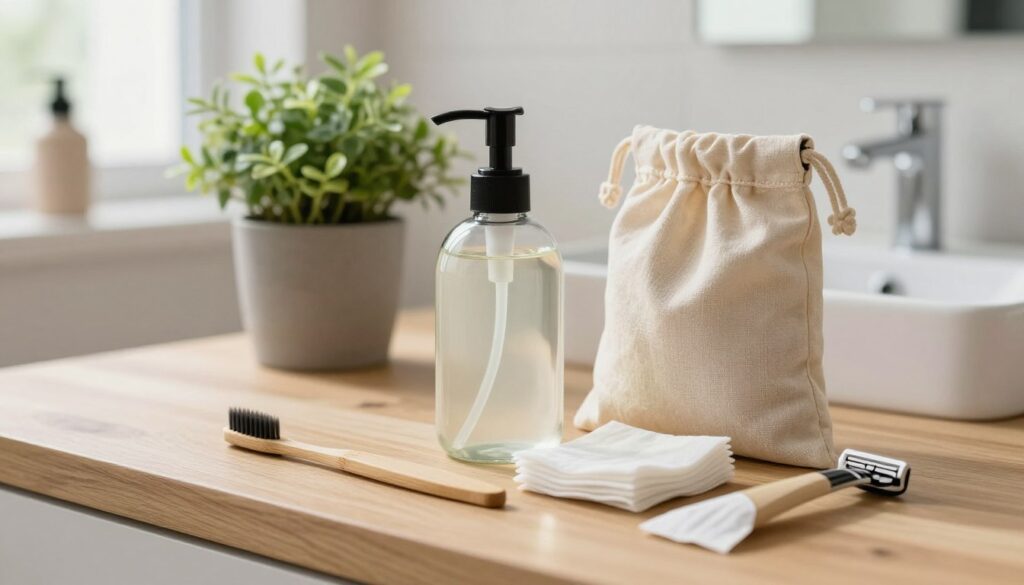
Making simple changes can lead to big savings. For example, making your own natural deodorant costs about $0.50 per batch. This is much cheaper than the $6.99 you’d pay for a store-bought stick. These cheap sustainable alternatives show that you don’t have to spend a lot to be eco-friendly.
Transitioning to Shampoo and Conditioner Bars
Shampoo and conditioner bars are great alternatives to plastic bottles. They last longer than liquid versions, giving you more washes for your money. Investing in these bars also cuts down on plastic waste and saves on shipping costs over time.
Choosing Safety Razors Over Disposable Plastic Options
Disposable plastic razors are a big waste problem and can be expensive. A good stainless steel safety razor is a one-time buy that lasts for years. Even though it costs more upfront, the blades are very cheap compared to cartridge refills.
- Durability: Stainless steel handles resist rust and wear.
- Cost-Efficiency: Replacement blades are significantly cheaper than multi-blade cartridges.
- Performance: A single sharp blade often results in less skin irritation.
Replacing Cotton Rounds with Washable Bamboo Pads
Single-use cotton rounds are easy but wasteful. Switching to washable bamboo pads lets you reuse them hundreds of times. These cheap sustainable alternatives are gentle on your skin and easy to wash in your laundry.
By using these affordable zero waste items, you help create a better future. Every small change helps your wallet and the planet. Start with one swap today and see your savings grow.
Smart Shopping Strategies for Sustainable Goods
Finding sustainable products for less means changing how you shop. By doing so, you can save money and help the planet. It’s all about making smart choices during your weekly shopping trips.
Buying in Bulk to Reduce Packaging and Costs
Buying dry goods in bulk is a smart money move. Items like rice, beans, or oats from bins cut down on plastic waste. This simple switch often means you pay less per ounce than packaged goods.
Carry your own glass jars or cloth bags to the store. This not only saves money but also reduces waste. Plus, you only buy what you need, which helps prevent food from going to waste.
Prioritizing Second-Hand Items Before Buying New
Think twice before buying new. Thrift stores, online marketplaces, and community swap groups have great deals on quality items. Opting for second-hand is a smart way to find low-cost eco products that last.
Choosing pre-owned items supports a circular economy. They often last longer than new, mass-produced items. This way, you help keep useful items out of landfills.
Utilizing Local Refill Stations for Household Cleaners
Many places now have refill stations for household cleaners. Instead of buying new plastic bottles, you refill your containers. This is a key part of finding low-cost eco products that fit your lifestyle.
Refill stations save you money and cut down on plastic waste. You only pay for the product, avoiding the extra cost of branded supplies.
| Shopping Method | Cost Impact | Waste Reduction | Convenience |
|---|---|---|---|
| Bulk Bins | High Savings | Excellent | Moderate |
| Second-Hand | Very High Savings | Excellent | Low |
| Refill Stations | Moderate Savings | High | Moderate |
DIY Solutions to Replace Expensive Eco-Friendly Products
Why spend a lot on eco-friendly products when you can make them yourself? Making your own products saves money and lets you control what goes into them. You’ll find affordable zero waste items that work just as well as store-bought ones.
A mix of baking soda and vinegar costs about $5. This is much cheaper than buying commercial cleaners, which can cost over $30. Switching to this homemade cleaner can save you a lot of money each month.
Creating All-Purpose Vinegar Cleaners at Home
Replace harsh chemical sprays with a natural alternative. Mix equal parts white vinegar and water in a reusable bottle. Add a few drops of essential oil for a nice scent and extra antibacterial properties.
This cleaner is great for countertops, windows, and floors. It’s a reliable cheap sustainable alternative for keeping your space clean without plastic waste.
Making Your Own Beeswax Wraps with Fabric Scraps
Use old cotton fabric scraps to make food storage wraps. Coat them with melted beeswax. This is a fun way to reuse materials and avoid landfill waste.
- Cut your fabric into desired shapes and sizes.
- Sprinkle beeswax pellets evenly over the fabric.
- Place the fabric in a warm oven until the wax melts.
- Hang the wrap to cool and harden before your first use.
Crafting Natural Deodorant with Simple Pantry Staples
Personal care products can be pricey and packaged in excess. Make your own natural deodorant with coconut oil, baking soda, and arrowroot powder. This creates a gentle yet effective barrier against odor.
This DIY method avoids synthetic fragrances and aluminum. Mix these ingredients in a small glass jar. It’s a budget-friendly way to stay fresh and support a low-waste lifestyle.
Maintaining Your Zero Waste Gear for Longevity
Keeping things going for a long time is key to a budget-friendly zero waste life. High-quality reusable items should last as long as possible. Proper care helps the environment and saves money by avoiding frequent buys.
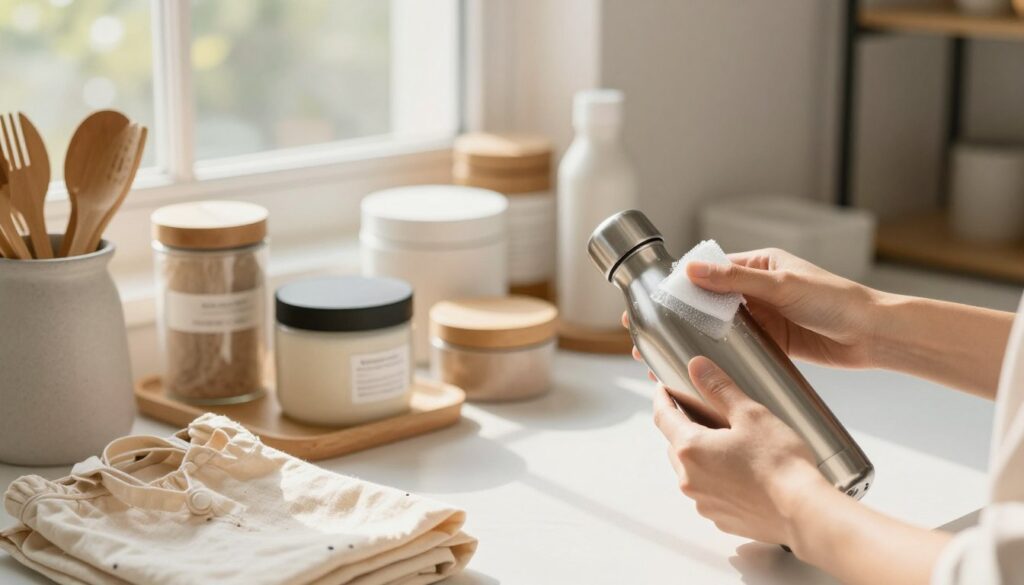
Proper Cleaning Techniques for Silicone and Glass
Silicone and glass are tough but need special cleaning. Don’t use rough scrubbers on silicone, as they can tear and hide bacteria. Use soft sponges and gentle dish soap instead.
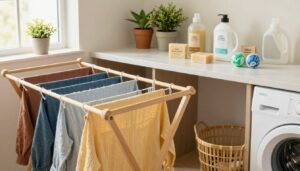
Glass containers need deep cleaning now and then to get rid of tough smells or stains. Soak them in warm water and baking soda to clean without harming the seals. Simple habits like drying laundry outside save money, too.
“Sustainability is not just about what you buy, but how you care for what you already own.”
Repairing Instead of Replacing Damaged Items
Think twice before throwing away a broken item. Many zero waste products have parts that can be fixed. For example, a broken bag strap can be fixed with a needle and thread in minutes.
Learning basic mending skills helps your items last longer. If a glass jar lid loses its seal, you can find new gaskets instead of buying a new jar. This way, you turn waste into a valuable asset.
Storing Reusable Goods to Prevent Wear and Tear
Storing items right is as important as cleaning. Keep silicone mats flat or rolled to avoid creases and cracking. Store glass containers so they don’t clink and break.
Organizing your kitchen helps you find what you have, preventing damage. A dedicated space for your reusable items keeps them in excellent condition for years. Here’s how maintenance compares to buying new things.
| Item Type | Maintenance Action | Annual Savings | Replacement Cost |
|---|---|---|---|
| Silicone Mats | Hand wash/Air dry | $25 | $30 |
| Glass Jars | Deep clean/Seal check | $15 | $20 |
| Laundry | Line drying | $100+ | $0 |
Navigating Greenwashing and Finding True Value
Finding real value for money eco products needs careful eyes and a bit of doubt. Many companies say their items are sustainable, but not all are honest. Knowing how to see past fancy labels helps save money and support good causes.
How to Spot Marketing Gimmicks in Sustainable Goods
Brands often use words like “natural” or “earth-friendly” to attract buyers without proof. These tricks hide the fact that the product is as disposable as others. Always check the fine print for details on supply chain or certifications.
True eco-friendly budget-friendly products cost more because they pay fair wages and use quality materials. If something seems too cheap and claims to be fully sustainable, it might be greenwashing. Watch out for items with plastic packaging but call themselves “green” in other ways.
“The greatest threat to our planet is the belief that someone else will save it.”
Evaluating Material Durability Before Purchase
Think about how long an item will last before buying. A product that breaks quickly is not worth it, even if it’s eco-friendly. Investing in quality means spending less money because you won’t need to replace it often.
- Check for sturdy construction and reinforced seams.
- Look for materials that are easy to clean and maintain.
- Read customer reviews to see how the item holds up after months of use.
Why Simple Materials Often Outperform Trendy Alternatives
You don’t need the latest gadgets to live green. Simple, tried-and-true materials like glass, stainless steel, or organic cotton are often the best. They’re durable, safe, and usually recyclable or compostable.
Choosing basic, quality items helps avoid buying into trends. These items last longer and offer better value for money eco products. Focus on items that are useful and last, building a collection of eco-friendly budget-friendly products that last.
Building a Sustainable Pantry Without Breaking the Bank
Creating a sustainable pantry is good for your wallet and the planet. Eating more plants can cut down your grocery bills. For example, a pound of organic chickpeas costs about $2.29, while organic grass-fed beef can be $9.99 per pound. Making these intentional choices can save you money in the long run.
Sourcing Dry Goods from Bulk Bins
Shopping in the bulk section is a great way to find low-cost eco products. Buying only what you need saves you money and reduces waste. Many stores let you use your own containers, keeping your kitchen tidy and plastic-free.
Reducing Food Waste Through Better Meal Planning
Good meal planning is key for any budget-conscious zero waste goods shopper. Before you go shopping, check what you already have. This way, you won’t buy things you already have and food won’t go to waste. Planning meals ensures every ingredient is used, saving you money and keeping your kitchen running smoothly.
Composting Scraps to Save on Trash Disposal Fees
Composting is a smart way to deal with food scraps. It turns vegetable peels and coffee grounds into soil. This reduces your trash and might even save you money on waste collection. Many places offer lower rates for households that compost, making it a win-win.
| Pantry Item | Standard Price | Bulk Price | Savings |
|---|---|---|---|
| Organic Chickpeas (1lb) | $3.50 | $2.29 | $1.21 |
| Organic Lentils (1lb) | $3.00 | $1.89 | $1.11 |
| Organic Rice (1lb) | $2.50 | $1.49 | $1.01 |
Creating a Long-Term Budget for Your Zero Waste Journey
Changing how you spend money is the first step in your zero waste journey. Look at your spending over time to keep your eco-friendly choices affordable. Consistency helps small changes add up to big savings over the years.
Setting Realistic Monthly Spending Limits
You don’t have to buy everything at once. Look for top budget-friendly zero waste products to replace what you already use. Setting a small monthly budget helps avoid big, stressful expenses.
First, check how much you spend on things like paper towels or plastic bottles. Use that money for eco-friendly alternatives. This way, you can build your collection without breaking the bank.
Allocating Funds for High-Quality Investment Pieces
Some items cost more upfront but last longer. These value for money eco products save you money in the long run. Think of them as investments that save you money over time.
Focus on buying durable items like stainless steel containers or glass storage. They last longer and are worth the extra cost. Buying quality now means you won’t have to keep replacing things later.
Tracking Your Savings Over Time
Keeping track of your savings motivates you to keep going. After a few months, you’ll see how much less you spend on disposable items. This shows the real benefits of your eco-friendly choices.
Use a spreadsheet or app to track your savings. Seeing your savings grow proves that going green is good for your wallet too.
| Category | Disposable Cost (Annual) | Sustainable Cost (Annual) | Net Savings |
|---|---|---|---|
| Cleaning Supplies | $120 | $20 | $100 |
| Kitchen Storage | $80 | $40 | $40 |
| Personal Care | $150 | $60 | $90 |
Conclusion
Starting a zero waste lifestyle is rewarding. It helps you save money and protect the environment. By choosing quality items that last, you control your resources better.
Small changes can add up over time. You don’t have to change everything at once. Every step you take helps the planet and saves you money.
Your path to zero waste is unique. Keep trying different things until you find what works for you. Living simply can feel very freeing.
Share your journey with friends or family. Having a community makes it more fun. You’ll feel good knowing you’re living in a more sustainable way.
# Save Money with the Best Zero Waste Products on a Budget
Switching to a sustainable lifestyle doesn’t have to be expensive. In fact, it can save you a lot of money. By choosing durable items over disposable ones, you avoid the need to constantly buy new things.
Looking for affordable zero waste products is about making smart choices today. These choices will save you money for years to come.
## Assessing Your Current Waste Habits to Save Money
### Tracking Your Monthly Disposable Spending
Before buying new items, understand where your money goes. Take a month to track your trash and receipts. You’ll see how much you spend on things like paper towels and plastic bags.
### Identifying High-Impact Areas for Cost Reduction
Throwing away $1,500 of food a year is a big waste. Find areas where you can cut costs. This way, your switch to eco-friendly products will save you money.
## The Best Zero Waste Products on a Budget for Your Kitchen
### Switching to Reusable Beeswax Wraps
Beeswax wraps are a great kitchen swap. They cost a bit upfront but last a year. They also help reduce food waste, saving you money.
### Investing in Glass Storage Containers
Replace stained plastic tubs with glass containers. Brands like Pyrex are durable and safe for the freezer, microwave, and oven. They’re a smart choice for saving money.
### Utilizing Silicone Baking Mats Instead of Parchment Paper
For bakers, silicone mats are a game-changer. They replace parchment paper and foil, saving you money. They last for thousands of bakes, making them a cost-effective choice.
## Affordable Bathroom Swaps That Pay for Themselves
### Transitioning to Shampoo and Conditioner Bars
Switch to shampoo and conditioner bars to cut down on plastic waste. Brands like Ethique offer great alternatives. They’re cost-effective and good for the environment.
### Choosing Safety Razors Over Disposable Plastic Options
Disposable razors are expensive and wasteful. Safety razors are a better choice. They cost more upfront but save you money in the long run.
### Replacing Cotton Rounds with Washable Bamboo Pads
Use bamboo pads instead of cotton rounds for makeup removal. They’re affordable and reusable. This saves you money and reduces waste.
## Smart Shopping Strategies for Sustainable Goods
### Buying in Bulk to Reduce Packaging and Costs
Buying in bulk saves money and reduces waste. Stores like WinCo Foods offer great deals. Bring your own containers to avoid extra packaging costs.
### Prioritizing Second-Hand Items Before Buying New
Shopping secondhand is a smart move. Websites like Mercari and ThredUp have affordable options. It’s a way to save money and reduce waste.
### Utilizing Local Refill Stations for Household Cleaners
Refill stations are a great way to buy cleaners. They reduce plastic waste and save you money. Look for them in your area.
## DIY Solutions to Replace Expensive Eco-Friendly Products
### Creating All-Purpose Vinegar Cleaners at Home
Make your own cleaners with vinegar and water. It’s cheaper than buying commercial products. A gallon of vinegar costs about $5.
### Making Your Own Beeswax Wraps with Fabric Scraps
Make your own beeswax wraps with fabric scraps. It’s a cheap and effective way to reduce waste. It’s a great DIY project.
### Crafting Natural Deodorant with Simple Pantry Staples
Make your own deodorant with coconut oil and baking soda. It’s cheaper than store-bought options. It’s a simple DIY project.
## Maintaining Your Zero Waste Gear for Longevity
### Proper Cleaning Techniques for Silicone and Glass
Care for your zero waste items to make them last. Clean silicone mats and glass items properly. It saves money in the long run.
### Repairing Instead of Replacing Damaged Items
Try to repair items before replacing them. Use techniques like Sashiko stitching. It saves money and extends the life of your items.
### Storing Reusable Goods to Prevent Wear and Tear
Store your items properly to prevent damage. Keep them dry and clean. It saves money and extends their life.
## Navigating Greenwashing and Finding True Value
### How to Spot Marketing Gimmicks in Sustainable Goods
Not all “green” products are good value. Look for certifications like B Corp. They ensure the product is truly sustainable.
### Evaluating Material Durability Before Purchase
Choose durable materials like stainless steel and glass. Avoid “bioplastics” that are not as long-lasting. It saves money in the long run.
### Why Simple Materials Often Outperform Trendy Alternatives
Simple materials like wooden dish brushes and cast iron skillets are often better. They last longer and are more cost-effective.
## Building a Sustainable Pantry Without Breaking the Bank
### Sourcing Dry Goods from Bulk Bins
Buy dry goods like grains and nuts in bulk. It saves money and reduces packaging waste. It’s a smart choice for a sustainable pantry.
### Reducing Food Waste Through Better Meal Planning
Plan your meals to reduce food waste. Use apps like SuperCook to find recipes for what you already have. It saves money and reduces waste.
### Composting Scraps to Save on Trash Disposal Fees
Composting can save you money on trash disposal. Many cities offer subsidized compost bins. It’s a cost-effective way to reduce waste.
## Creating a Long-Term Budget for Your Zero Waste Journey
### Setting Realistic Monthly Spending Limits
Start with a small budget for zero waste swaps. Aim for $20–$50 a month. It helps you stay within your means.
### Allocating Funds for High-Quality Investment Pieces
Save for big-ticket items like water filters. They may cost more upfront but save you money in the long run. Plan for these investments in your budget.
### Tracking Your Savings Over Time
Keep track of the money you save by not buying disposables. Seeing your savings grow will motivate you to continue your zero-waste journey.
## Conclusion
Embracing a zero-waste lifestyle is smart and saves money. By making smart choices and DIY-ing essentials, you can live sustainably without breaking the bank. Start small and watch your savings grow.
## FAQ
### Q: Where can I find the best zero waste products on a budget?
A: Look for affordable options at local bulk stores, secondhand shops, and online marketplaces. Many grocery stores also carry affordable eco-friendly brands.
### Q: Are eco-friendly budget-friendly products actually effective?
A: Yes! Many traditional solutions, like vinegar for cleaning or safety razors for shaving, are often more effective and durable than their modern, plastic-heavy counterparts.
### Q: How do I find sustainable products for less without sacrificing quality?
A: Focus on simple materials like glass, stainless steel, and wood. Avoid trendy “eco” gadgets and instead look for time-tested tools that have been used for generations.
### Q: What are some examples of affordable zero waste items for beginners?
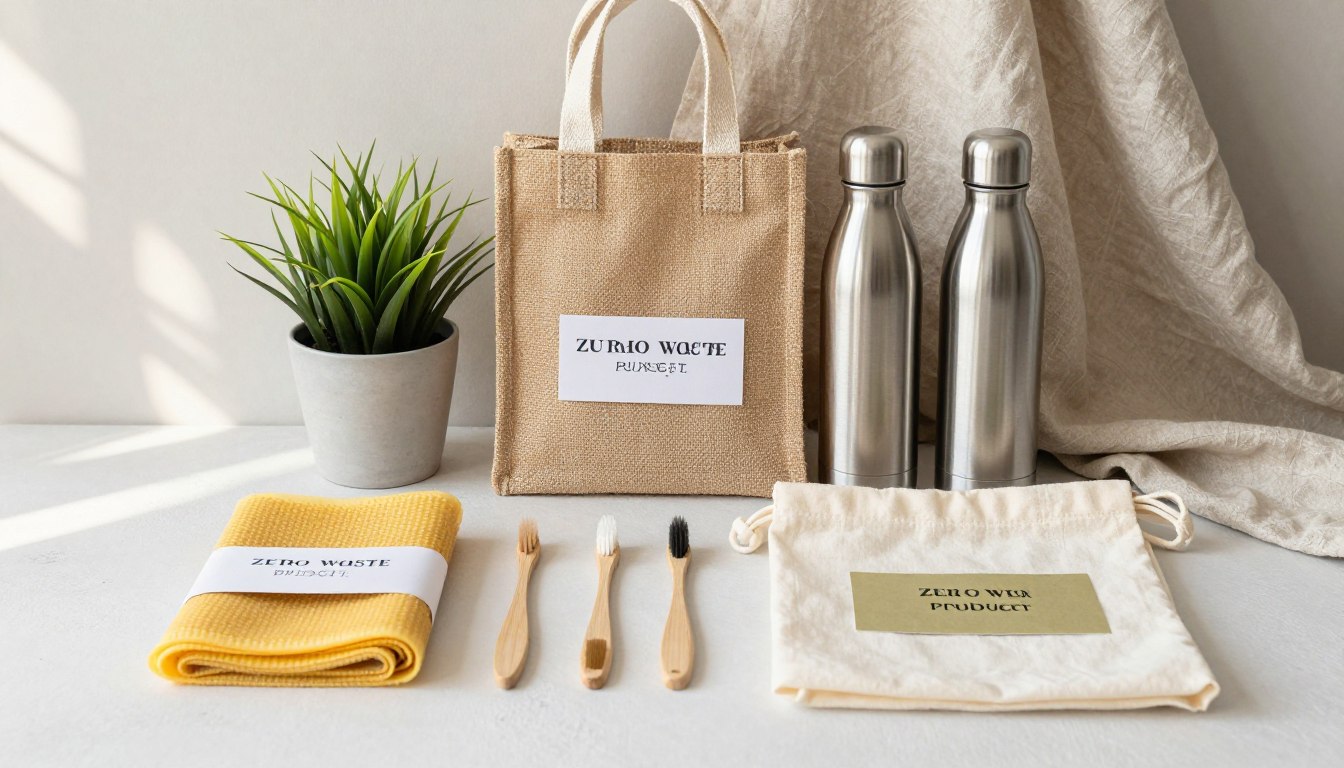
A: Great starting points include reusable grocery bags, stainless steel water bottles, bamboo toothbrushes, and DIY cleaning solutions made from vinegar and baking soda.
### Q: Why should I choose low-cost eco products over convenient disposables?
A: While disposables seem cheaper in the moment, the recurring cost adds up to thousands of dollars over time. Choosing reusables stops that “money leak” and protects the environment simultaneously.
### Q: What are the top budget-friendly zero waste products for a kitchen?
A: Beeswax wraps, silicone baking mats, and glass storage jars are excellent choices. They reduce food waste and eliminate the need for plastic wrap and parchment paper.
### Q: How can I identify value for money eco products?
A: Look at the “cost per use.” If a $20 safety razor lasts a lifetime and uses $0.10 blades, it offers much better value than a $2 disposable razor that lasts only a week.
### Q: How can I become a more budget-conscious zero waste goods shopper?
A: Always check if you can buy an item secondhand first. If buying new, choose items with minimal packaging and buy in bulk to lower the unit price of your goods.
### Q: Are there cheap sustainable alternatives for expensive laundry detergents?
A: Absolutely. Soap nuts or concentrated laundry strips are often cheaper per load than big-brand liquid detergents, saving you money and reducing waste.