
Starting environmentally conscious living doesn’t need to cost a lot. Many think sustainability is pricey, but it’s not. By going for zero waste on a budget, you can make your life simpler and save money.
According to the EPA’s waste and recycling data, small everyday changes at home add up to significant environmental impact.
The main aim is to avoid throwing trash away. This path to eco-friendly living begins with small, steady steps. By choosing green living on a budget, you can make a big difference without feeling overwhelmed. This zero waste on a budget guide is here to support you, whether you’re just beginning or looking to improve.
Key Takeaways
- Sustainability is accessible for everyone regardless of income.
- Reducing trash helps both the planet and your personal finances.
- Small, consistent habits lead to significant long-term environmental impact.
- You can save money by choosing reusable items over disposables.
- Mindful consumption is the foundation of a sustainable lifestyle.
Mastering the Mindset of Zero Waste on a Budget
Living in an environmentally conscious way is more about your mindset than what you buy. Starting a sustainable lifestyle means changing how you see your daily use of things. By following the 5 R’s—Refuse, Reduce, Reuse, Recycle, and Rot—you can start a zero waste on a budget journey that’s both easy and fulfilling.
Assessing Your Current Waste Patterns
To change your habits, first see what you throw away. Watch your trash bin for a week and note the most common items. This frugal zero waste step shows you where to make the biggest difference.
Keep a simple log of your waste to spot patterns. You might see a lot of food packaging or single-use paper. Knowing this, you can find affordable eco-friendly choices to replace them.
The Philosophy of Using What You Already Own
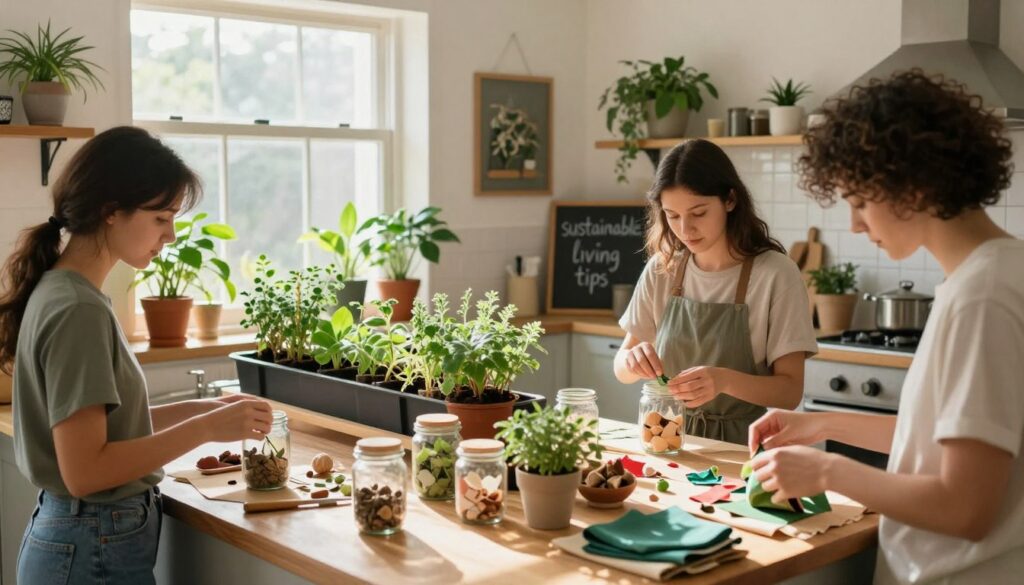
The most sustainable thing is what you already have. Don’t rush to buy new “green” items. Instead, look in your home for things that can do double duty. Creativity is your best tool for saving money and reducing waste.
- Use old glass jars for pantry storage instead of buying plastic containers.
- Turn worn-out cotton t-shirts into reusable cleaning rags.
- Repurpose cardboard boxes for drawer organizers or shipping needs.
Prioritizing Needs Over Trendy Eco-Products
Marketing makes us think we need expensive bamboo sets or fancy glass bottles to be green. But environmentally conscious living is about using less, not just buying different things. Always choose what you really need over trendy items.
Think if a new purchase is really needed or just a tempting aesthetic upgrade. Sticking to what you need keeps your budget safe and avoids clutter. True zero waste on a budget means saying no to too much, even if it’s marketed as green.
Essential Steps to Reduce Waste in Your Kitchen
Your kitchen is the heart of your home. It’s a great place to start living more sustainably. Making small changes here can have big effects. By changing how you store and manage food, you can greatly reduce waste.

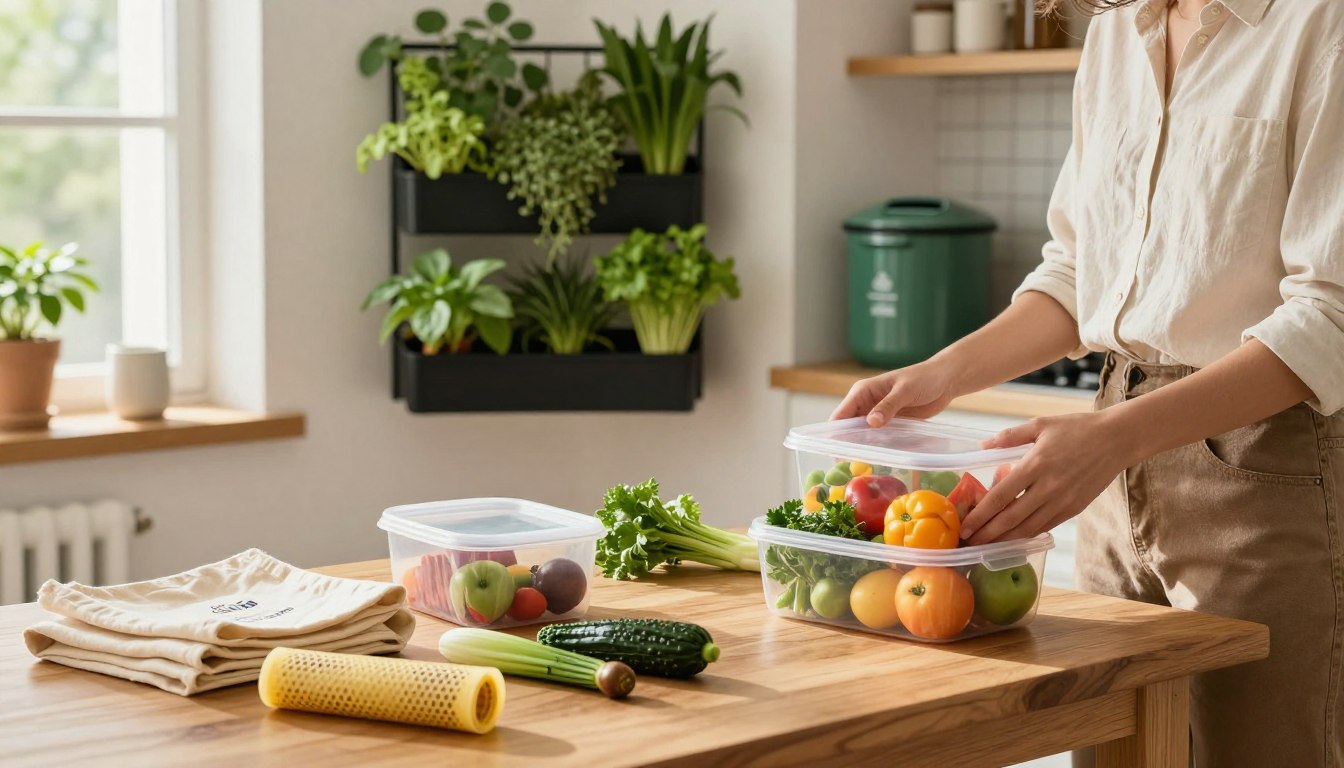
Transitioning to Reusable Food Storage Solutions
Switching from plastic wrap and disposable bags is key to living with less waste. It saves money and keeps your pantry tidy.
Utilizing Glass Jars and Containers
Glass jars are essential for a clean, eco-friendly kitchen. Use them to store grains, nuts, or leftovers. They’re durable, easy to clean, and safe for food.
Repurposing Fabric Scraps as Bowl Covers
Old cotton shirts or fabric scraps can become reusable bowl covers. Cut them into circles, add an elastic band, and you have a great alternative to plastic wrap. These hacks are useful and add charm to your kitchen.
Composting Food Scraps at Home
Composting turns kitchen waste into soil for your garden or parks. It’s a big step in reducing landfill methane.
Setting Up a Simple Countertop Bin
You don’t need a lot to start composting. A simple bin on your counter works well. It helps you keep waste out of the trash.
Managing Backyard or Community Composting
If you have space, a backyard compost pile is great. For those without space, many cities offer community composting services. These options help you manage waste effectively.
Reducing Single-Use Plastics in Meal Prep
Meal prep saves time but often uses plastic. To live green on a budget, prep in glass jars. Avoid pre-packaged snacks and portion your own food in reusable bags. These choices make a big difference over time.
Sustainable Bathroom and Personal Care Swaps
Starting environmentally conscious living is easy with daily choices at home. Your bathroom routine is full of chances to cut down on waste. Simple swaps can save money and help the planet.
Switching to Solid Bar Alternatives
Choosing solid bars is a top low waste tip for any budget. It means no more bulky plastic bottles that harm our environment.
Shampoo and conditioner bars last longer because they’re more concentrated. They’re also easy to carry and come in recyclable packaging.
Choosing Plastic-Free Soap Options
Going for cold-process soap bars is a smart move. It avoids harmful chemicals and plastic. Choose brands with organic ingredients and eco-friendly packaging for a sustainable routine.
DIY Personal Care Solutions
Creating your own products is a fun way to live environmentally conscious. These affordable eco-friendly choices let you control what you use on your skin and save money.
Making Your Own Natural Deodorant
Making natural deodorant is easy with coconut oil, baking soda, and arrowroot powder. It keeps you fresh without aerosol cans or plastic.
Creating Simple Toothpaste Alternatives
Coconut oil and baking soda make a great toothpaste. It’s cheap and avoids non-recyclable tubes in regular toothpaste.
Extending the Life of Your Toiletries
There are zero waste hacks to make your toiletries last longer. Using a bamboo toothbrush is a good start, as it’s compostable.
Store your solid bars on a draining soap dish to prevent melting. Proper care means fewer purchases and less waste.
Smart Shopping Habits for a Minimal Waste Lifestyle
Smart shopping habits can change your life if you’re into green living on a budget. By choosing what you really need, you can live with less waste every day. These small steps save you money and help the planet.
Mastering Bulk Bin Shopping
Bulk aisles are perfect for those who want to save money and waste less. Buying only what you need cuts down on packaging and food waste. This way, you can try new things without buying too much.
Bringing Your Own Containers and Bags
Always have reusable bags and jars ready. Before filling them, weigh them at the desk to pay only for what’s inside. This makes shopping cheaper and more efficient.
Tips for Finding Affordable Bulk Staples
Look for items like rice, beans, oats, and lentils in bulk. They’re often cheaper than packaged versions. Check the unit price to get the best deal.
Supporting Local Farmers Markets and Thrift Stores
Shopping at local farmers markets means fresher food and less plastic. It also helps your local economy. Thrift stores offer great deals on kitchenware and storage without waste.
“The greatest threat to our planet is the belief that someone else will save it.”
Buying second-hand reduces waste and supports sustainable living. It’s a smart, budget-friendly choice that fits your values.
Avoiding Impulse Purchases and Over-Packaging
Impulse buys hurt your wallet and the planet. Stick to your shopping list to avoid unnecessary purchases. Choose products with less plastic or find brands with sustainable packaging.
| Shopping Method | Waste Level | Cost Impact |
|---|---|---|
| Bulk Bins | Very Low | High Savings |
| Farmers Market | Low | Moderate Savings |
| Standard Supermarket | High | Low Savings |
By following these low waste tips, you can change how you shop. Stay committed, and you’ll find living sustainably is both fulfilling and budget-friendly.
Conclusion
Your journey to a zero waste lifestyle starts with daily choices. You can change your habits and keep your money safe.
Living sustainably doesn’t need to be expensive. It’s about changing how you use resources and waste.
Being frugal and zero waste can save you money and help the planet. It makes life simpler and more meaningful.
Every choice you make helps the environment. It ensures natural resources are there for others in the future.
Start with one change this week. Tell your friends or family about it. Your efforts will make a big difference for our planet.