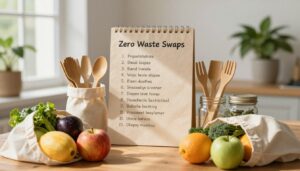
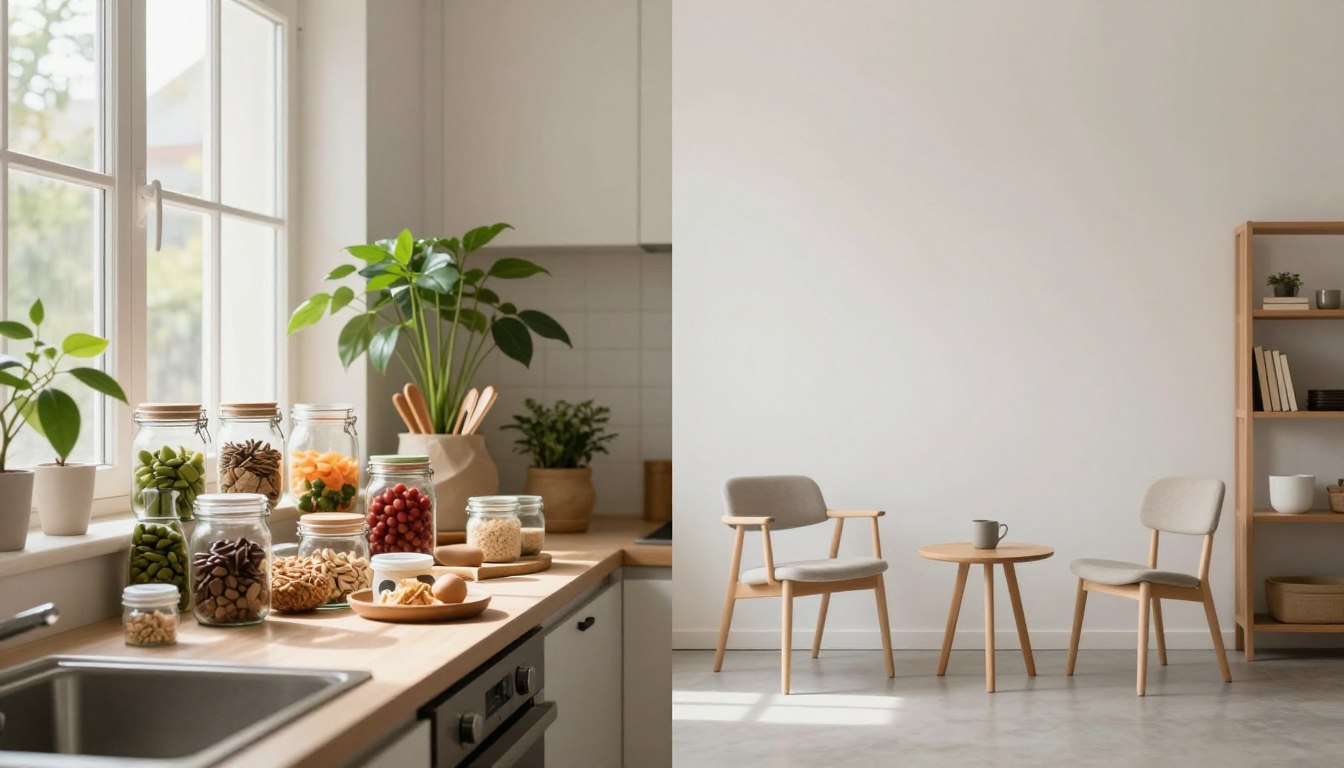

Do you feel overwhelmed by all the stuff in your home and life? Many of us spend our days managing things instead of living. It is a heavy burden to carry, but you don’t have to face it alone.
This guide explores zero waste vs minimalism with practical, budget-friendly steps you can start today.
Choosing a path toward intentional living can bring peace. Whether you want to help the planet or just have more space, knowing zero waste vs minimalism is key. It’s the first step to taking back your time.
These two philosophies offer different paths to a simpler life. By looking at their core values, you can pick the one that fits your goals. Let’s see how these habits can lead to a healthier, more sustainable future.
Key Takeaways
- Minimalism is about removing excess to focus on what’s important to you.
- A low-impact lifestyle aims to cut down on landfill trash.
- Both encourage buying with thought and mindful spending.
- You can mix elements of both to create a lifestyle that’s yours.
- Small, steady changes are key to success in your sustainability journey.
Understanding Zero Waste: Principles and Practices
Zero waste is more than a trend; it’s a conscious commitment to change how we consume. By changing how we make, use, and throw away things, we can greatly reduce our impact on Earth. This lifestyle moves away from the “take-make-waste” model to a circular one that values resources.
The Core Philosophy of Zero Waste
The heart of this movement is the 5 Rs. These steps guide anyone wanting to live eco-friendly and sustainably.
- Refuse: Say no to items you don’t need, like single-use plastics or freebies.
- Reduce: Cut down on stuff you bring home to avoid clutter.
- Reuse: Find new uses for items instead of throwing them away after one use.
- Recycle: Turn materials that can’t be reused or avoided into something new.
- Rot: Compost organic waste to give nutrients back to the earth.
Key Practices to Implement
Starting sustainable practices is easy with small changes at home. Composting food scraps and yard waste is key. It stops food from rotting in landfills, which cuts down methane emissions.
Also, reduce waste by picking products with little packaging. Try bulk shopping or using durable, reusable containers. These habits help you avoid the constant cycle of disposal in today’s world.
Benefits of Adopting Zero Waste
Adopting this lifestyle has big benefits for the environment and your life. It saves natural resources and keeps ecosystems clean. It also makes you feel more personally responsible for what you use.
By living eco-friendly, you help create a better future for all. Through waste reduction, you show that small actions can make big changes. Embracing these sustainable practices lets you live in line with your values and reduce your environmental impact.
Exploring Minimalism: A Lifestyle Choice
Living a minimalist lifestyle isn’t about having nothing. It’s about finding freedom in what you do have. Many think it’s about giving up things, but it’s really about choosing quality over quantity. By getting rid of the extra, you make room for what truly makes you happy.
The Essence of Minimalism
At its heart, minimalism is about being intentional. With fewer items, you spend less time cleaning and organizing. This means you can focus more on your goals and relationships, not just stuff.
“Simplicity is the ultimate sophistication.”
This way of thinking also leads to being more sustainable. By using less, you help the planet and avoid the need for constant new things. Here’s how changing your mindset can change your space.
| Feature | Cluttered Space | Minimalist Space |
|---|---|---|
| Decision Making | High fatigue | Clear focus |
| Maintenance | Time-consuming | Effortless |
| Mental State | Anxious | Calm |
How to Begin Your Minimalism Journey
You don’t have to change everything at once. Start small, like with one drawer or shelf. Pick an area that bothers you every day.
Ask yourself if each item has a purpose or makes you happy. If not, think about giving it away. Taking small steps helps you build confidence to tackle more areas. This way, you can simplify your life for good.
Comparing the Goals of Zero Waste and Minimalism
Choosing between zero waste vs minimalism depends on what you value most. Both paths aim for a simpler life but for different reasons. Knowing these differences helps you match your habits with your goals.
Environmental Impact vs. Personal Fulfillment
A zero waste lifestyle aims to lessen your environmental impact by avoiding landfills. You choose products that can be composted, recycled, or reused forever. This choice is all about caring for the planet.
Minimalism, on the other hand, seeks personal fulfillment and mental clarity. By clearing out clutter, you make room for meaningful experiences and relationships. Though it might reduce your environmental footprint, the main goal is your own happiness and peace.
How Goals Shape Your Approach
Your goals shape your daily choices. If you focus on environmental impact, you might spend more time on product research. You look for items with minimal packaging to protect the environment.
For minimalism, you think about an item’s usefulness and joy. You ask if it adds value to your life. Understanding zero waste vs minimalism helps you align your habits with your current goals.
The Role of Consumption in Each Lifestyle
Choosing how you buy goods shapes your path to a more mindful life. Both paths tell you to buy less, but they see shopping differently. Knowing these differences helps you pick the right path for your goals.
Consumption in Zero Waste Living
In zero-waste living, your main goal is to avoid trash before it gets to your home. You look closely at every item’s life cycle. You choose items that are durable, reusable, or compostable instead of those that end up in landfills.
This mindset means you might not shop for convenience as much. You might pick bulk bins over packaged goods or buy glass containers that last for years. Every purchase is filtered through the question: “Can this be recycled or composted at the end of its life?”
“The greatest threat to our planet is the belief that someone else will save it.” — Robert Swan
Consumption in Minimalism
In a minimalist lifestyle, you focus on an item’s value to your daily life, not just its material. You aim for conscious consumption, buying only what you really need.
This way, you buy less because you’re not chasing trends or filling empty space. You might prefer one high-quality kitchen tool that does three jobs over three cheap tools that clutter your drawers. This keeps your space clear and peaceful.
- Quality over quantity: Invest in items that last.
- Mindful acquisition: Wait before buying to make sure you need it.
- Value-based living: Keep only what brings joy or has a clear purpose.
Both paths lead to a more intentional life. Whether you’re driven by environmental concerns or a desire for a minimalist lifestyle, conscious consumption helps you control your habits and home.
Challenges Faced in Zero Waste and Minimalism
Starting a journey to live more intentionally can be tough. The goals of using less or making no waste are great, but the journey is not easy. Knowing the challenges ahead helps you find effective strategies to keep going.
Common Obstacles in Zero Waste Living
Finding products without plastic packaging can be hard, even in regular stores. This makes waste reduction seem like a big challenge at first. You might feel overwhelmed by all the single-use plastic around us.
Also, social pressure can affect your success. Friends or family might not get why you choose sustainable practices. Learning to stay true to yourself while being kind is key.
Minimalism Challenges: What to Expect
Minimalism can be emotionally tough, like when you let go of sentimental items. You might feel guilt or loss. But remember, your memories are inside you, not in the things you own.
Another challenge is feeling left out when you stop buying things all the time. You might think you’re missing out on trends or social norms. But focusing on long-term fulfillment helps you stick to sustainable practices. With time, your efforts will lead to a more peaceful life.
The Financial Aspects: Cost Implications
Getting financially free and caring for the environment can go together. Many think changing their ways will cost too much. But, making smart choices can save money and help the planet.
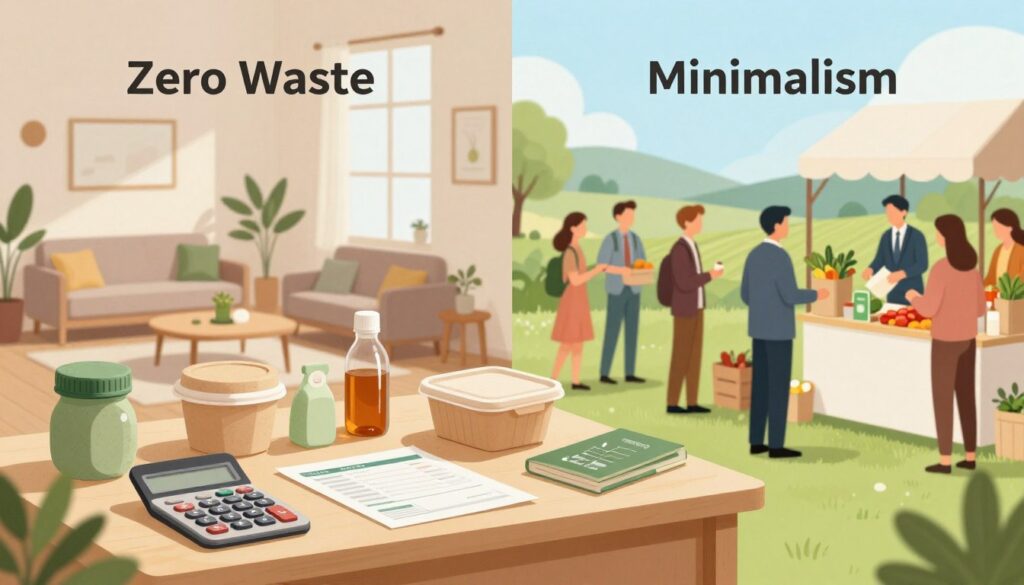
Cost-Saving Through Minimalism
Minimalism means buying less. By not chasing every trend, you spend less. You save by avoiding impulse buys and having fewer things.
Here are some ways minimalism can save you money:
- Less spent on clothes and decor you don’t need.
- Smaller spaces mean lower upkeep costs.
- Less waste means less money thrown away.
“The best things in life aren’t things.”
Investing in Quality for Zero Waste
Zero waste living means buying durable, reusable items. While they cost more at first, they save money in the long run. You avoid buying things you’ll throw away, which is good for the planet.
This approach means spending less over time. Savings from not buying paper towels and plastic bags add up.
| Lifestyle | Primary Financial Strategy | Long-Term Benefit |
|---|---|---|
| Minimalism | Buying less | Increased savings |
| Zero Waste | Investing in quality | Reduced recurring costs |
| Combined | Mindful consumption | Financial and ecological health |
Both paths lead to being more mindful of your environmental impact. Whether you own fewer items or choose better ones, your wallet will benefit.
Community and Connection: Finding Support
Building a network of like-minded individuals can change how you view conscious consumption. You don’t have to face the challenges of sustainable living alone. Shared experiences offer the best advice.
Connecting with others keeps you motivated as you learn to simplify your life. Whether you need practical advice or emotional support, a supportive group is key.
Finding Zero Waste Communities
Start by looking for local zero waste groups. Many cities have meetups where people share tips on composting and reducing plastic.
Also, explore tool-sharing libraries in circular economies. These libraries help you connect with others and access items without buying new.
Online forums and social media groups are full of knowledge for conscious consumption. You can ask questions, share successes, and solve problems with people worldwide.
Minimalism Communities and Resources
Minimalism communities focus on the mental and emotional benefits of owning less. Online platforms, blogs, and podcasts offer inspiration for intentional living.
Local minimalist meetups help you discuss decluttering and simple living. These groups keep your goals in mind, supporting your conscious consumption journey.
The table below shows how different resources can help you achieve your lifestyle goals:
| Resource Type | Primary Benefit | Best For |
|---|---|---|
| Local Swap Meets | Waste Reduction | Zero Waste Beginners |
| Online Forums | Knowledge Sharing | Troubleshooting Issues |
| Tool Libraries | Circular Economy | Resource Efficiency |
| Minimalist Meetups | Emotional Support | Long-term Motivation |
By joining these networks, you make your journey toward conscious consumption more sustainable and fulfilling. Sharing the joys of a simpler life keeps you inspired.
Tools and Resources for Your Journey
Starting a journey to intentional living needs more than just willpower. It requires the right tools. With specific resources, making the switch to a more conscious lifestyle is easier and more effective. These tools help turn your goals into long-term habits.
Technology and literature are key for beginners and those looking to improve. Digital apps help track your progress. AI-powered audits can spot areas for better eco-friendly living habits. These tools make your daily routine easier.
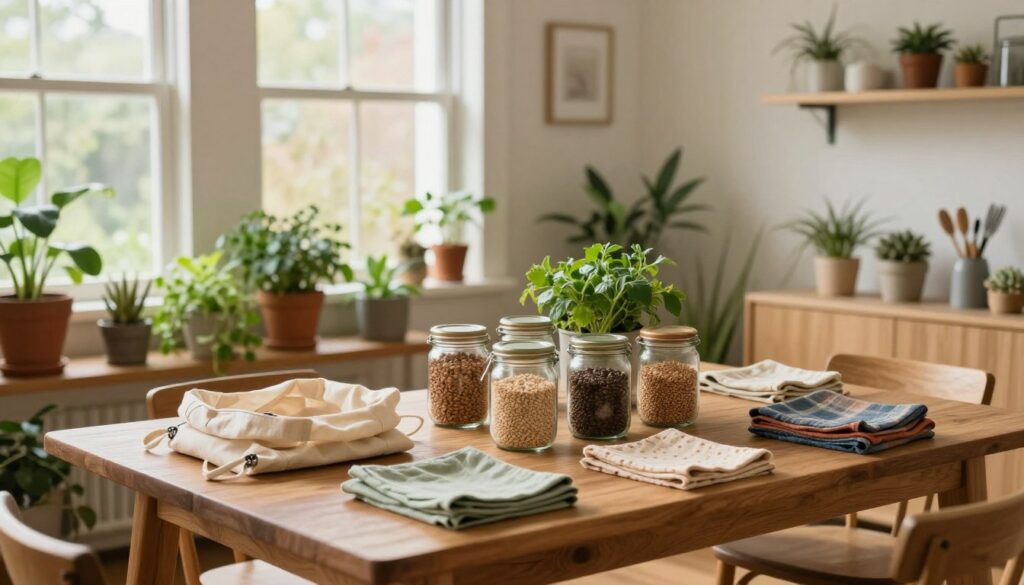
Books and Podcasts on Zero Waste
Learning is key to a successful shift to sustainable practices. Books by experts explain the impact of your choices. They offer practical steps to understand complex environmental issues.
Podcasts are great for staying motivated while moving. They share stories and solutions from low-waste living advocates. These stories make the journey attainable and rewarding.
Minimalism Resources to Consider
Minimalism aims to declutter your space and mind. Digital platforms and apps help you manage your belongings. They keep you focused on what you bring into your home.
Online communities offer challenges to rethink your relationship with stuff. These sustainable practices help build a life that values experiences over possessions. Regular use of these resources keeps you on track for meaningful living.
| Resource Type | Primary Benefit | Best For |
|---|---|---|
| Educational Books | Deep Knowledge | Understanding Philosophy |
| Audio Podcasts | Daily Motivation | Learning on the Go |
| Digital Apps | Progress Tracking | Habit Formation |
| AI Audits | Data Insights | Optimizing Consumption |
Making Your Choice: Which Lifestyle is Right for You?
Choosing between minimalism and sustainability means looking at your daily habits. Your personal values might lean more towards one or a mix of both. This choice is key to your long-term commitment to a greener planet.
Self-Reflection Questions to Consider
Think about what motivates you to change. Is it the clutter or the trash? Decide if you want mental clarity or to reduce your environmental impact.
Consider how much time you can spend on these changes. Some people love composting and bulk shopping. Others prefer a simpler life by getting rid of unnecessary items.
How to Integrate Elements from Both Lifestyles
You can create a lifestyle that’s just right for you. Start by buying food intentionally, like a minimalist. This helps your sustainability goals and keeps your pantry tidy.
Choose durable items to replace disposable ones. This honors minimalism’s focus on quality over quantity. You’ll find a balanced life that’s both manageable and meaningful. Start your conscious lifestyle journey with these small steps today.