
Learning about benefits of zero waste lifestyle is one of the best things you can do for your wallet and the planet — and it starts right here. Ever looked at your trash bin and wished for change? You’re not alone in wanting a more sustainable life. In 2026, living sustainably is becoming a real option for all of us.
This guide explores benefits of zero waste lifestyle with practical, budget-friendly steps you can start today.
According to the EPA’s waste and recycling data, small everyday changes at home add up to significant environmental impact.
New laws and tools like AI audits make it simple to manage your home. By embracing these earth-friendly lifestyle perks, you can make your life easier and help the planet. Seeing the positive impact of your actions is the first step to lasting change.
By focusing on waste reduction benefits, you do more than clean your home. You find a sense of purpose that matches your values. Exploring these zero waste lifestyle benefits helps you build a better, more fulfilling life.
Key Takeaways
- Modern technology like AI audits simplifies personal sustainability efforts.
- New 2026 regulations support individual transitions to greener habits.
- Reducing household clutter fosters a more intentional and peaceful mindset.
- Small, consistent changes lead to significant long-term environmental impacts.
- Adopting these practices helps you align your daily routine with core values.
What is a Zero Waste Lifestyle?
Living a zero waste lifestyle means changing how you view everyday items. It’s about living sustainably and mindfully. By focusing on zero waste lifestyle benefits, you can reduce your impact on the planet and simplify your life.
Definition and Principles
This movement is based on the 5 Rs. These principles help you cut down on waste:
- Refuse: Don’t accept things you don’t need, like single-use plastics.
- Reduce: Only keep what’s truly important and avoid buying too much.
- Reuse: Choose items that last longer instead of disposable ones.
- Recycle: Recycle when you can’t refuse, reduce, or reuse something.
- Rot: Compost food waste to enrich the soil.
Learning these steps shows that waste is often a design issue. By following these principles, you start to see the environmental impact advantages that go beyond your home.
The Philosophy Behind Zero Waste
The zero waste philosophy is about a circular economy. It’s different from the traditional “take-make-waste” model. A circular economy works like nature, where nothing is wasted.
By adopting this philosophy, you move away from constant consumption. This change brings many earth-friendly lifestyle perks, like less clutter and a stronger bond with your belongings. Here’s a comparison of linear and circular economies.
| Feature | Linear Economy | Circular Economy |
|---|---|---|
| Resource Use | Extraction-heavy | Regenerative |
| Product Life | Short-term/Disposable | Durable/Repairable |
| Waste Output | High landfill impact | Minimal to zero |
| Primary Goal | Convenience | Sustainability |
Environmental Benefits of Going Zero Waste
Choosing to reduce waste brings big environmental impact advantages. It helps fix our natural world. By changing how we live, we join a global effort to protect our planet. These zero waste lifestyle benefits are real and make a big difference in how we live with the world.
Reducing Landfill Contributions
Landfills are huge polluters, mainly because of methane gas. This gas is much worse than carbon dioxide. By composting food waste at home or through local services, you stop this pollution.
Not throwing away organic waste cuts down your carbon footprint. It means nutrients go back into the soil instead of causing climate change. Here are key ways to cut down on landfill waste:
- Start a backyard compost bin for vegetable peels and yard trimmings.
- Use a worm farm if you live in a small apartment or urban space.
- Participate in municipal organic waste collection programs if available in your city.
Decreasing Pollution Levels
Single-use items need a lot of energy and can pollute our air and water. By saying no to disposable plastics and packaging, you help reduce pollution. This is a big win for local communities.
Choosing reusable items stops plastic from getting into our oceans and harming animals. Every item you refuse means less trash in our waterways. This helps protect our wildlife and keeps our environment clean for the future.
Conservation of Resources
Getting raw materials like wood, minerals, and fossil fuels harms our ecosystems. By fixing, reusing, and buying second-hand, you need less new stuff. This saves natural resources that are being used up too fast.
By saving these resources, forests stay green and our water stays clean. Valuing what you already have helps our planet. Your commitment to being green protects our environment for the future.
Financial Advantages of a Zero Waste Lifestyle
Shifting to a zero waste lifestyle can actually save you money. Many think eco-friendly habits cost more, but they often lead to savings on bills.
Changing how you shop and what you use can save you money. This change helps make your budget stronger over time.
Saving Money on Household Expenses
Buying in bulk is a great way to save. Purchasing items like grains, beans, or cleaning supplies in large amounts saves you money. This is because you avoid the extra cost of individual packaging.
Using reusable containers also saves money. You won’t need to keep buying plastic bags, paper towels, and cling film. These small costs add up fast, and cutting them out can help your wallet.
Minimizing Wasteful Purchases
Living zero waste means valuing quality over quantity. By not buying cheap, single-use items, you use less and help the environment.
This mindset makes you think more about your spending. You’ll buy things that last, avoiding the need to replace them often.
The Cost of Sustainable Products
Some eco-friendly products cost more upfront. But they’re made to last, making them a smarter financial investment in the long run.
The positive effects of zero waste living are clear when you compare costs. For example, a stainless steel water bottle is cheaper than buying plastic ones. Choosing durable items saves money and helps the planet.
Health Benefits of Living Zero Waste
Living zero waste is good for the planet and for your health. Many people focus on the planet, but the sustainable living advantages for your body are just as important. By making changes, you make your home safer for you and your family.
Reducing Exposure to Toxins
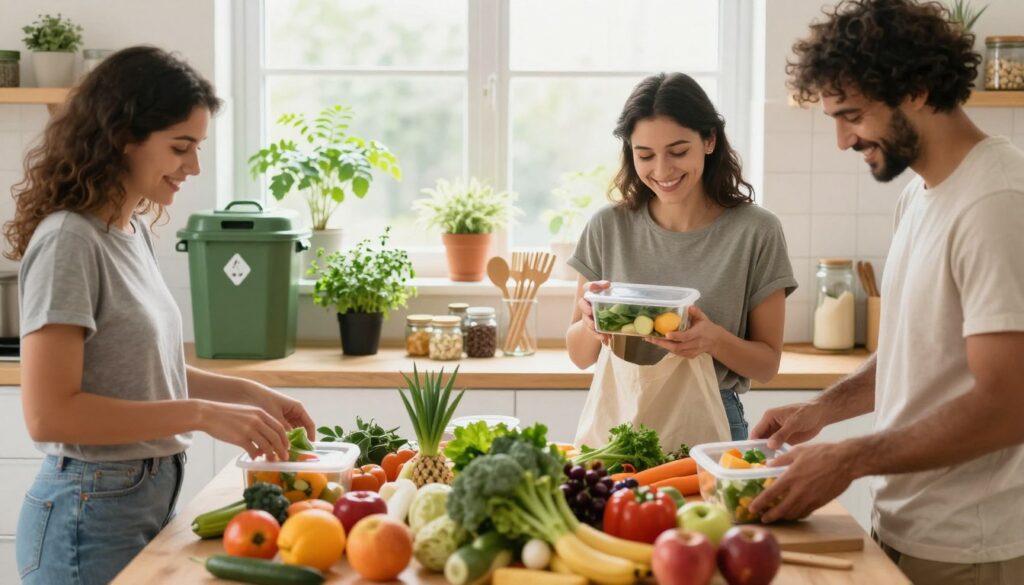
One big plus of this lifestyle is less synthetic chemicals at home. Plastic containers can have BPA or phthalates, which can get into your food and water. Switching to glass, ceramic, or stainless steel gets rid of these risks.
Not using single-use plastics means less contact with harmful substances. This simple change is key to green living benefits. It makes your kitchen cleaner and safer. You’ll feel good knowing your storage is safe and lasts long.
Encouraging Healthier Food Choices
Living zero waste means you shop the outer aisles of the grocery store. You’ll pick fresh fruits, grains, and items without packaging. This is a big positive effect of zero waste living for your health.
By not buying pre-packaged snacks, you cut down on bad stuff like artificial preservatives and sugars. You eat more whole, healthy foods that boost your energy. This change helps your health and the planet at the same time.
| Feature | Conventional Habits | Zero Waste Habits |
|---|---|---|
| Food Storage | Plastic containers (BPA risk) | Glass or stainless steel |
| Dietary Focus | Processed, packaged goods | Fresh, whole, bulk foods |
| Chemical Exposure | High (via packaging) | Low (minimal packaging) |
| Health Impact | Potential toxin buildup | Improved nutrient intake |
Practical Tips for Starting Your Zero Waste Journey
Starting your zero waste journey begins with understanding your current habits. You don’t need to change everything at once. Instead, make small, consistent changes that fit your lifestyle.
Assessing Your Current Waste Production
Begin by doing a trash audit. Observe what you throw away most, like food packaging or plastic bottles. Identifying these patterns helps you know where to make the biggest impact.
Setting Achievable Goals
After identifying your waste sources, set small, realistic goals. Start by using reusable bags or a refillable water bottle. These small changes show the green living benefits without feeling overwhelmed.
Finding Local Resources
Many communities support those wanting to reduce their footprint. Look for local bulk stores, farmers’ markets, or composting programs. Connecting with like-minded people can keep you motivated.
| Common Waste Item | Sustainable Alternative | Primary Benefit |
|---|---|---|
| Plastic Water Bottles | Stainless Steel Bottle | Reduces landfill waste |
| Paper Napkins | Cloth Napkins | Saves natural resources |
| Plastic Grocery Bags | Canvas Tote Bags | Decreases plastic pollution |
| Disposable Razors | Safety Razor | Long-term cost savings |
By following these steps, you’ll find sustainable living advantages are within reach. Embracing these green living benefits will enhance your daily life and help the planet.
The Impact of Zero Waste on Your Community
Living sustainably has a big impact on your community. When you change your habits, you inspire others to do the same. This creates a culture of care and shared goals.
Building Community Connections
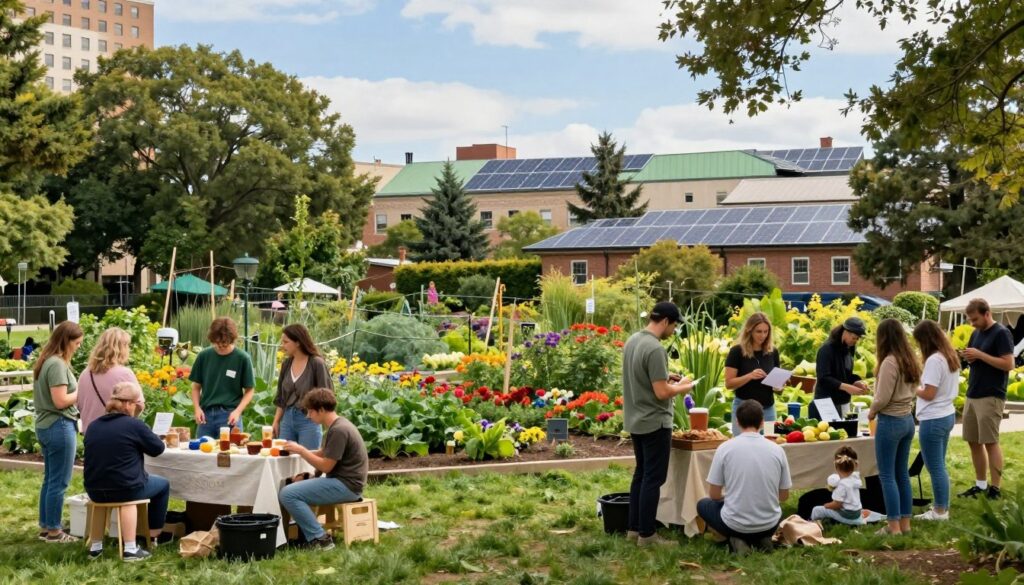
Adopting sustainable living brings people together. You might join local tool libraries or swap meets. These are great for sharing and reducing waste, and they help build strong bonds.
“The strength of a community is measured by how we share our resources and support one another in times of need.”
Being part of these efforts makes your community stronger. It shows that caring for the planet is about helping each other too.
Supporting Local Businesses
Shopping at local markets or bulk stores cuts down on carbon emissions. It keeps money in the neighborhood and helps small businesses grow. This is a big part of living green.
Here are some ways to shop better:
- Prioritize bulk buying to cut down on plastic.
- Choose local artisans who make sustainable products.
- Participate in local circular initiatives to extend the life of items.
Your choice to buy locally is a powerful change. It helps your community value quality and sustainability. This makes your neighborhood a better place for all.
Zero Waste and Minimalism: A Perfect Pair
Minimalism and zero waste share a common goal. They both focus on intentional living and reducing waste. By combining these, you can make your home peaceful and eco-friendly.
Understanding Minimalist Principles
Minimalism is about valuing what truly matters in your life. It teaches you to enjoy experiences and quality over quantity. This way, you find happiness beyond material possessions.
Adopting minimalism means rethinking your belongings. Ask if each item has a real purpose or just takes up space. This leads to a life where every item adds value or brings joy.
How Decluttering Supports Zero Waste
Decluttering is a practical part of minimalism that helps reduce waste. It makes you think about your buying habits. This awareness helps you avoid buying unnecessary things.
Keeping a tidy home supports your green goals in several ways:
- Mindful Purchasing: You think twice before buying, cutting down on packaging and waste.
- Resource Management: With fewer items, you spend less time cleaning and organizing.
- Waste Prevention: You choose durable items over disposable ones, reducing waste.
Together, these lifestyles help you live more simply. Owning less means less trash. This shows that conscious consumer benefits are more than just saving money. They help create a home that reflects your values and protects the planet.
Overcoming Challenges to Embrace Zero Waste
Living sustainably has many rewards, but it comes with challenges. Changing your habits to reduce waste is not simple. It takes patience and strategy. Knowing the eco-friendly practices benefits helps keep you motivated when it gets tough.
Identifying Common Roadblocks
One big challenge is social norms. Many places, like offices or family events, don’t support waste reduction. You might feel out of place when you say no to single-use plastics or use your own containers.
Another hurdle is the idea that disposable items save time. Our society is built around convenience. Seeing the conscious consumer benefits early helps you understand the effort is worth it for the planet.
Strategies for Staying Committed
Keep track of your progress with a journal or app. Celebrating small wins, like a week without packaged snacks, boosts your motivation. Remember, it’s the journey, not perfection.
If you slip up, don’t get discouraged. See it as a chance to learn and improve. Focusing on what you’ve already done helps you get back on track.
Lastly, find support online or in local groups. Connecting with like-minded people offers encouragement and advice. Having a community makes the journey more enjoyable and sustainable for you.
Zero Waste in Different Aspects of Life
Small changes in your daily habits can lead to big waste reduction benefits over time. Focus on specific areas of your home to create a sustainable space. You don’t need to change everything at once.
Home and Kitchen Solutions
The kitchen is a big source of trash, but it’s easy to start here. Replace single-use plastics with durable, reusable items that last long. Making these simple swaps keeps your kitchen tidy and reduces waste.
- Use beeswax wraps instead of plastic cling film to cover leftovers.
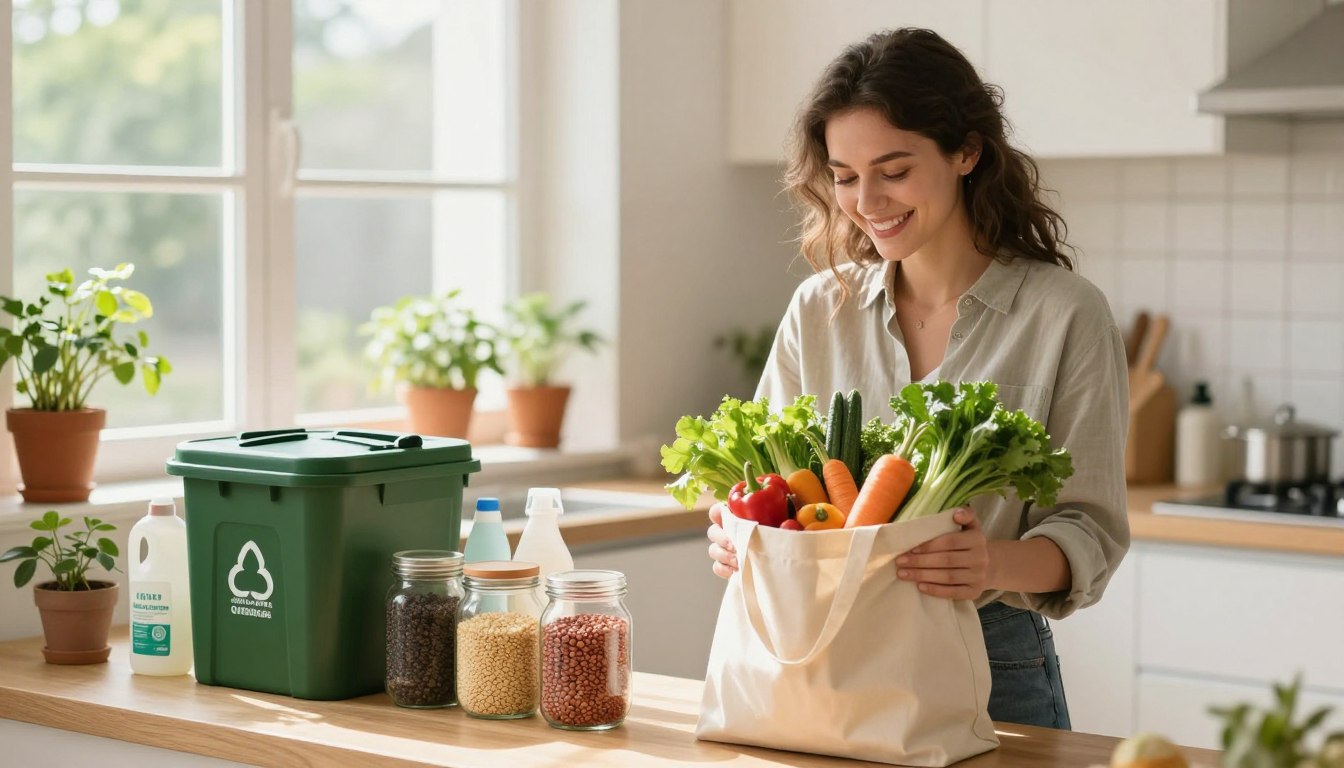
- Store dry goods like grains and pasta in glass jars to avoid plastic bags.
- Switch to silicone baking mats to eliminate the need for parchment paper.
Personal Care Products
Your bathroom routine is a chance to enjoy conscious consumer benefits by choosing better products. Many items come in plastic bottles that end up in landfills. Switch to sustainable options that are good for your skin and the planet.
Try solid shampoo bars or refillable soap dispensers to cut down on plastic. Bamboo toothbrushes and compostable dental floss are great alternatives. These small changes make a big difference in your daily waste.
Sustainable Fashion Choices
Building a sustainable wardrobe means focusing on quality over fast-fashion trends. Buying fewer, better-made items reduces textile waste. Taking care of your clothes through proper washing and repairs makes them last longer.
Shopping at thrift stores or participating in clothing swaps is also sustainable. These habits save you money and prevent waste. The best item is often the one you already own.
Inspiring Stories from the Zero Waste Movement
Real change comes from people sharing their journey to a cleaner planet. Bea Johnson is a great example. She made the zero waste lifestyle popular with her simple habits. Her story shows that reducing waste changes your daily life in big ways.
Real-World Success Stories
Many leaders now show us how to choose reusable over disposable. Package Free Shop gives you the tools to begin your change. These pioneers show that small changes in shopping can make a big difference in your community. Seeing others succeed gives you the courage to try a plastic-free life.
Lessons for Your Future
The movement teaches us that it’s okay to make progress, not perfection. Focus on making small changes every day. Each choice you make helps move us toward a circular economy. Your actions are crucial in building a sustainable world. Start today and see how your choices impact our planet’s future.