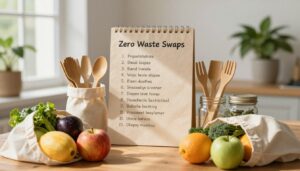

Starting a sustainable lifestyle might seem tough at first. But, you’re not alone. Learning how to go zero waste for beginners is about making steady progress, not perfection. Every small change you make helps a lot.
According to the EPA’s waste and recycling data, small everyday changes at home add up to significant environmental impact.
You don’t have to change everything at once. Start with manageable, friendly steps today. These zero waste tips will help you make a difference. Let’s see how you can make a big impact, one choice at a time.
Key Takeaways
- Focus on consistent progress rather than seeking immediate perfection.
- Small daily adjustments lead to significant environmental benefits over time.
- Avoid burnout by starting with simple, manageable lifestyle changes.
- Your individual actions play a vital role in global sustainability efforts.
- Embrace a mindset of intentional living to reduce your personal footprint.
Understanding the Zero Waste Philosophy
Embracing a zero waste philosophy is more than a trend. It’s a meaningful shift in how we interact with the world. It aims to redesign life cycles of resources so all products are reused. The goal is to send no trash to landfills, incinerators, or oceans.
By reducing waste, you fight against the throwaway culture. This mindset sees every item as a valuable resource, not something to be thrown away after use.
Defining Your Sustainability Goals
Starting a journey toward sustainable living is unique for everyone. It depends on your resources, budget, and daily schedule. It’s key to set goals that feel reachable, not too hard.
Begin by focusing on one area of your life where you can make a big change. It could be your kitchen habits or shopping routine. Small steps lead to a lasting eco-friendly lifestyle. Remember, it’s better to make progress than to aim for perfection.
The Impact of Waste on Environmental Conservation
Every piece of trash you avoid sending to a landfill helps the environment. It reduces the need for new resources, protecting natural habitats. This effort saves water, energy, and raw materials for the future.
The table below shows how simple changes can make a big difference for the planet.
| Habit Category | Traditional Approach | Zero Waste Approach |
|---|---|---|
| Grocery Shopping | Single-use plastic bags | Reusable cloth bags |
| Beverage Habits | Disposable plastic bottles | Refillable stainless steel |
| Food Storage | Plastic cling wrap | Glass jars or beeswax wraps |
| Waste Management | Sending all trash to landfill | Composting and recycling |
Step-by-Step Guide on How to Go Zero Waste for Beginners
Starting your journey to zero waste is easy and rewarding. You don’t have to change everything at once. Focus on key areas to see big changes in your trash output.
Audit Your Current Waste Habits
Before buying new items, check what you throw away. Look at your trash bin to see where your waste comes from. This helps you know where to start.
Identifying Single-Use Plastics
Look at what you throw away most often. You’ll find lots of single-use plastics like snack wrappers and water bottles. Finding these items is the first step to finding better options.
Tracking Your Weekly Trash Output
Keep a log for a week to see your household’s waste. This data helps you set goals and see your progress as your trash goes down.
Start with Simple Swaps in the Kitchen
The kitchen is a great place to start with zero waste tips. It’s where we make the most waste every day. Making small changes here can make a big difference everywhere.
Replacing Paper Towels with Cloth Rags
Paper towels waste a lot. Use reusable cloth rags or old t-shirts instead. It saves money and cuts down on paper waste.
Switching to Reusable Food Storage Containers
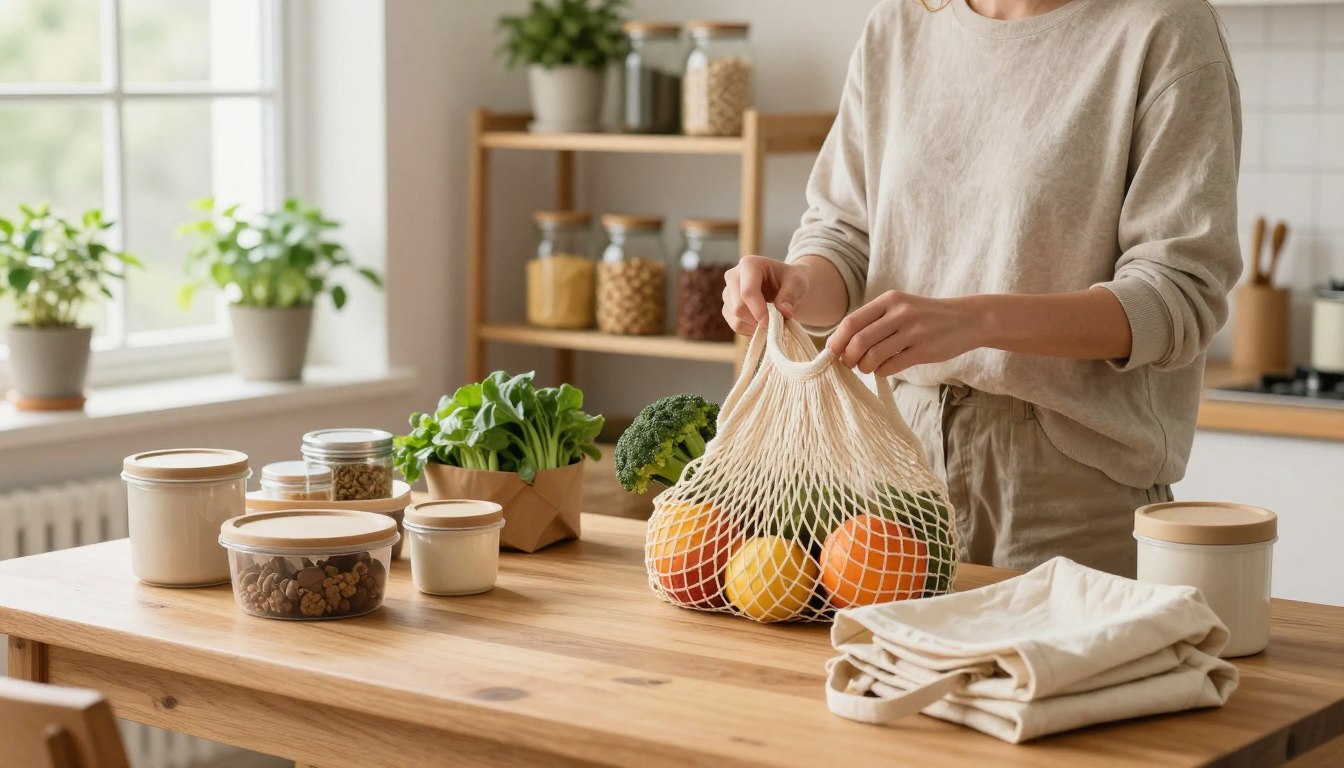
Get rid of plastic wrap and bags. Use glass jars, stainless steel containers, and silicone bags instead. They last a long time and are better for the planet.
| Disposable Item | Sustainable Alternative | Key Benefit |
|---|---|---|
| Paper Towels | Cotton Cloth Rags | Washable and durable |
| Plastic Wrap | Beeswax Wraps | Compostable and natural |
| Plastic Bags | Silicone Pouches | Leak-proof and reusable |
Transitioning Your Bathroom Routine
Make your bathroom more eco-friendly with zero waste tips. Many products come in plastic bottles that harm the environment.
Choosing Solid Shampoo and Soap Bars
Switch from liquid soaps and shampoos to solid bars. They come without plastic bottles and often have better ingredients.
Opting for Bamboo Toothbrushes
Plastic toothbrushes can’t be recycled and pollute oceans. Bamboo toothbrushes are a great alternative. Just compost the handle after removing the bristles.
Mastering Sustainable Shopping Habits
Learning to shop mindfully is key. It means moving away from the old “take-make-waste” way. This change helps you live in a way that’s good for your wallet and the planet.

Prioritizing Bulk Buying and Refill Stations
Buying in bulk is a great way to cut down on waste. When you buy things like grains and spices from bins, you avoid single-use plastics. Stores are also starting to offer refill stations for cleaners and personal care items.
Using your own containers at these stations is easy. It helps you stay organized and avoid buying too much. This way, you only get what you need, reducing waste at home.
Supporting Local Farmers Markets
Shopping at local farmers markets is good for your community and the planet. The food is often grown close by, so it travels less. You’ll find it’s often sold without plastic wrap or stickers.
Buying seasonal, local food is a sign of green living. It connects you with the farmers and teaches you about sustainable farming. Plus, the food is usually better quality and fresher than supermarket items.
Avoiding Over-Packaged Goods
Being mindful of packaging can make a big difference. Choose items in glass, metal, or paper whenever you can. These are easier to recycle or compost. Avoiding unnecessary plastic is a simple way to reduce your waste.
Buying second-hand is also a smart choice. It can save you a lot of money on clothes, furniture, and kitchen tools. It’s good for your wallet and the planet, keeping useful items out of landfills.
Managing Waste and Composting at Home
Managing your organic scraps can make your home a center for environmental conservation. Food waste in landfills decomposes without oxygen, releasing methane. Composting at home is a key step to reducing waste and making our planet healthier.
Setting Up a Basic Composting System
Starting a compost pile is easier than you think. You need a spot for “greens” like vegetable peels and coffee grounds. And a place for “browns” like dried leaves or shredded cardboard. The right mix ensures your pile breaks down well without bad smells.
Choosing Between Indoor Bins and Outdoor Piles
If you live in an apartment, consider an indoor worm bin or a bokashi bucket. These fit under sinks or in pantries. For backyard space, a traditional pile or a tumbler can handle more waste easily.
Understanding Local Recycling Guidelines
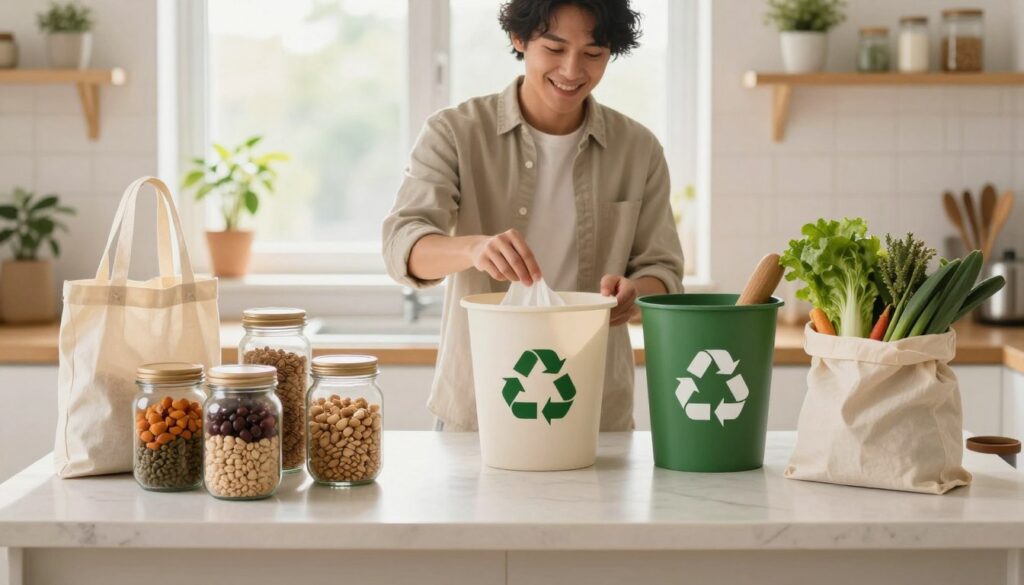
Good waste management means knowing what your local facility takes. Recycling rules change by city, so check your website. Always verify if you need to rinse containers or remove labels before recycling.
Common Mistakes in Waste Management
One big mistake is “wish-cycling,” where you hope items are recyclable. This can contaminate whole batches, sending them to the landfill. Focusing on quality over quantity helps your community’s environmental conservation efforts.
Another mistake is not cleaning food residue from jars and plastic tubs. A bit of grease can ruin a load. By reducing waste through careful sorting, your efforts really count.
Conclusion
Your journey toward sustainable living starts with small choices every day. Each choice to reduce your footprint helps make the planet healthier for all.
The global movement for green living is growing. More people are choosing to protect our environment. You are a key player in this change by making intentional choices over convenience.
Embracing minimalism helps you focus on what’s important while simplifying your life. When you see waste as a problem, managing it becomes easier. This mindset comes from caring for the environment.
Companies like Patagonia and Seventh Generation show that big brands can be responsible. But, your actions have the biggest impact. Keep working towards your goals and learn more about your effect on the planet.
Sharing your progress with friends or family can inspire others. Your commitment helps create a cleaner, more sustainable world for the future.